The Compact Land Rover that Grew up
This year the Land Rover Freelander turns 20. LRLife take a look at this premium Soft Roader
Words and Pictures – Ian M. Garner and Chery
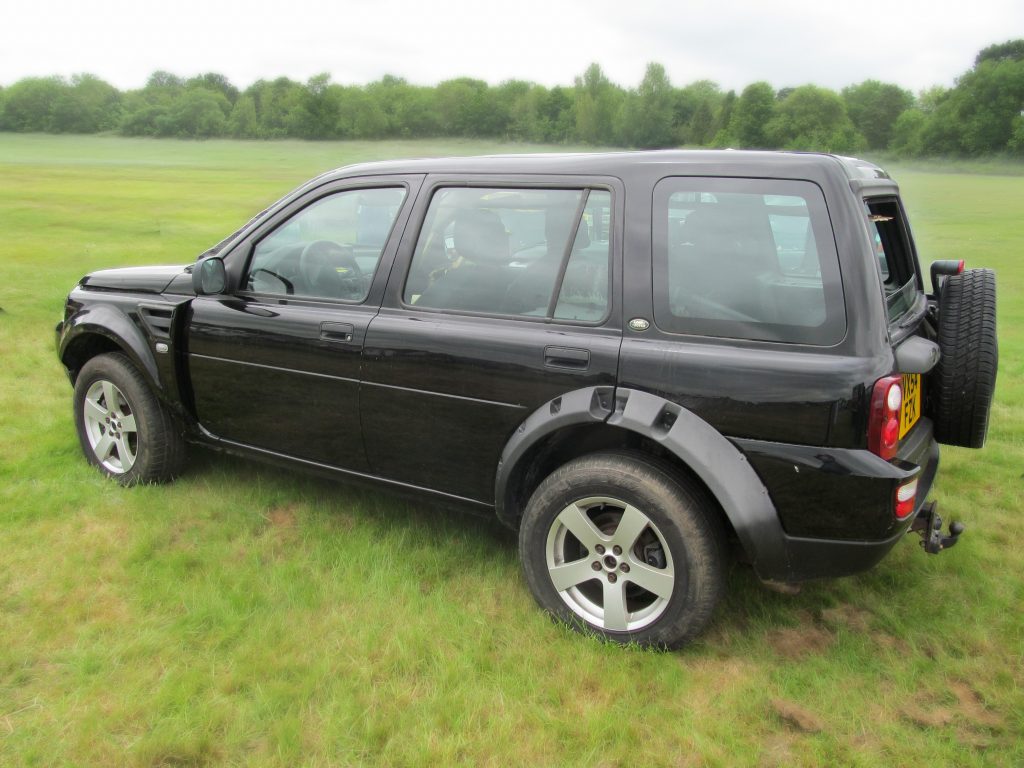
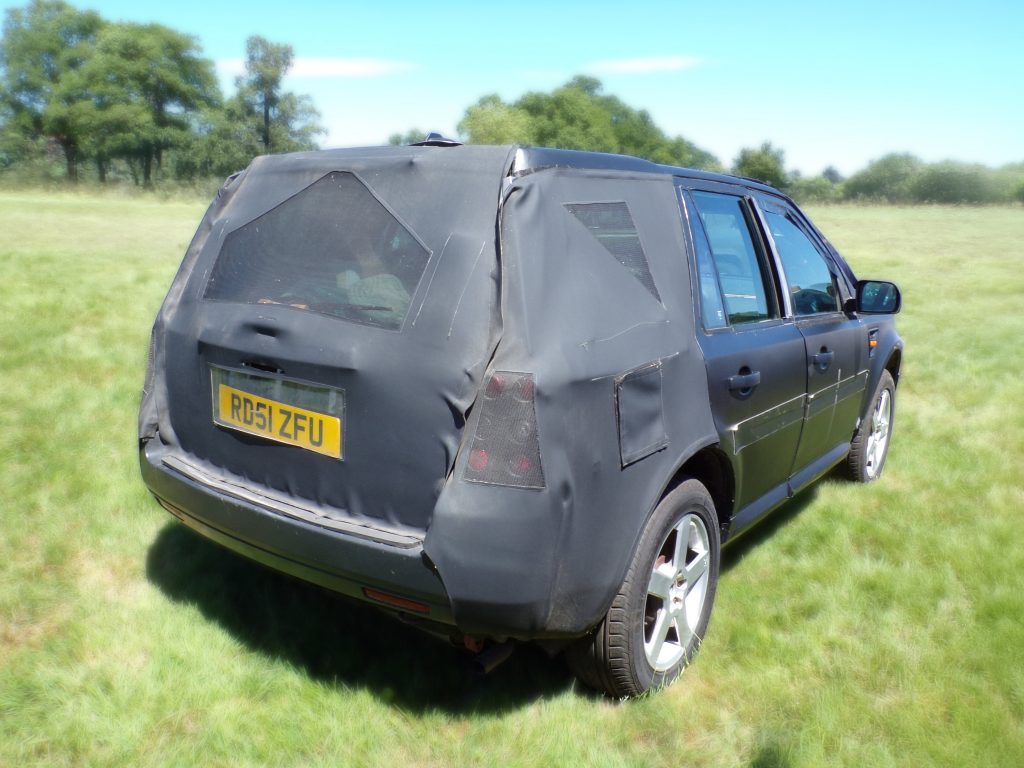
Introduced in 1997, the original Freelander was Land Rover’s answer to the growing “Soft Roader” market. SUV’s that were more tuned for the road than the great outdoors but still had a smattering of off-road ability. It was a great success and brought a new market to the Land Rover brand. Roll on to 2004, and prototypes of its replacement were starting to be spotted in testing. The first prototypes were based on Freelander 1 body shells, but later based on the actual Freelander 2 platform its self originally derived from a Ford Mondeo.
Below Left – The First Prototypes used Freelander 1 body shells, note the wheel arch extensions showing the wider track of the Freelander 2. Below Right – This disguised mule was more like the finished product.
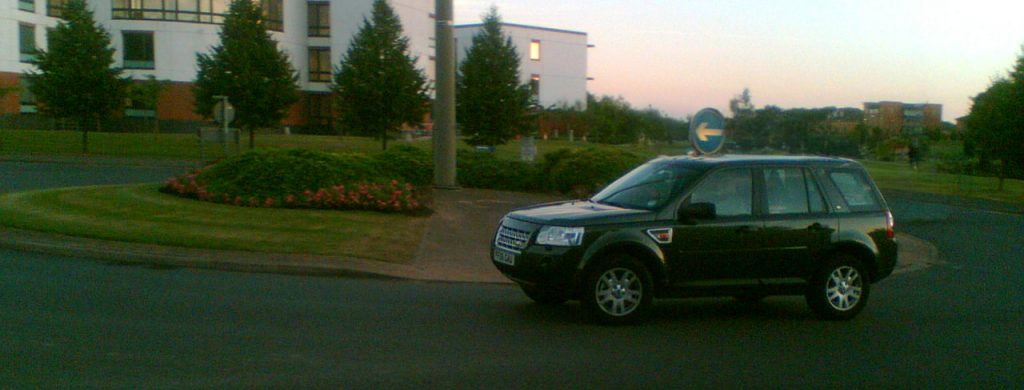
Above – This grainy photo was taken by myself showing a prototype / pre-production Freelander 2 being tested around Warwick University Campus. Note it is left hand drive.
The Freelander 2 was put on sale in 2006 and remained in production until 2014. It was clear from the start that the Freelander 2 was a much more grown-up proposition than the Freelander 1. The design was clean and modern, and the interior had a more quality feel to it. It was a nice vehicle indeed.
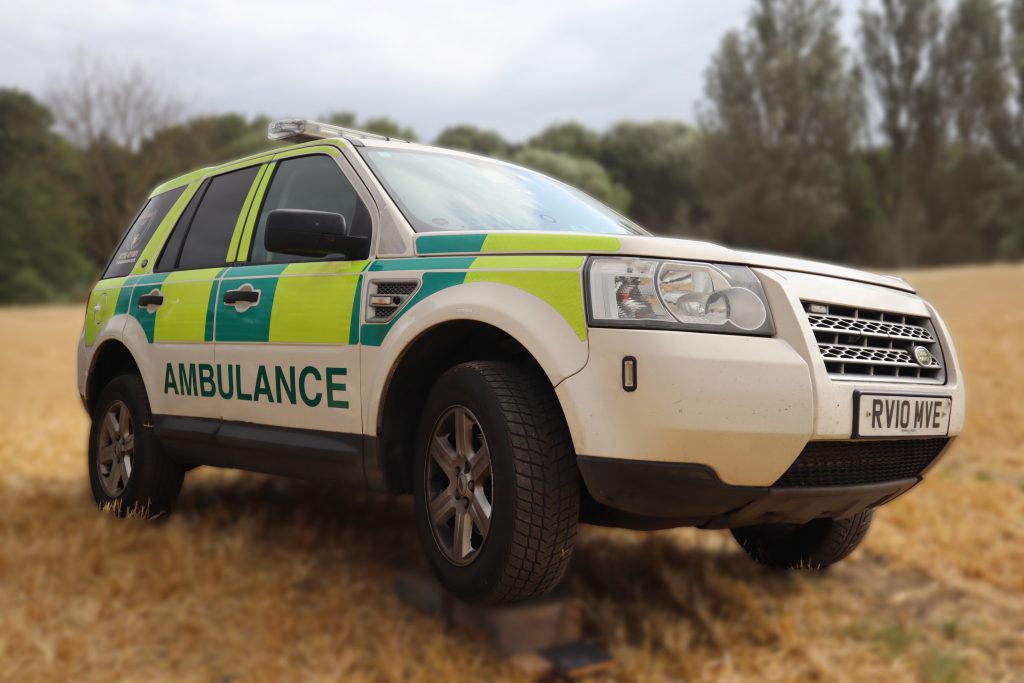
Above – This pre-face lifted version was being used as an Ambulance
Technically the Freelander had three variants, the 160 PS TD4 had a 2.2 litre Turbo Diesel (PSA designed) which was mated to either a 6-speed manual or 6-speed auto and the 233 PS i6 had a 3.2 litre straight 6 petrol (Volvo designed) and was only available as an auto. The four-wheel drive system was the more traditional Haldex coupling style rather than the IRD set up of the Freelander 1. The bulk of the torque went to the front wheels, but when needed, power could be diverted to the rear axle. Terrain Response was made available for the first time on the Freelander range, but unlike its more off-road focused siblings didn’t feature Rock Crawl mode. For the Freelander 2 you had Normal, Grass / Gravel / Snow, Mud & Ruts and Sand options, selected by a rotary dial by the gear stick.
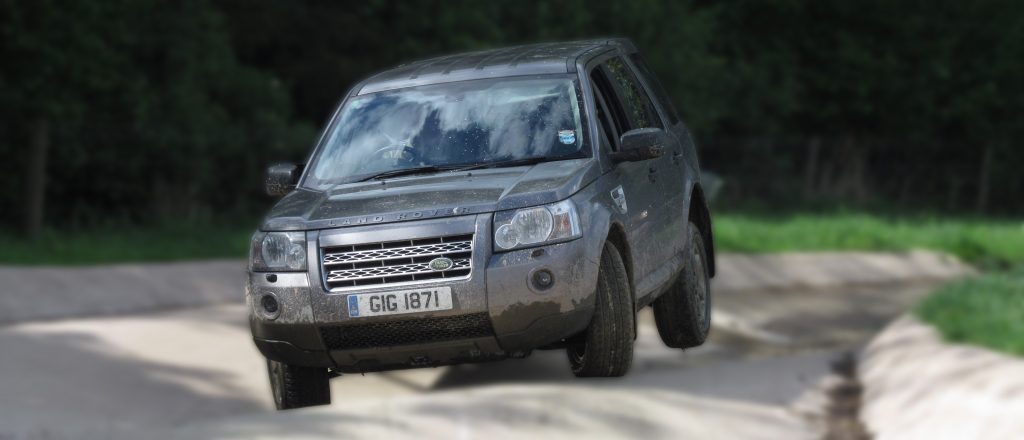
With all independent suspension and monocoque chassis, the Freelander 2’s on road manners were quite civilized. It was comfortable and for an SUV rode and handled quite well. The more road biased set up meant that come off road, the Freelander 2 would quite often lift a wheel when the terrain started to undulate, but the Terrain Response system would make sure traction was maintained and progress could continue.
Below – The Freelander 2 would often lift a wheel in off road conditions, but Terrain Response would ensure progress continue.
In 2011 for the 2012 Model year, The Freelander 2 was given a midlife make over. Subtle changes to the bumpers and trim options were introduced and the diesel engined models were given a revamp with several new models being introduced. The first was aimed at being more economical and more environmentally friendly. Called the eD4, it featured the same 2.2 litre Turbo Diesel as before, but de-tuned to 150 PS and only mated to the 6-speed manual gearbox. The main difference here though was the four-wheel drive system. It didn’t have one. Yep, this Freelander 2 was only front wheel drive. Land Rover had made 2WD versions of the Series 1, 2 & 3 for the military but, along with the 2WD Evoque, this was the first time it had been made available as a mainstream model.
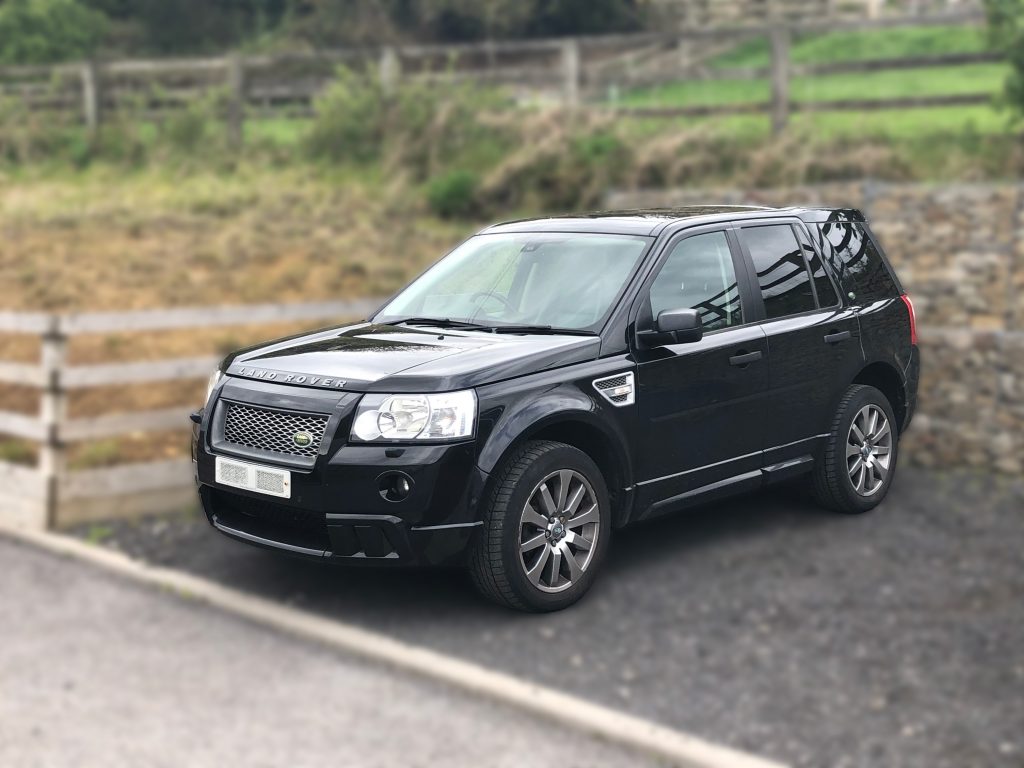
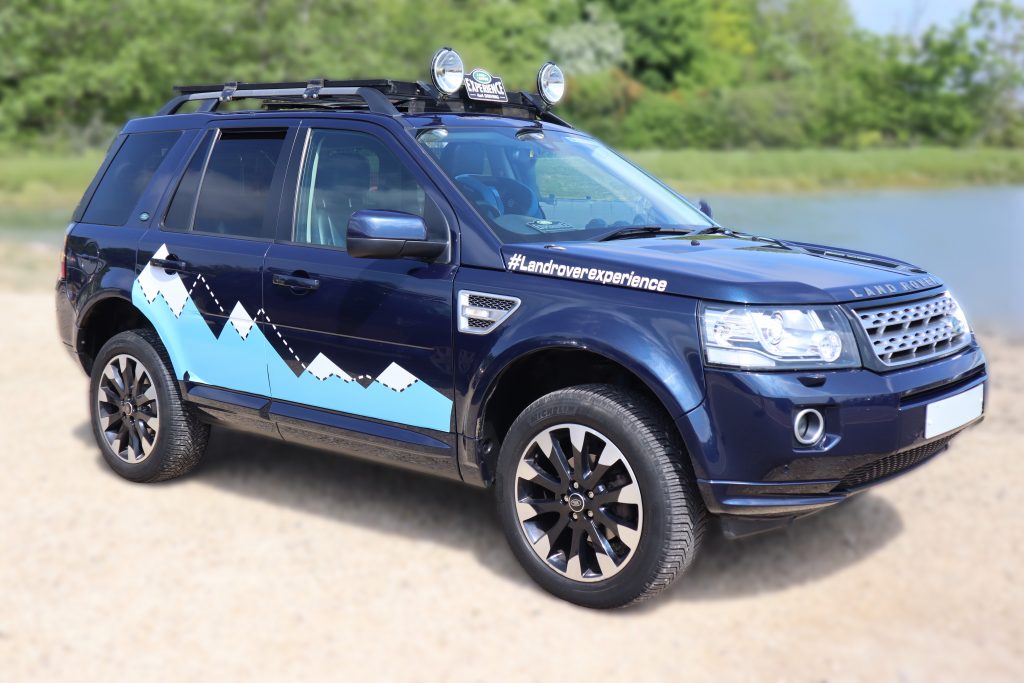
Above – Introduced in 2008, the HST version of the Freelander 2 had a factory fitted body kit as can be seen here, along with 19″ alloy wheels and privacy glass. Below – The different style fog lights show this to be a post-face lifted version.
The next two models were called the TD4 and SD4. The TD4 shared the same 150 PS 2.2 litre as the eD4 but with a full 4-wheel drive system and the choice of manual or automatic. The SD4 was a bit spicier and offered 190 PS from a more tuned version of the Turbo Diesel engine and was only available in automatic. With an 8.7 second 0 to 60 time, the SD4 was quite the decent daily driver.
Come 2013 and the i6 was retired and replaced with the Si4, it was never a big seller in the UK and European markets, who preferred the Diesel options. This featured a straight four 2 litre turbo petrol producing 240 PS. Mated to a 6-speed Automatic, this was the most powerful and quickest variant of the Freelander 2 and remains quite rare.
The Freelander 2 continued in production until 2014, when the all-new Discover Sport replaced it. Arguably, this makes the Freelander the only Land Rover model to be discontinued. There was talk of calling the Discovery Sport the Freelander 3, but marketing had other ideas.
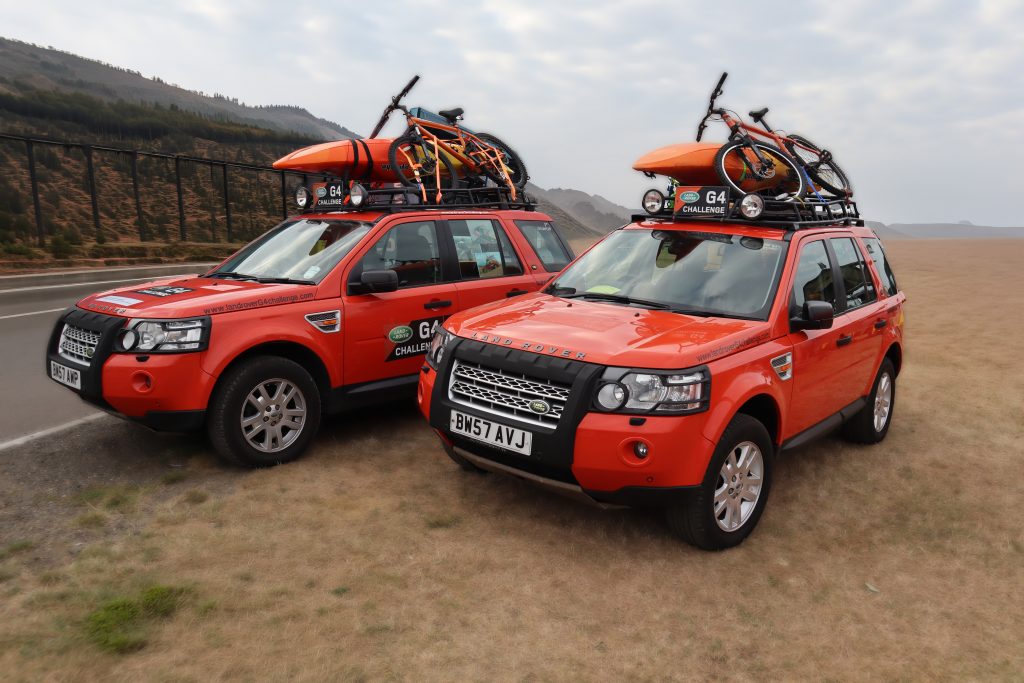
Below – The Freelander 2 was planned to be used for the 3rd G4 Challenge, however the event was cancelled and the vehicles produced never saw active duty in the competition.
So, 20 years on, what do people think of the Freelander 2? Generally, and in my honest opinion, it is one of the best vehicles Land Rover has made. The blend of on road manners and off-road ability make it a desirable proposition. I ran a 2008 TD4 Auto for a while and found it the perfect vehicle for my lifestyle. It was a decent size for my, then young, family. It did the daily 45-mile commute with ease. Come the bad weather I always got to where I needed to be. It never went wrong and manage the green laning I did with ease. I could load it up with the all the gear I needed for camping weekends or use it for the weekly shop. It was and still is a good family vehicle. As they age, you do need to buy wisely, there are some horror stories out there but generally, the Freelander 2 is regarded as one of the more reliable Land Rover products. If you are looking for one, careful inspection remains important. Diesel particulate filter issues can affect cars used mainly for short urban journeys, while EGR valves, power steering pumps, Haldex servicing and general drive train maintenance are worth checking. Evidence of regular servicing is especially valuable on four-wheel-drive models. Buyers should also inspect suspension wear, warning lights, tyres, brakes and signs of corrosion around older examples. A well-maintained Freelander 2 can make a practical family SUV, but neglected cars can become expensive quickly.
Would I have another? Yes – In a heartbeat. A well looked after one still has a premium feel to it, and the off-road performance is more than adequate for most people. If you need more off road capability, then companies are there to provided lift kits and other modification to improve it off the tarmac. The other benefit is that 2.2 lite Turbo Diesel Engine, it’s a peach and is not plagued by the same horror stories of its replacement the 2 litre Ingenium Turbo Diesel.
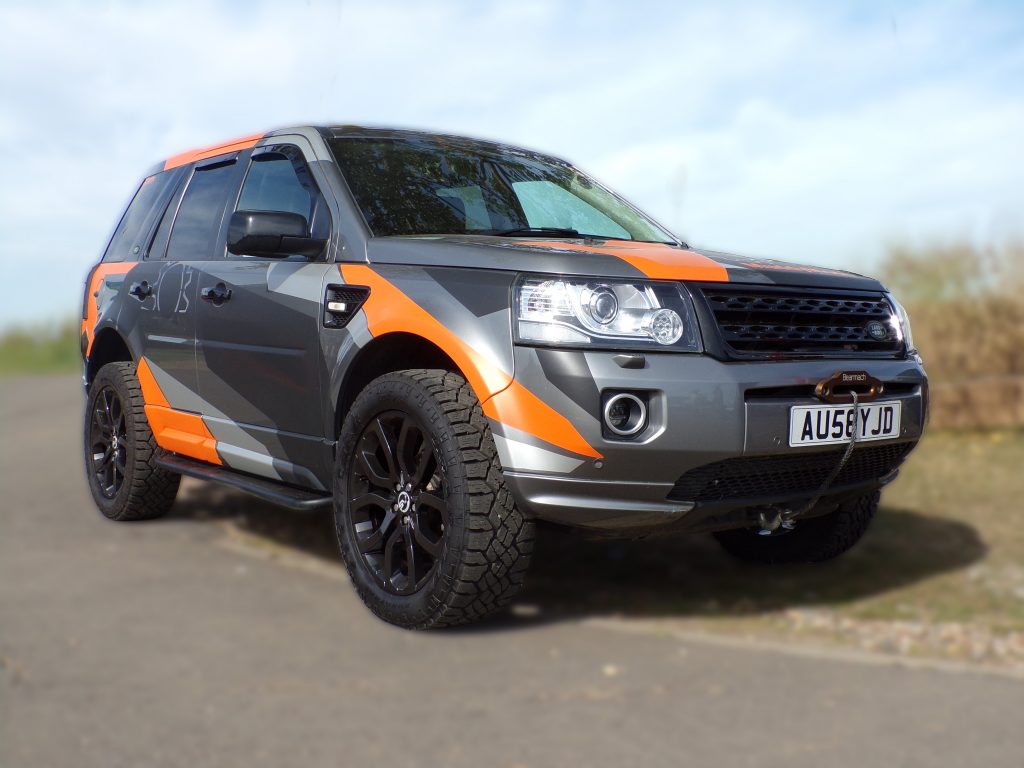
Below – Companies are available that offer modifications to improve the Freelander 2’s off road capabilities. The example below has a lift kit, front mounted winch and is fitted with Range Rover alloy wheels.
But this isn’t the end of the Freelander story. Earlier this year, it was announced that the Freelander name was to return, but with a twist. Not as a model under the JLR family of brands, but as a Geely / JLR joint venture and as a brand not just a one-off vehicle.
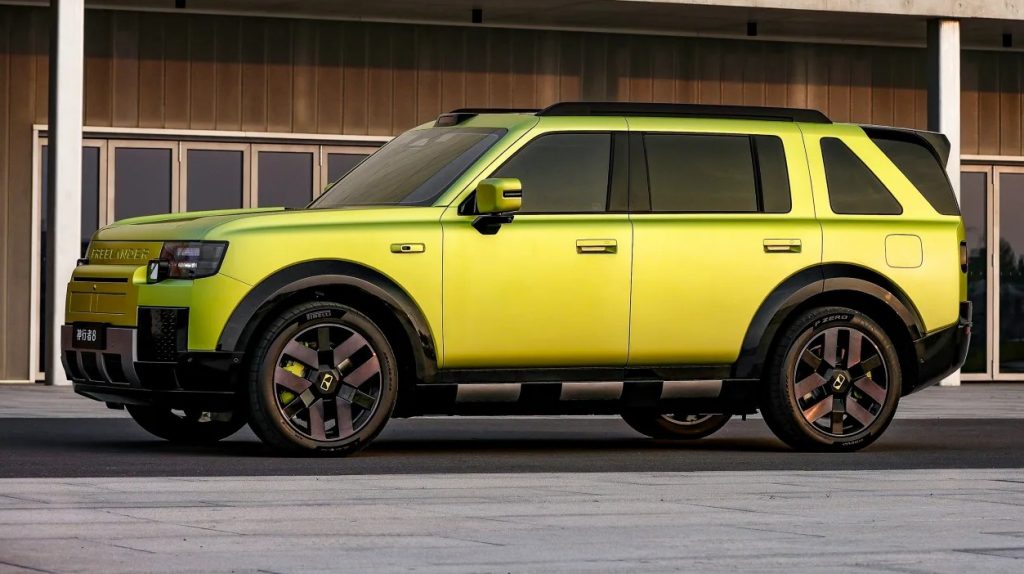
The concept was called Concept 97, referring to the year of the Freelander’s initial launch, but the production version is called the Freelander 8. When it was a Land Rover product, the Freelander was the smallest of the range, but not the Freelander 8. It’s larger than the current Defender. Its also going to be launched as an electric only, though other options will be made available later in its life. The styling is a mix of L663 Defender with a styling nod to the Freelander 1 3 door at the rear. The Freelander 8 is planned to be built at the JLR / Geely facility in China and has hinted that it is coming to Europe. Time will tell and LRLife will certainly be keeping a close eye on developments going forward.
Below – The Freelander by Geely, has just been introduced as a stand alone brand in collaboration with JLR. Photo courtesy of Geely.
But back to the Freelander 2. Looking for a mid-size SUV with pedigree and premium styling, then look no further. The Freelander 2 may just be what you are looking for.