
Coach Built Beauty
Launched in 1948, the coach built Tickford Station Wagon was a wonderful example of forward thinking from Land Rover.
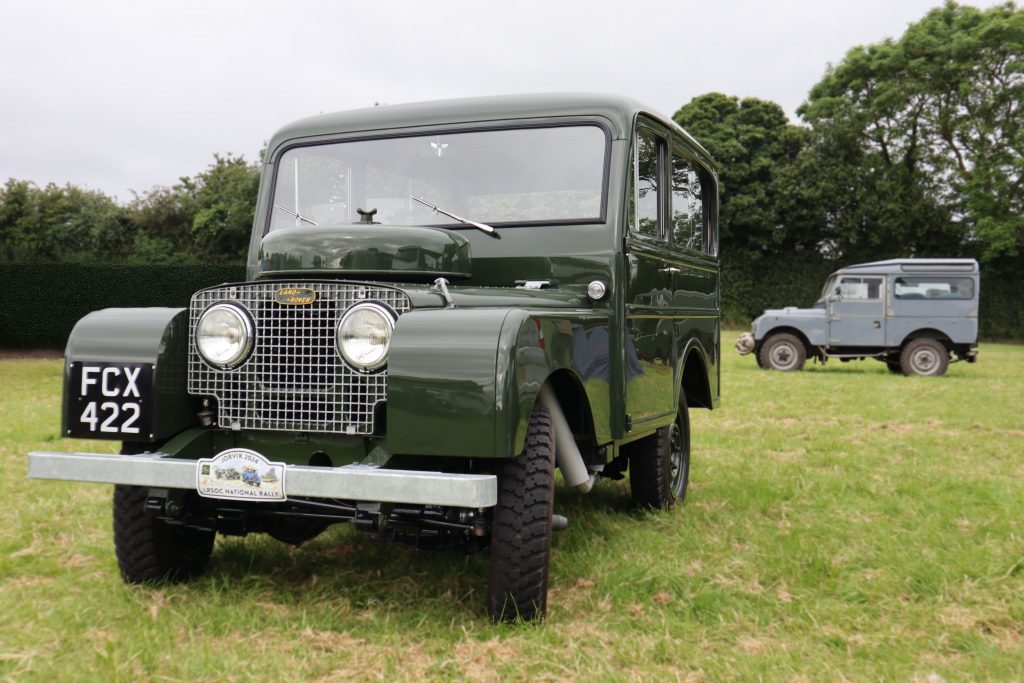
In my opinion, the prettiest Land Rover ever made was one of the first. The Tickford Station Wagon. It’s one of the rarest and most distinctive early Land Rovers ever built — a vehicle that blended rugged off-road engineering with a touch of post-war British refinement.
When the original Land Rover Series I was launched in 1948, it was conceived primarily as an agricultural and utility vehicle. It was advertised as a “go-anywhere, do-anything” workhorse for farmers and the likes. However, Rover also wanted to appeal to the export market, particularly in the British colonies and the United States, where a more “civilised” version could attract buyers who wanted off-road capability with a bit of comfort.
To achieve this, Rover partnered with Tickford Ltd, a respected coachbuilder based in Newport Pagnell (later famous for building Aston Martins). Tickford was tasked with creating a more luxurious version of the early Land Rover — and thus, the Land Rover Tickford Station Wagon was created. The first Tickford was built on pre-production chassis L20, although there are rumours that R02 was also later converted. Only manufactured between 1948 and 1951 it had a relatively short production span.
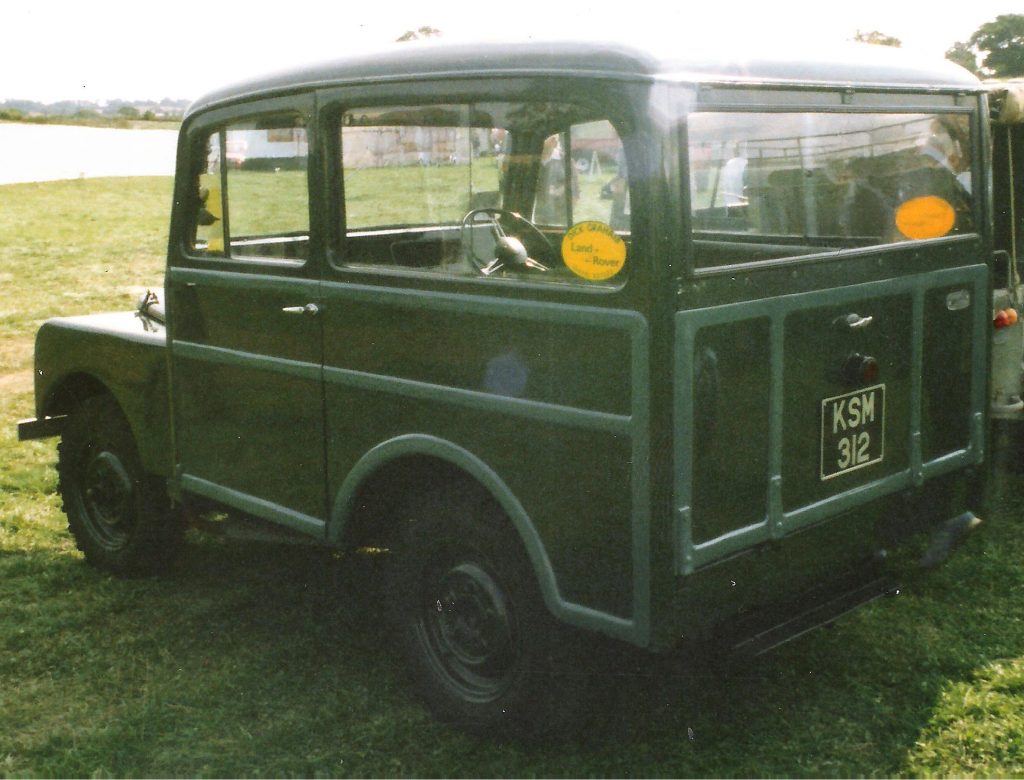
Left – I saw my first Tickford in the late 1980’s and was immediately drawn to its charm.
Below – I came across the same Tickford again around 35 years later having just been restored.
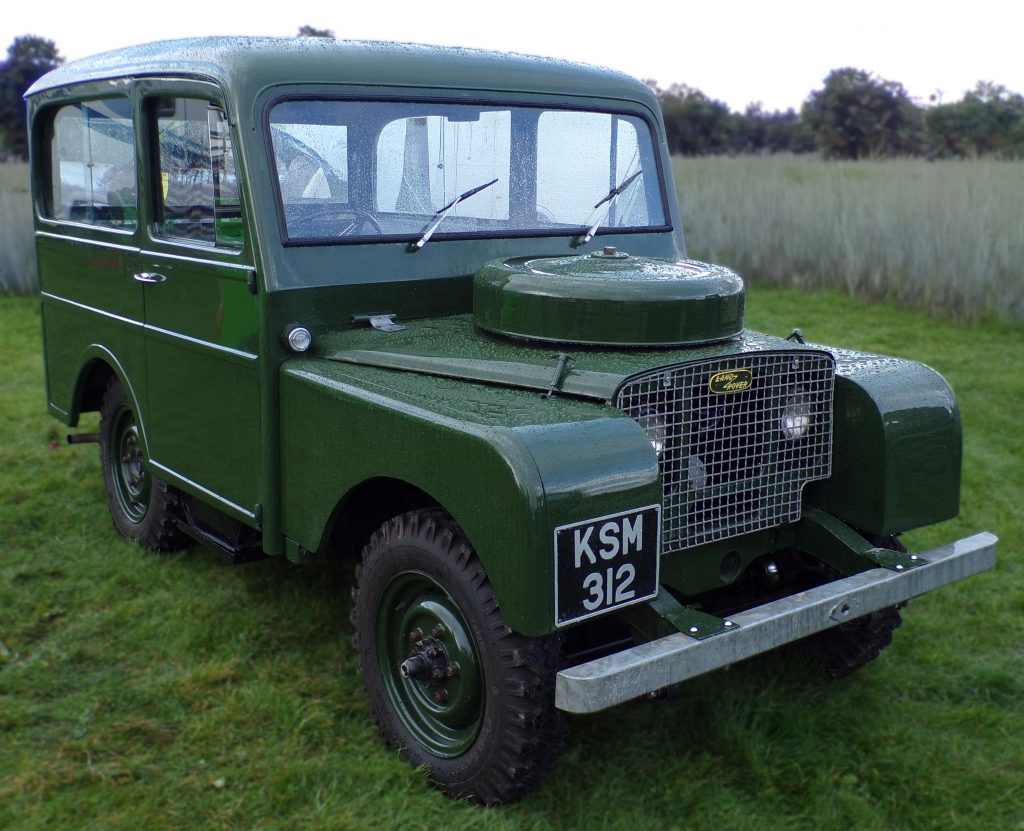
The Tickford Station Wagon was based on the 80-inch wheelbase Land Rover Series I, but featured hand-built bodywork alloy panels over a wooden frame. It featured a coach-built rear tailgate, making it more car-like and enclosed than the open utility Land Rovers.
The cabin was trimmed and upholstered, with nicely trimmed seats and interior door panels. It could seat seven passengers, arranged with three front seats, and four side-facing fold-down seats in the rear.
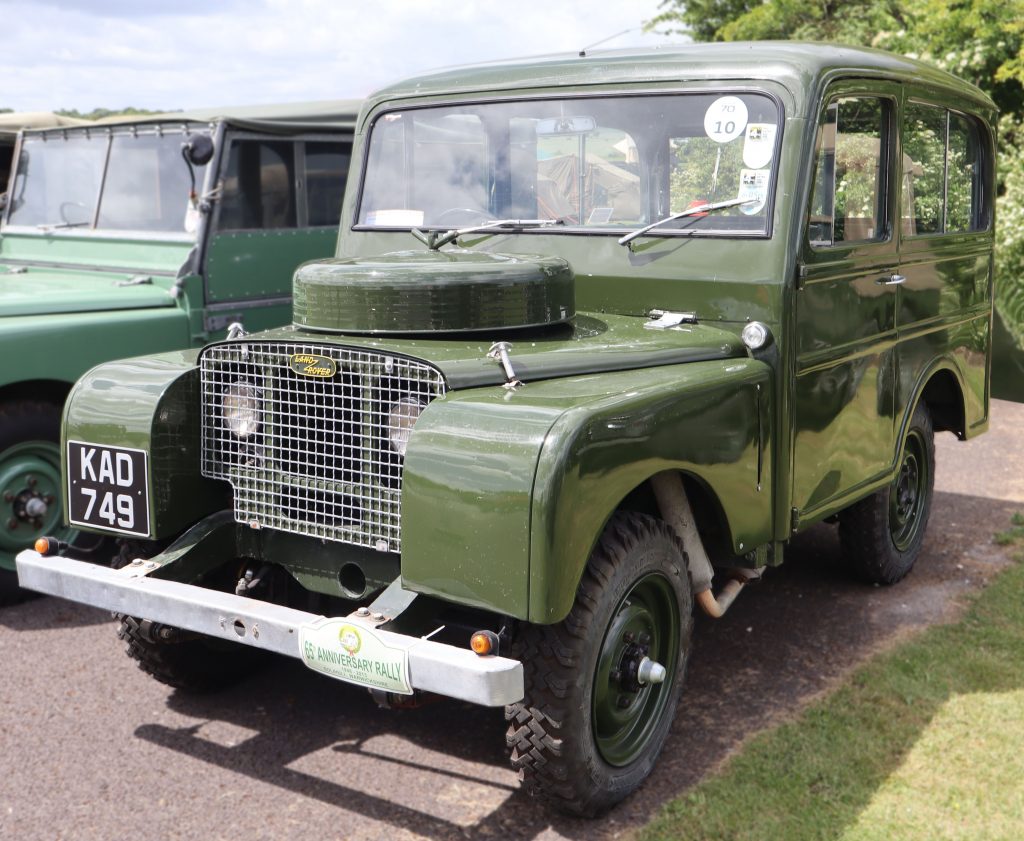
Left – The spare wheel was mounted on the bonnet, as with most early Land Rovers, however it had a metal spun cover which remained unique to this model.
Mechanically, the Tickford Station Wagon was identical to the standard 80-inch Land Rover. The engine was the same 1.6-litre 4-cylinder petrol engine as the more utilitarian versions giving 50 bhp, mated to a 4-speed manual and two speed transfer box giving both high and low ratios.
The Tickford Station Wagon was aimed at wealthier buyers and export customers, but that ambition came with a problem: it was expensive. In 1948, a standard Land Rover 80″ cost around £450, while the Tickford Station Wagon cost £940 including purchase tax — more than double the price of a basic model. That made it even pricier than some saloon cars of the era, such as the Rover P3 or Austin A70. Buyers who wanted a luxury off-roader were few and far between in the austerity of post-war Britain, and colonial users tended to prefer the simpler, lighter, and cheaper canvas-topped Land Rovers. As a result, only about 621 Tickford Station Wagons were ever built before production ended.
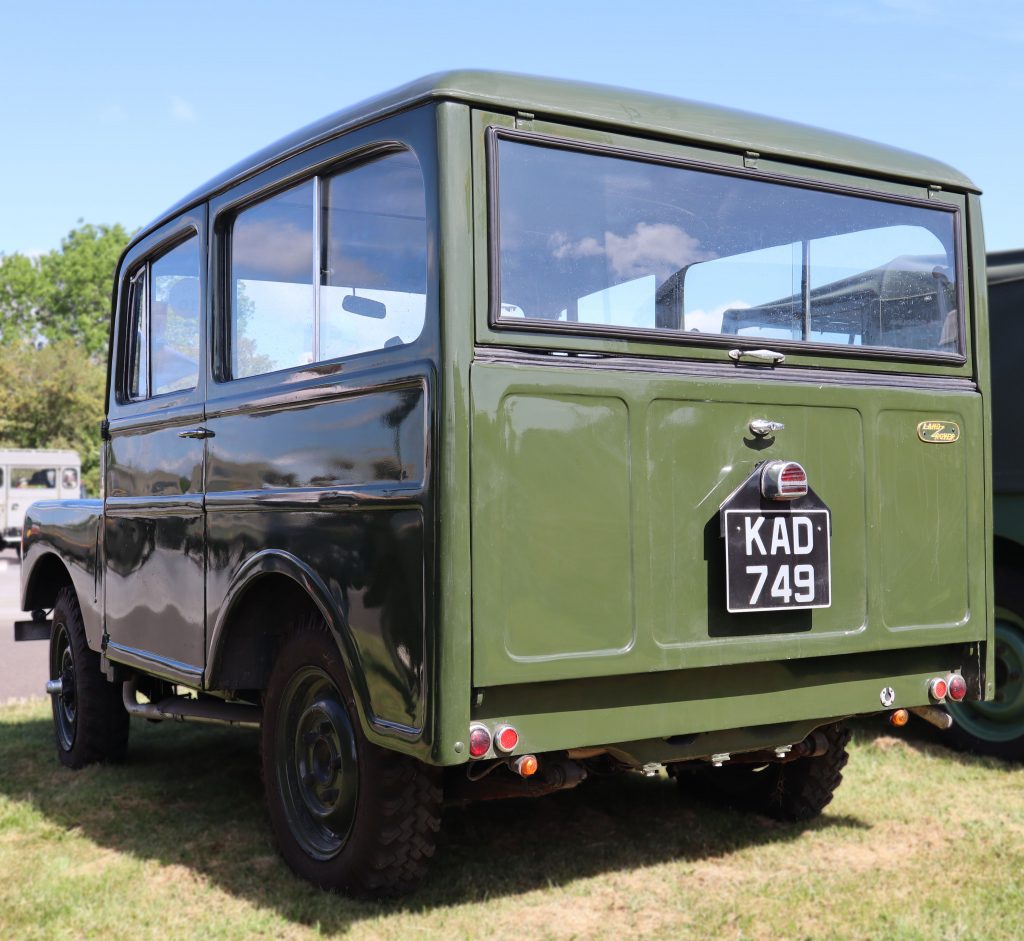
Above – The Tickford was the first Land Rover to feature the split tailgate that was re-introduced on the Range Rover several decades later.
By 1951, Rover replaced the Tickford with an all-metal Station Wagon built in-house at Solihull, using aluminium panels and a simplified layout. These later models were more affordable and durable — closer to the utilitarian ethos Land Rover would become known for.
The Tickford, however, remains a collector’s gem today because of its rarity and craftsmanship. Only a few dozen original examples are known to survive worldwide. Values depend heavily on condition and originality, but restored examples can exceed £70,000–£100,000 at auction due to their scarcity and historical importance.
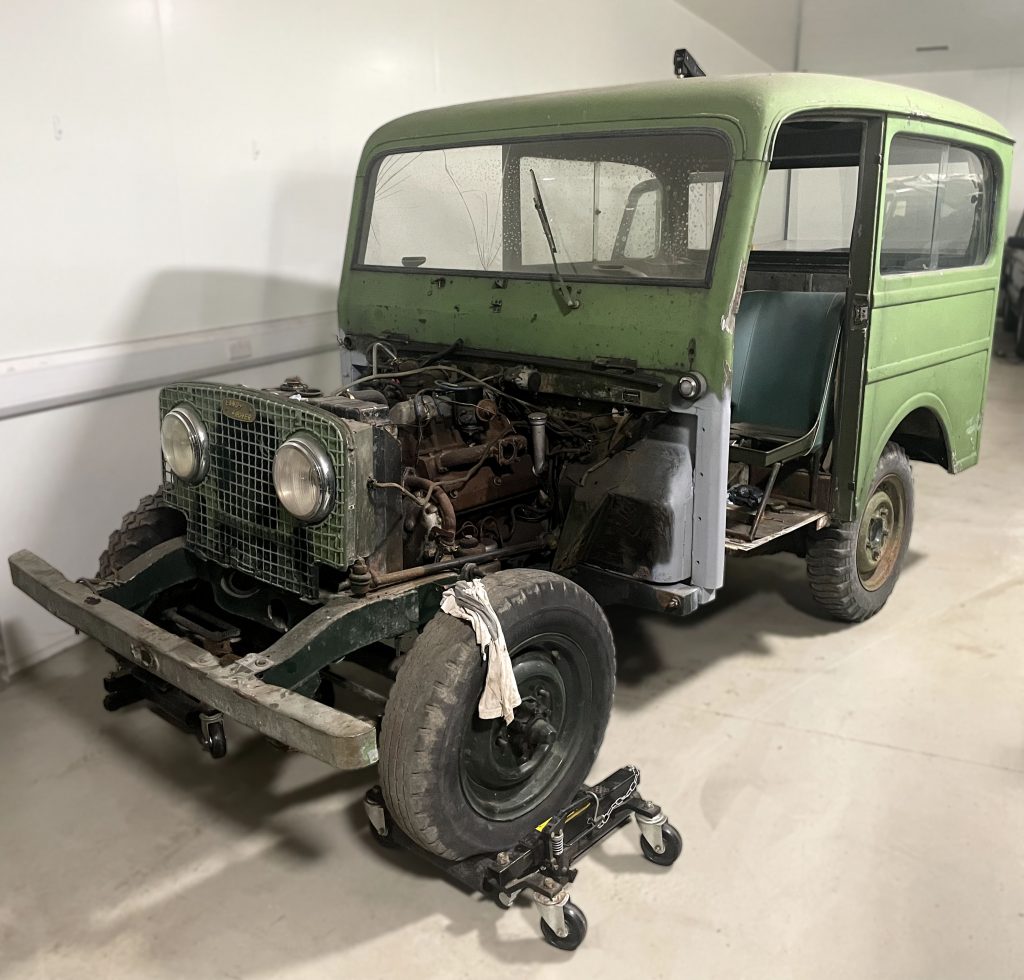
Above – Restoring a Tickford is no small task thanks to its rarity and hand crafted exterior panel.