History of Land Rover vehicles
Centre Steer Prototype
1947
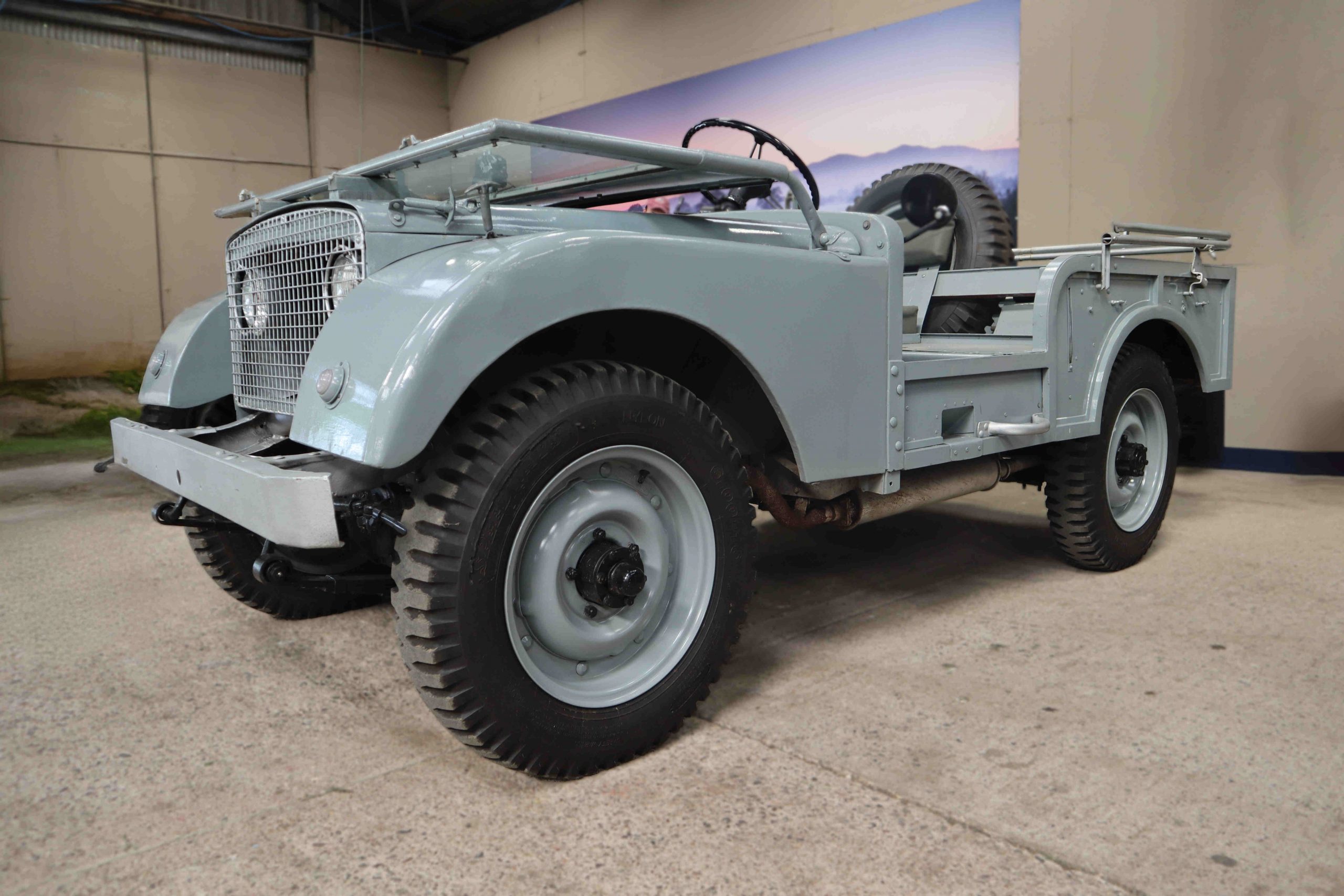
Built in 1947 on an ex-World War II jeep chassis, the centre steer prototype did the job of persuading the rover board to sanction the building of 50 pre-production vehicles. The vehicle featured a 1.4 Rover 10 engine with Rover gearbox mated to the Jeep transfer case. The original vehicle is lost, but several replicas have been built since.
Pre-Production
1948
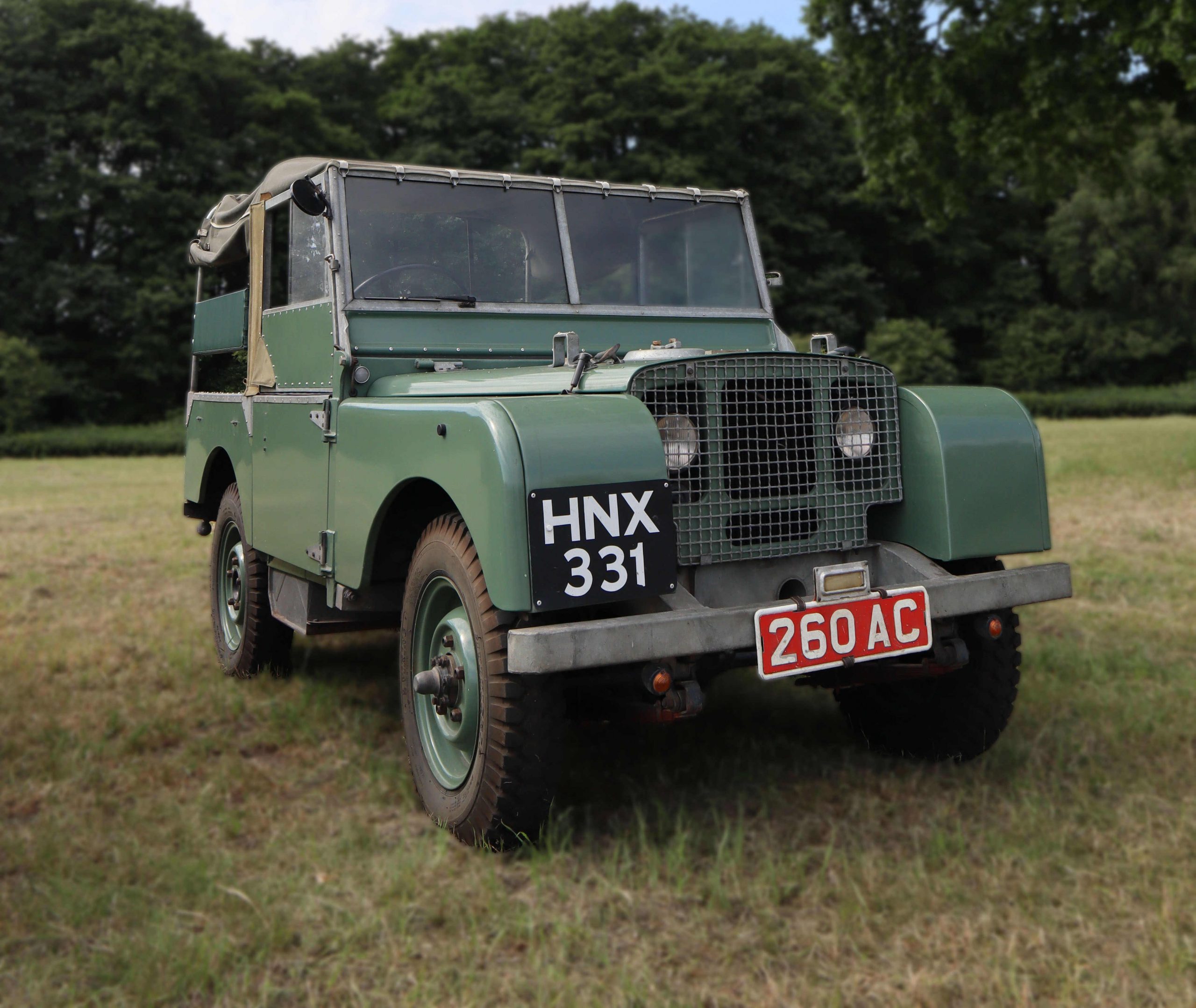
Only 48 of the sanctioned 50 Pre-production Land Rovers were built and all had the 1.6 litre Rover engine. As these were development vehicles the specifications were different between them. They were given the chassis numbers R or L depicting RHD or LHD. Over 20 examples are known to be in existence. Pictured here is R16.
Series 1 – 80”
1948 to 1954
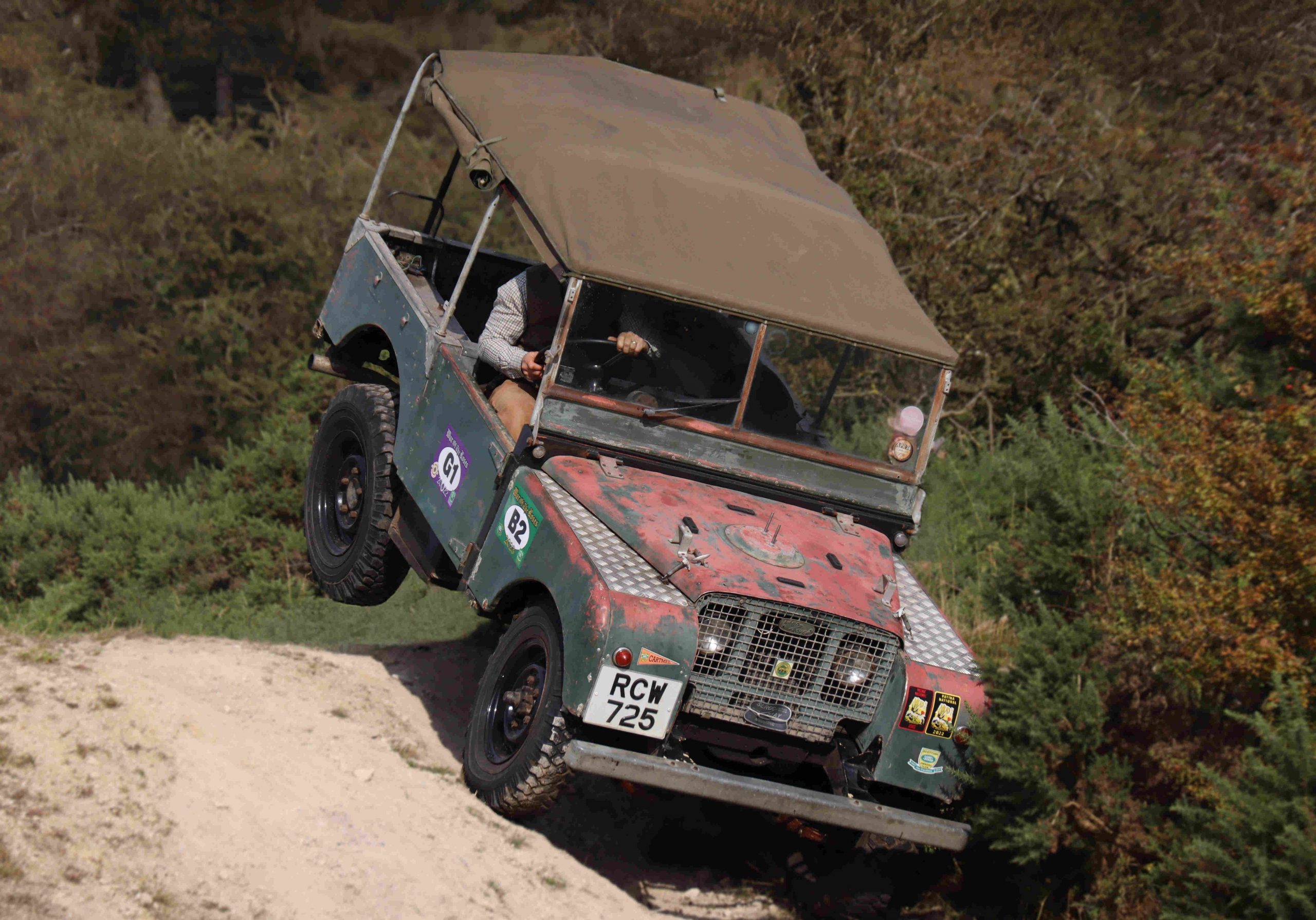
Launched initially with the same 1.6 litre Rover engine as the Pre-production Land Rovers, the engine was later enlarged to 2 litres in 1952. The transmission was a 4-speed manual with permanent four-wheel drive in both high and low ratio until 1950 when it was changed to selectable two- or four-wheel drive. The suspension set up was leaf springs all round mated to live axles. Despite being over 75 years old, this 80” can still cut it off road and regularly competes.
Series 1 – Tickford
1948 to 1954
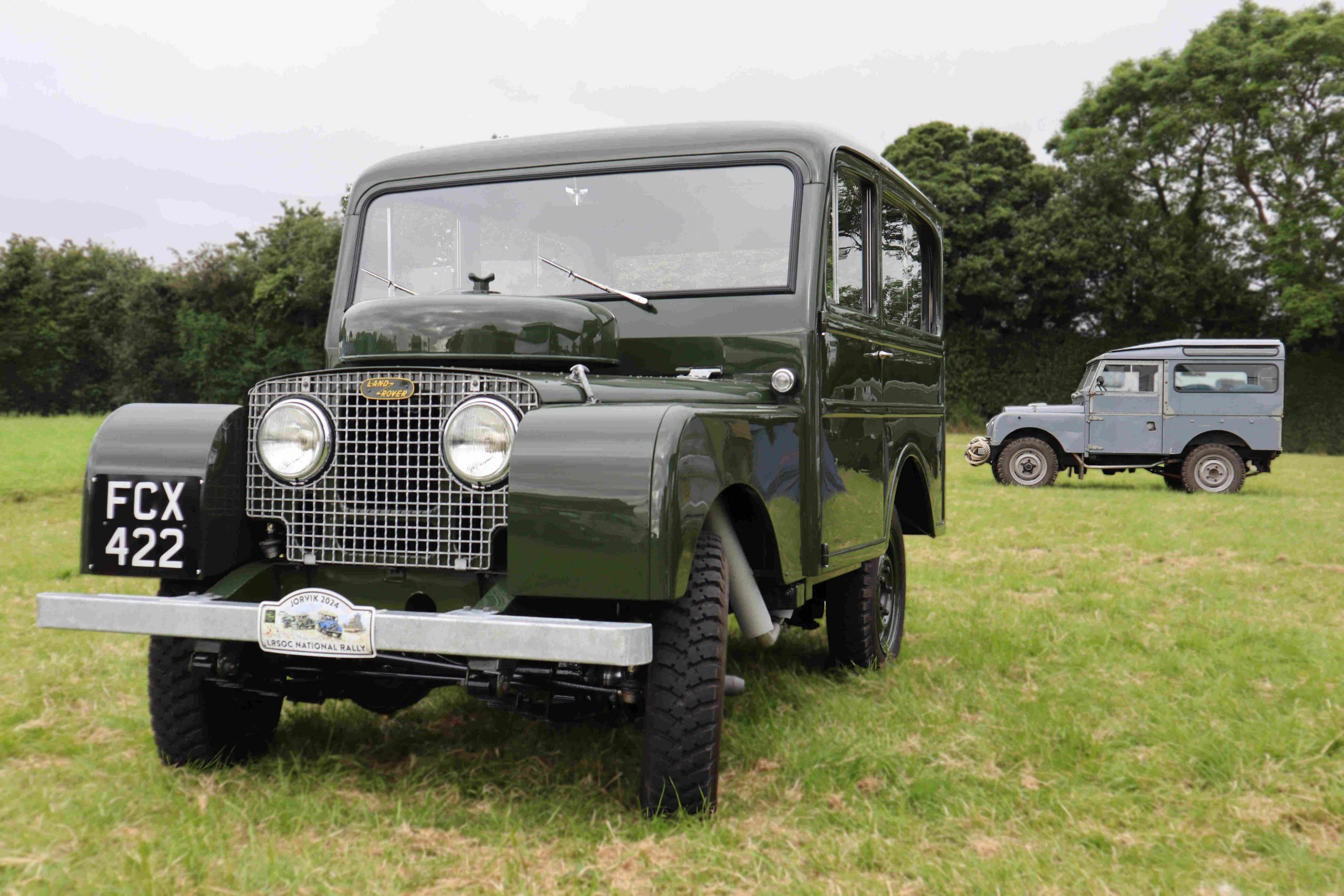
Offered as a more luxurious alternative to the standard Land Rover, the coach bodied Tickford was a pretty vehicle. With the same engines and running gear as its sibling, the Tickford was a full seven-seater and as such was classed as a private car hence attracted higher tax. This meant it was far more expensive and as such never sold in great numbers. Here we have a later model (The larger headlights give this away) pictured with a 86” Station Wagon behind.
Series 1 – 86”
1954 to 1956
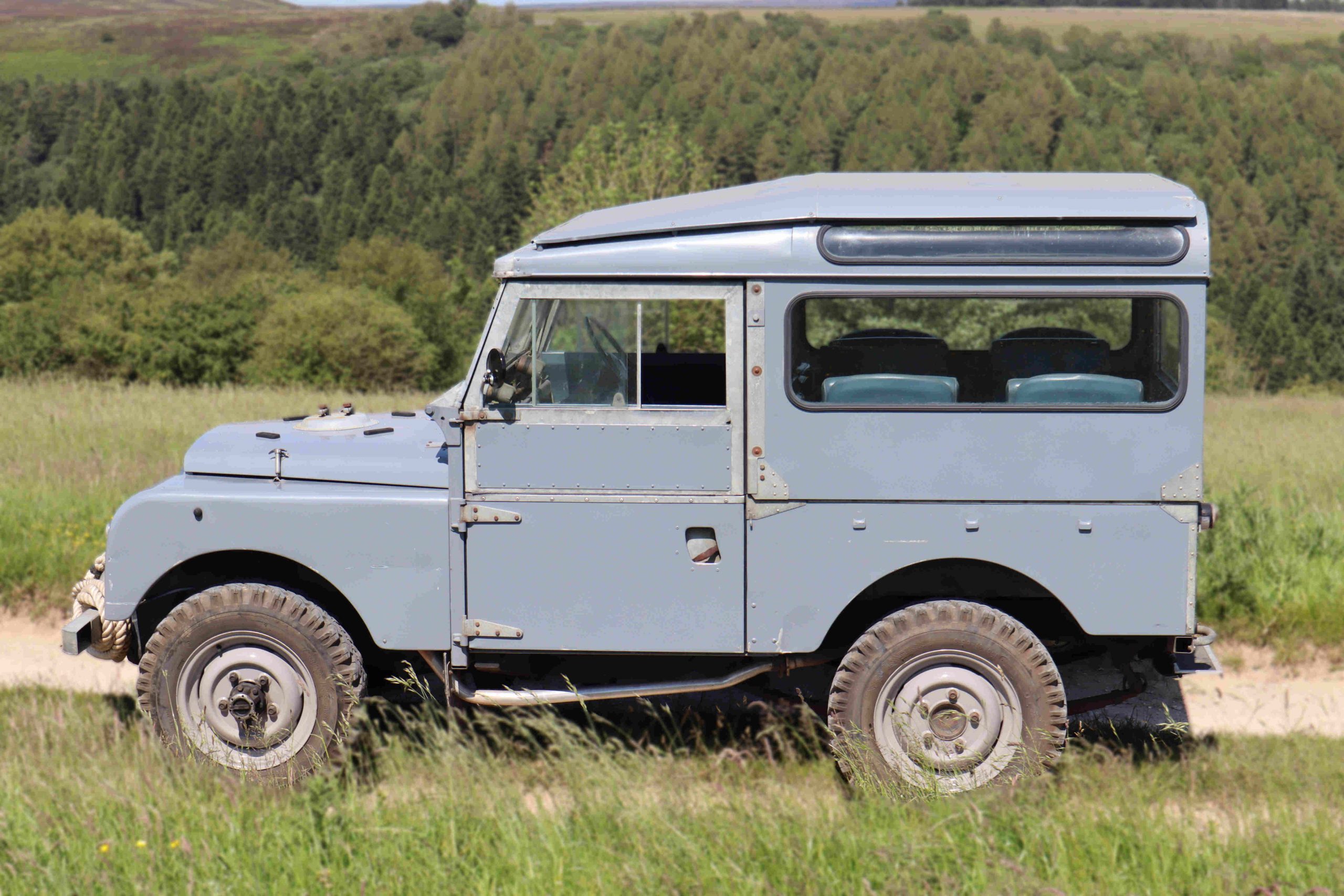
With six inches longer in the wheelbase the 86” Land Rover was more practical than its predecessor. The engine and transmission from the 80” remained meaning a 2-litre petrol and a 4-speed manual gearbox with selectable high and low ration four-wheel drive. Unlike the 80” however the 86” was available as a seven-seating station wagon.
Series 1 – 107”
1954 to 1956
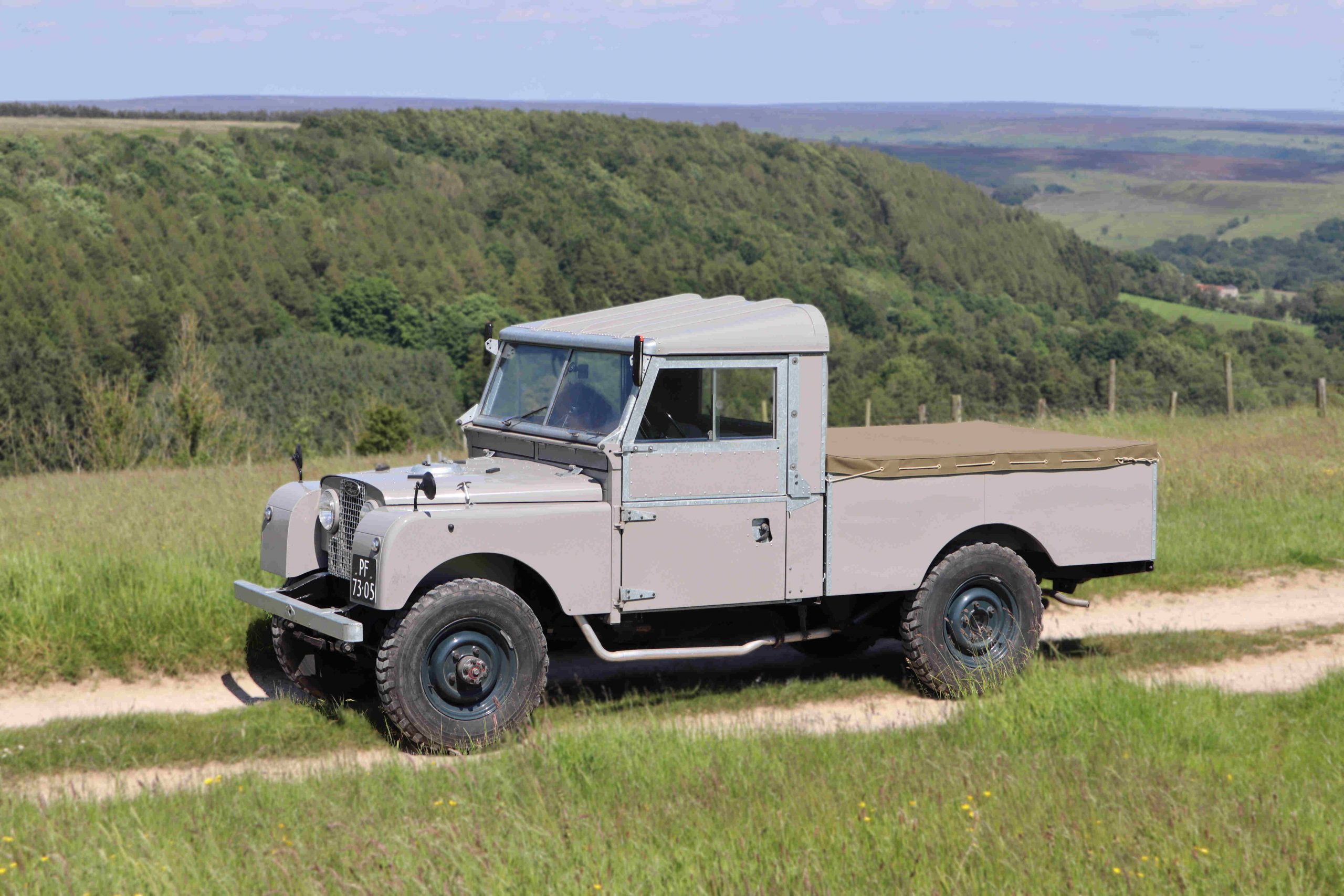
This was the first long wheelbase Land Rover offered by Land Rover and was introduced around the same time as the 86”. As with the 86” the engine and transmission from the 80” remained meaning a 2-litre petrol and a 4-speed manual gearbox with selectable high and low ration four-wheel drive.
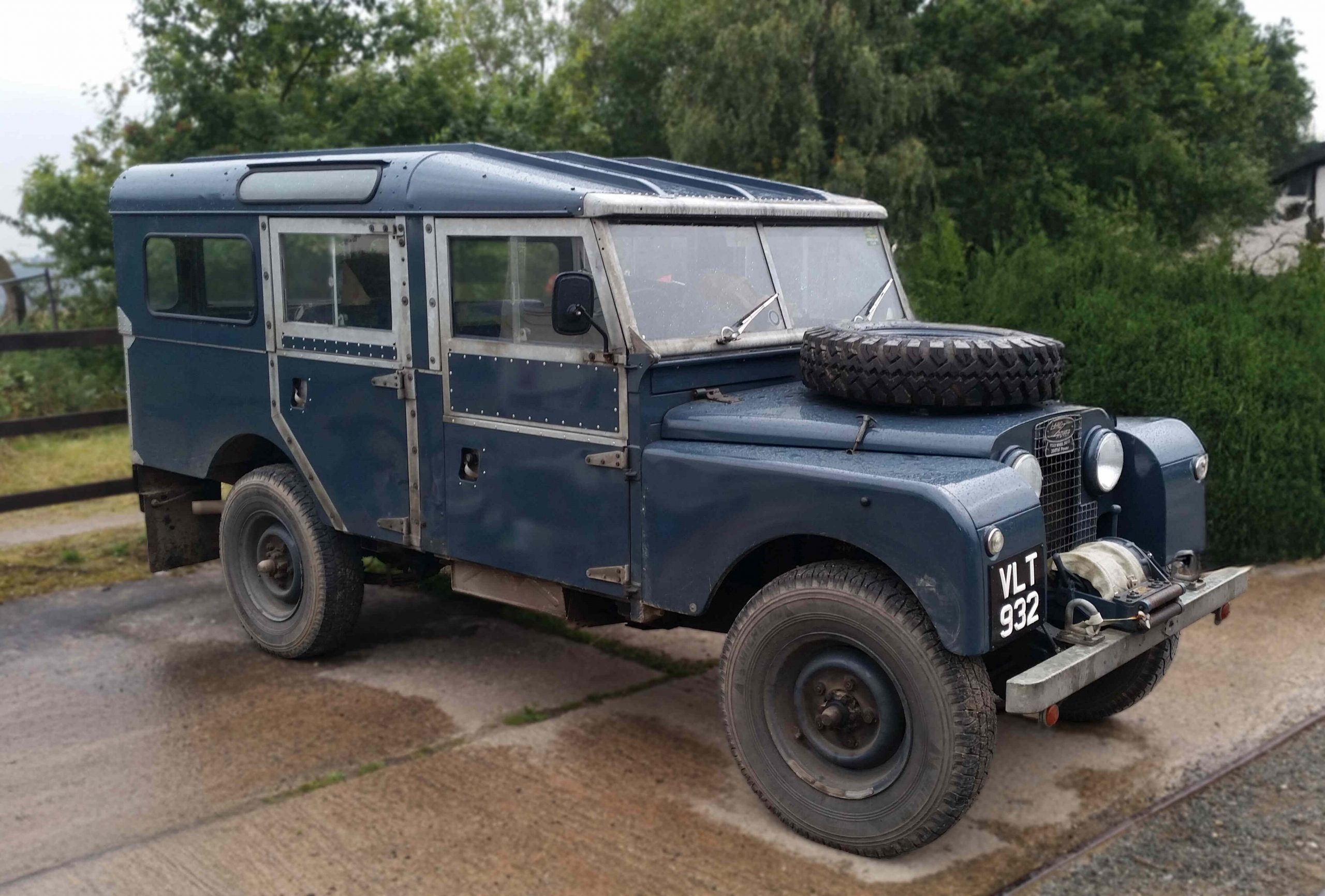
Series 1 – 107” Station Wagon
1954 to 1958
Introduced a few years after the long wheelbase Land Rover the Station Wagon was a five door, ten-seater. Featuring the same 2-litre petrol engine as the commercial 107”, production remained until 1958 making it the last 107” wheelbase Land Rover to stay in production.
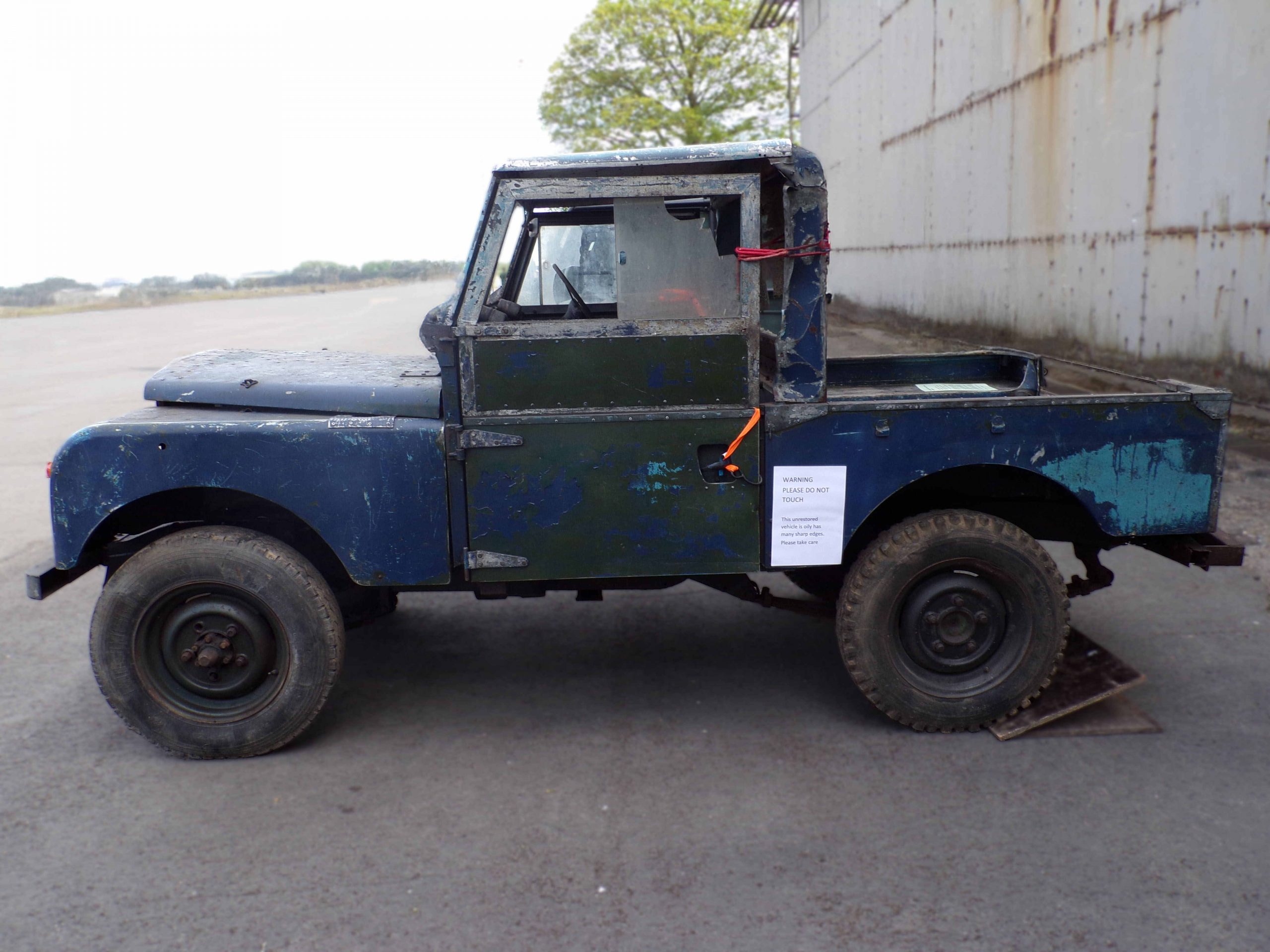
Series 1 – 88”
1956 to 1958
When Land Rover introduced the diesel engine the front axle had to be move two inches further forward creating the 88” Land Rover. The engine was a 2.1 litre straight four, and like the petrol version, was mated to the 4-speed manual gearbox and part-time four-wheel drive system. The version pictured here is the first production diesel Land Rover and when photographed, needed restoration.
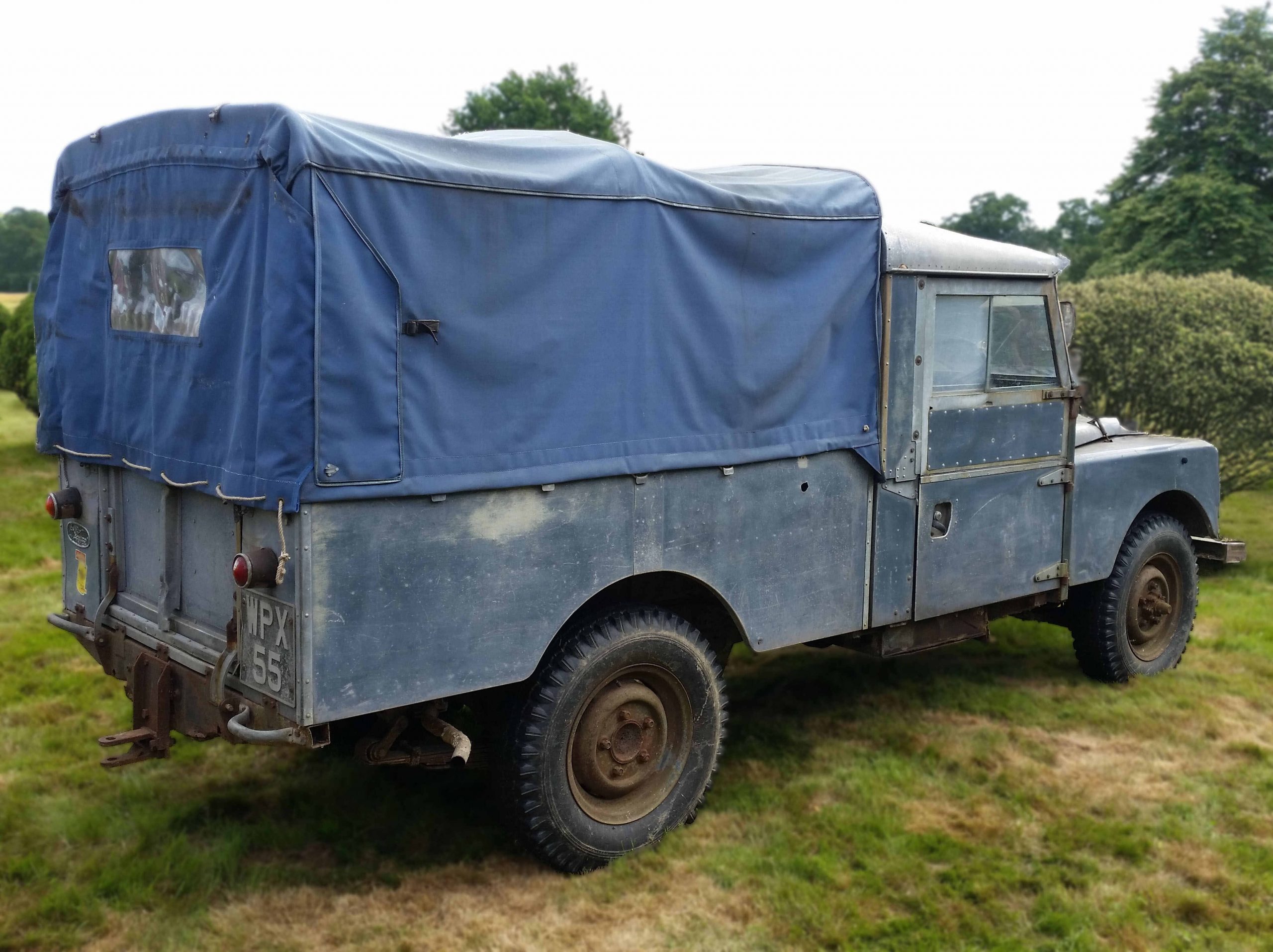
Series 1 – 109”
1956 to 1958
In line with the short wheelbase Land Rover the 107” had its front axle moved forward too making 109”. This would be the wheelbase of all long wheelbase Land Rovers until the early 1980’s. It should be noted that a 109” Station wagon was not offered for the Series 1.
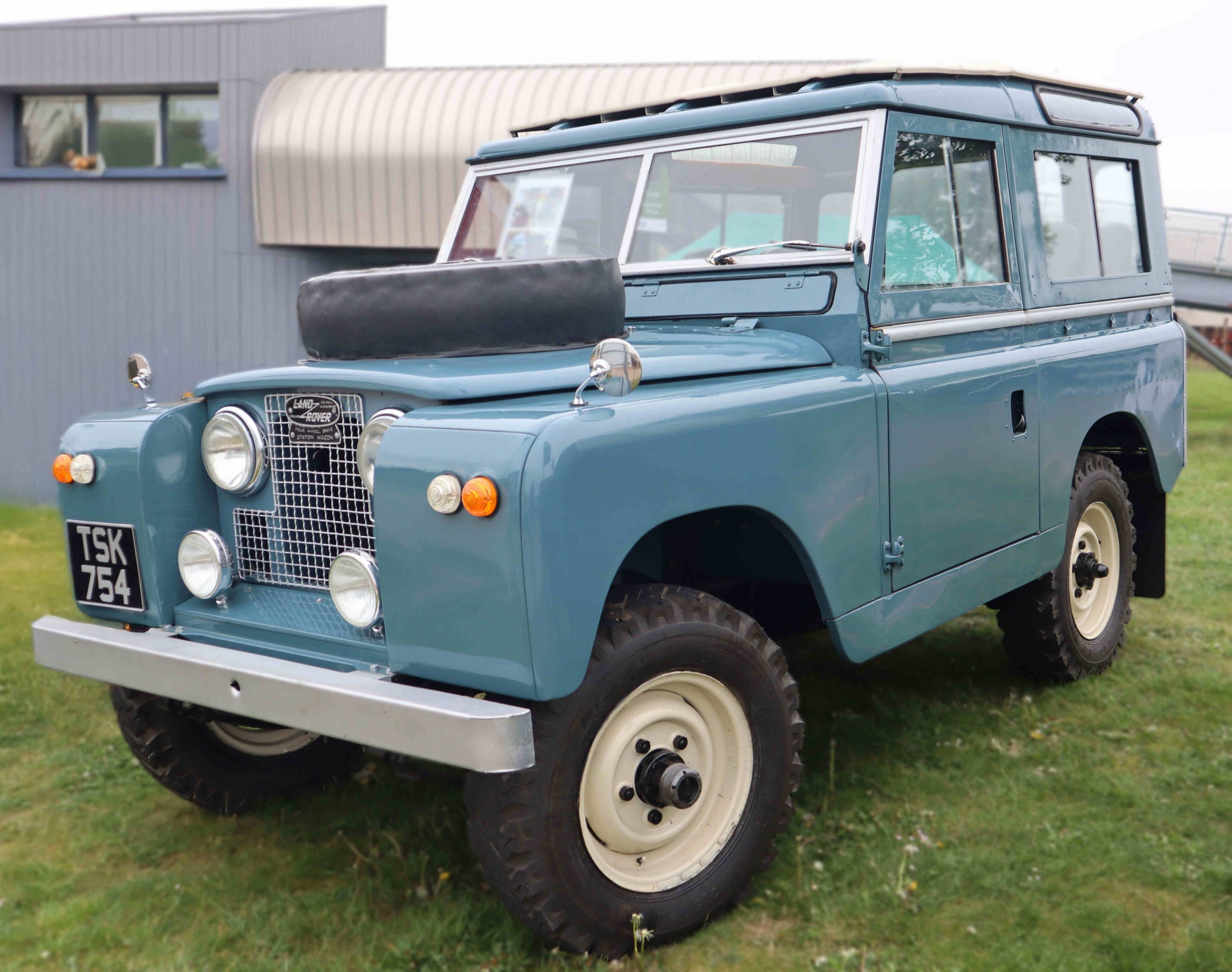
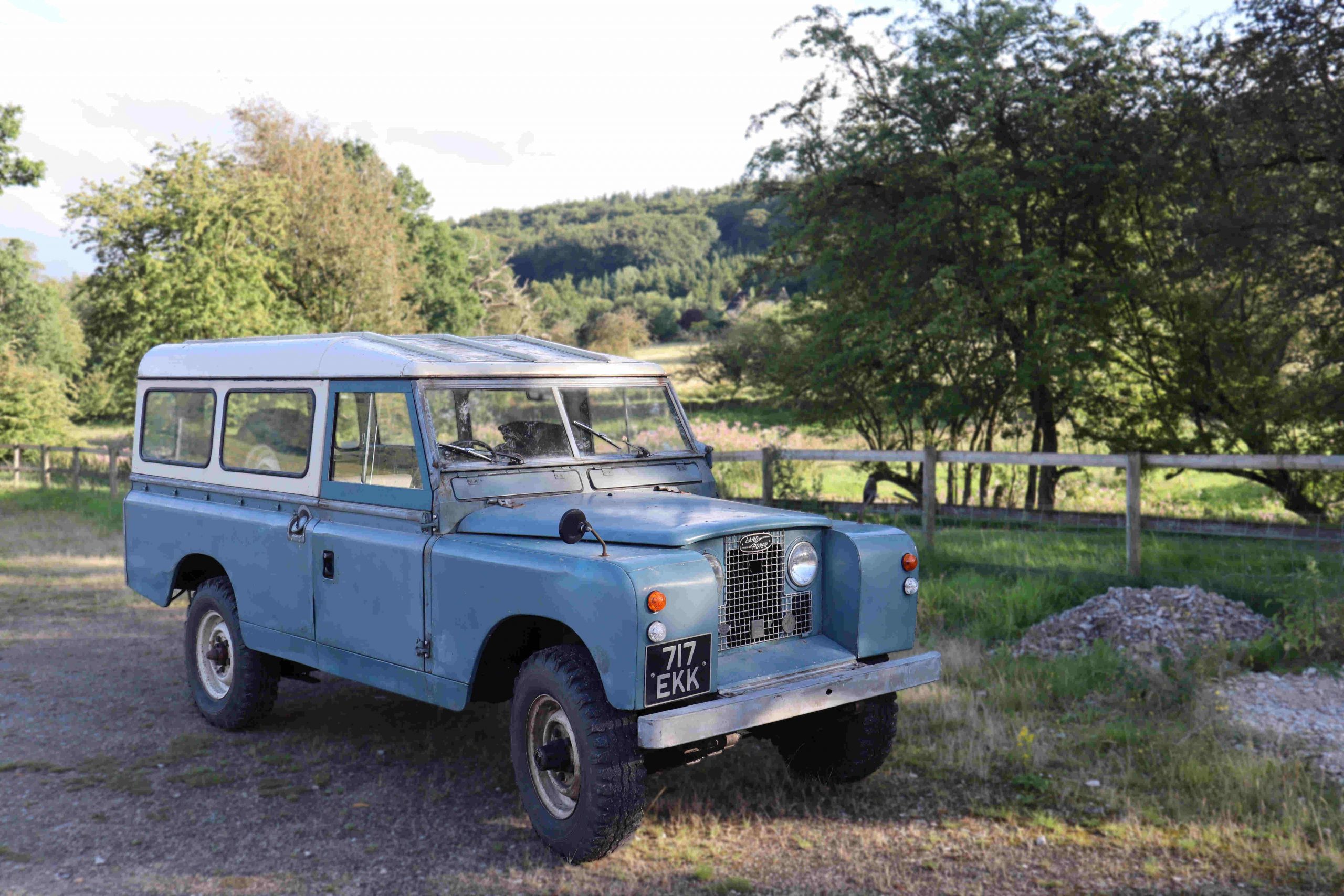
Series 2 – 88”
1958 to 1961
It should be noted that the Series 1 was only called so retrospectively, once the Series 2 was introduced. The petrol engine was enlarged to 2.25 litres with the introduction of the Series 2, but the diesel remained at 2.1 litres. The gearbox and transmission were still a 4-speed manual with a two-speed transfer box giving selectable two- or four-wheel drive driving live axles wounded to the chassis via leaf springs. The largest change was to the body styling with the introduction of the now famous barrel sides that adorned all Land Rovers until 2016. Side skirts were also added to hide the chassis rails.
Series 2 – 109”
1958 to 1961
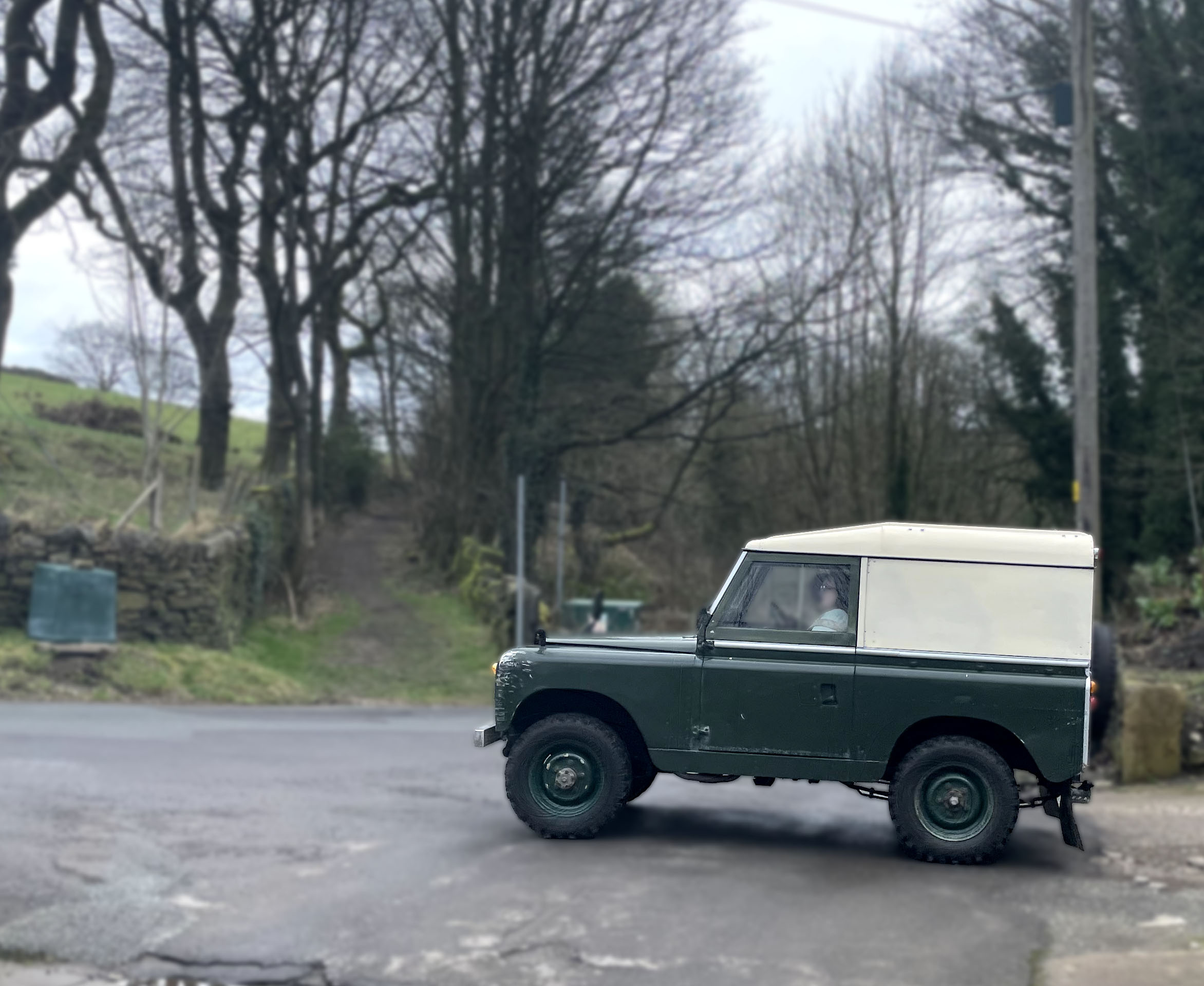
With the same styling was the 88”, the 109” came with the same engine and transmission options. The most notable thing for the 109” was that Station Wagon was available as a 12-seater rather than the 10-seater of the 107” Series 1 variety.
Series 2A – 88”
1961 to 1971
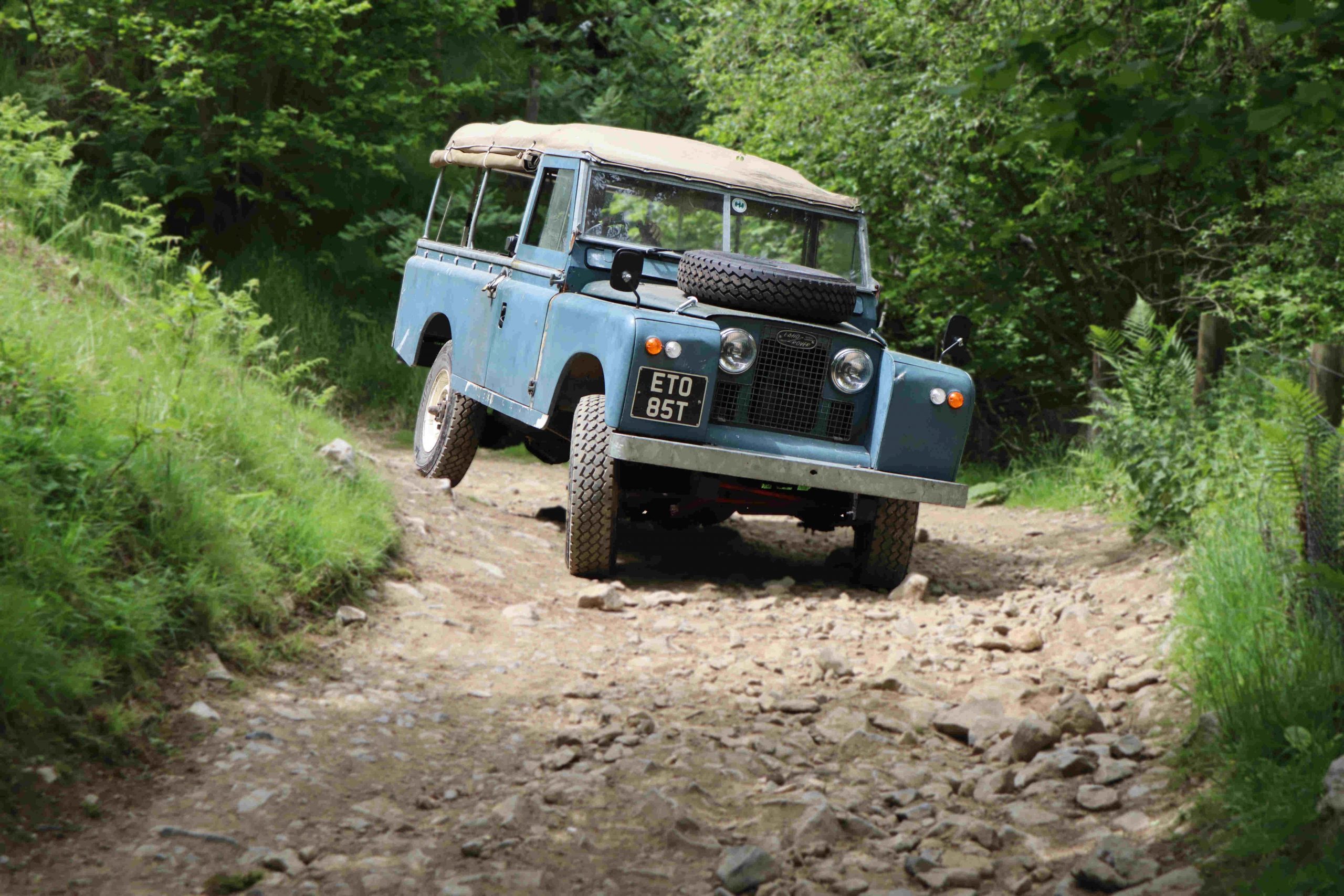
Not long after the introduction of the Series 2, the Series 2A was introduced. In keeping with the petrol engine that was enlarged in 1958, the diesel option was also increased to 2.25 litres. The basic formula for the Land Rover was now set and would remain, mild tweaks aside, until the mid-1980’s. In 1969 the side skirts became thinner and, due to legal reasons, the lights moved from their central position to the wings.
Series 2A – 109”
1961 to 1971
Even in the 1960’s the engine options were quite underpowered, especially when compared to some of its rivals. In 1967 the 6 cylinder petrol engine from the Rover car was made available in the 109” giving a 2.6 litre petrol option.
Series 2A – 109” Forward Control
1962 to 1967
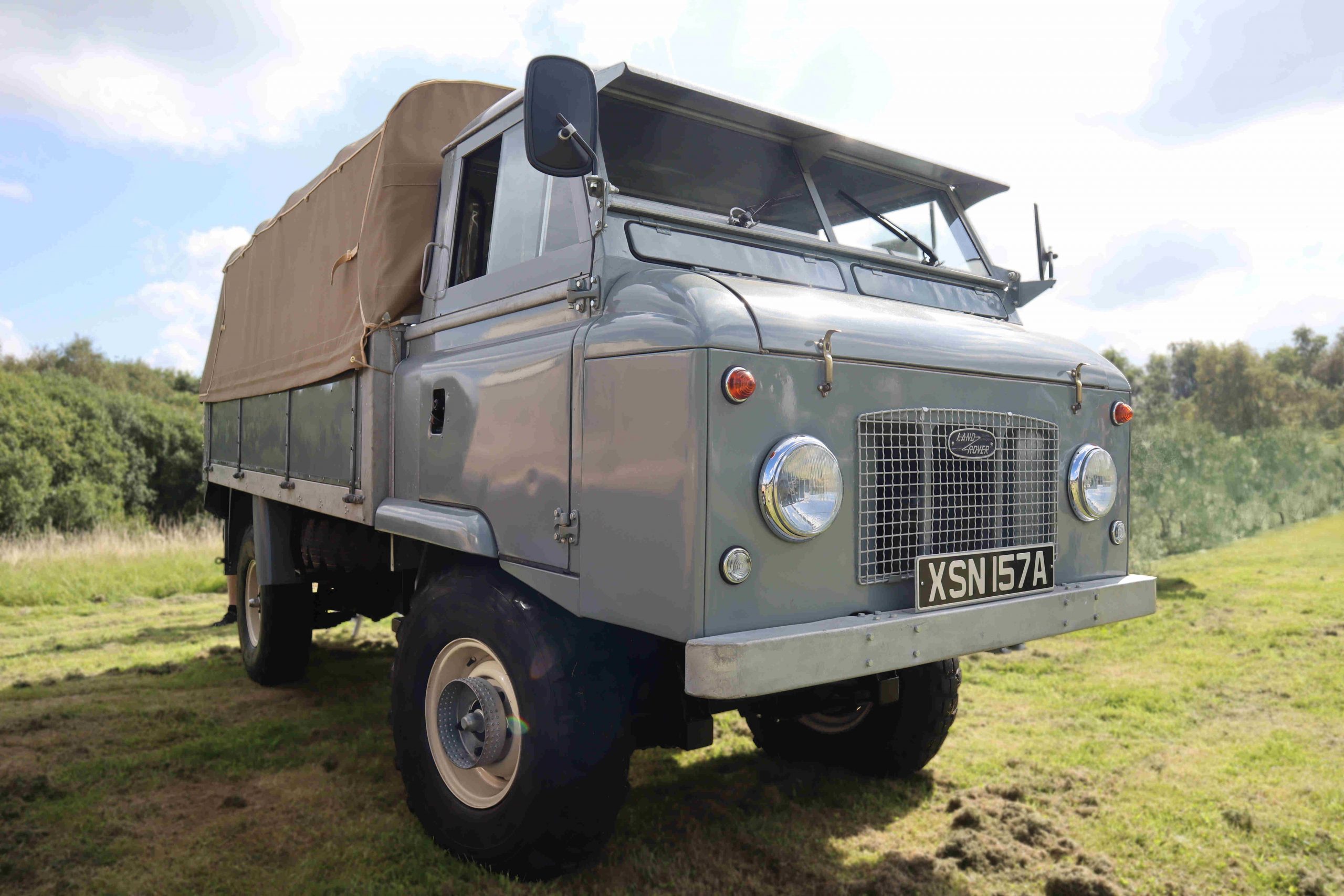
In order to provide a larger payload, Land Rover introduced the Forward Control. Basically a 109” Land Rover with a cab over the engine. Obviously, it was a bit more complicated that that in practice, but in essence, axles aside the Forward Control was mechanically similar to the normal control Land Rovers. Initially available with the 2.25 litre petrol engine, the 2.6 litre was made available in 1963.
Series 2B – 110” Forward Control
1967to 1972
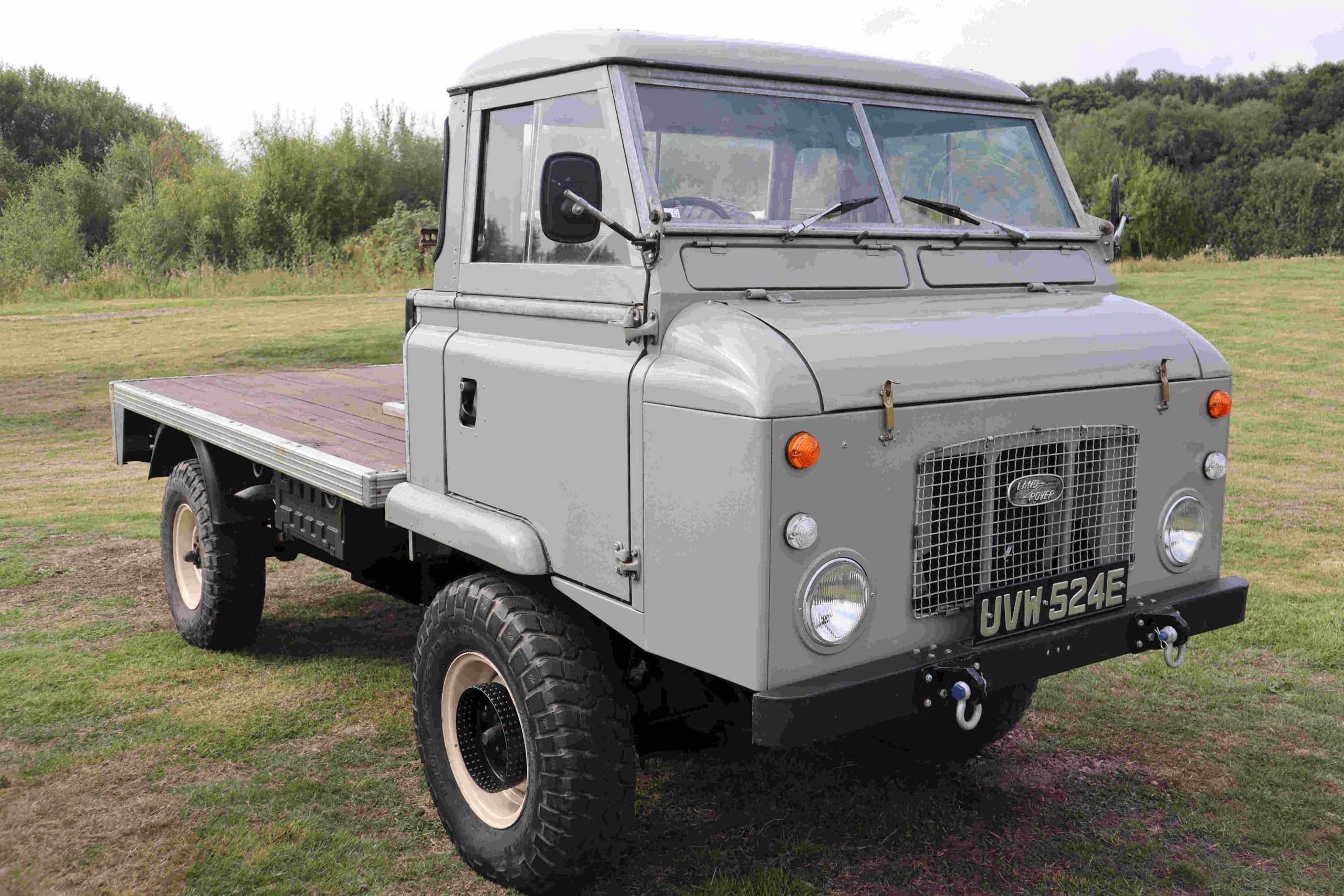
With wider axles and a longer wheelbase, the Series 2B Forward control had better stability than the 2A Forward control. Along with the same petrol engine options as the before, the 2B could also be fitted with the 2.25 litre diesel option.
1 Ton
1968 to 1978
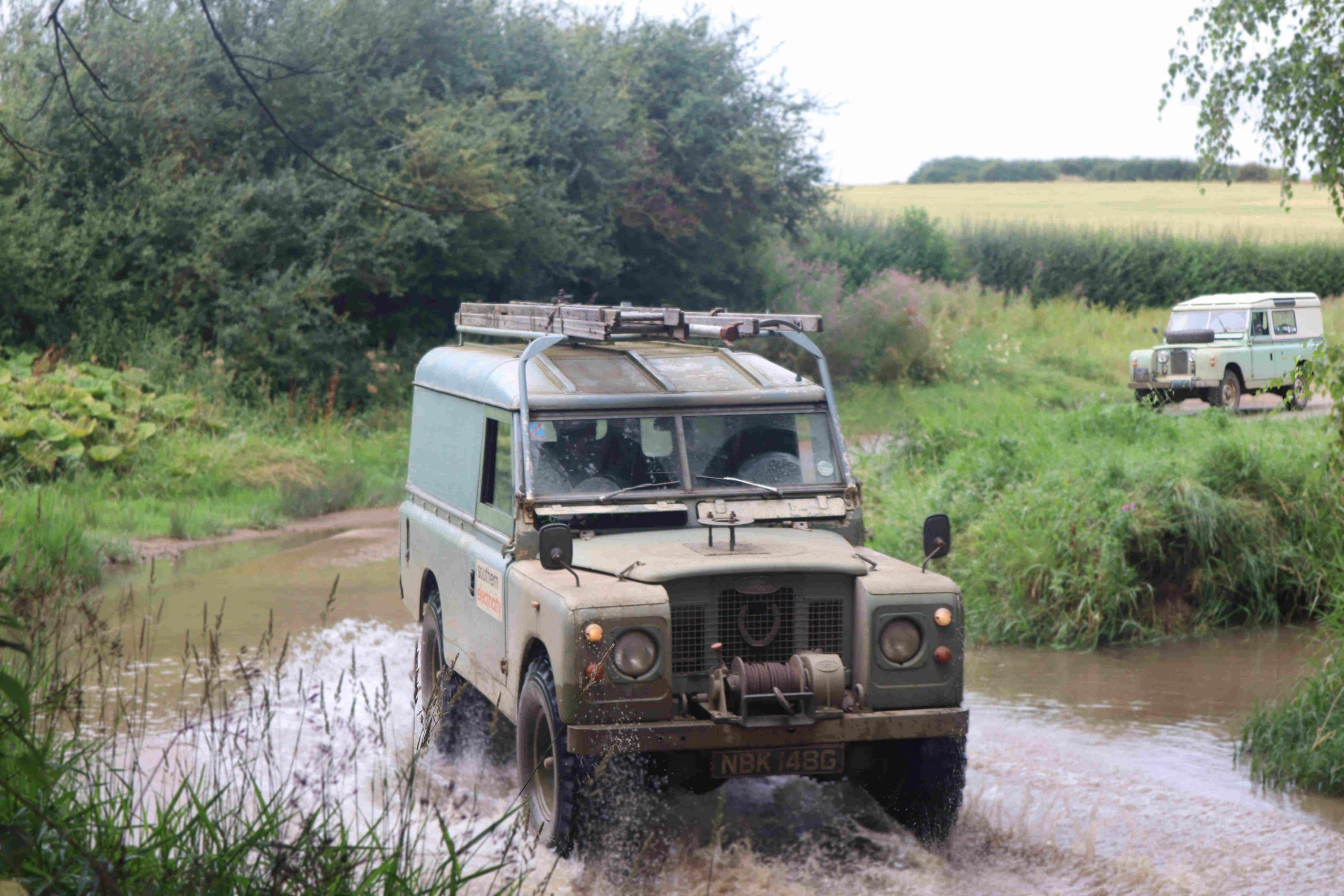
The 1 Ton Land Rover was developed to meet the needs of those who wanted a larger payload but didn’t want to have a forward control. Only available on the 109” Chassis, it featured the 6-cylinder petrol engine and had larger tyres, raised / stronger suspension and heavy-duty axles. It was available in both Series 2A and Series 3 models.
1/2 Ton
1968 to 1985
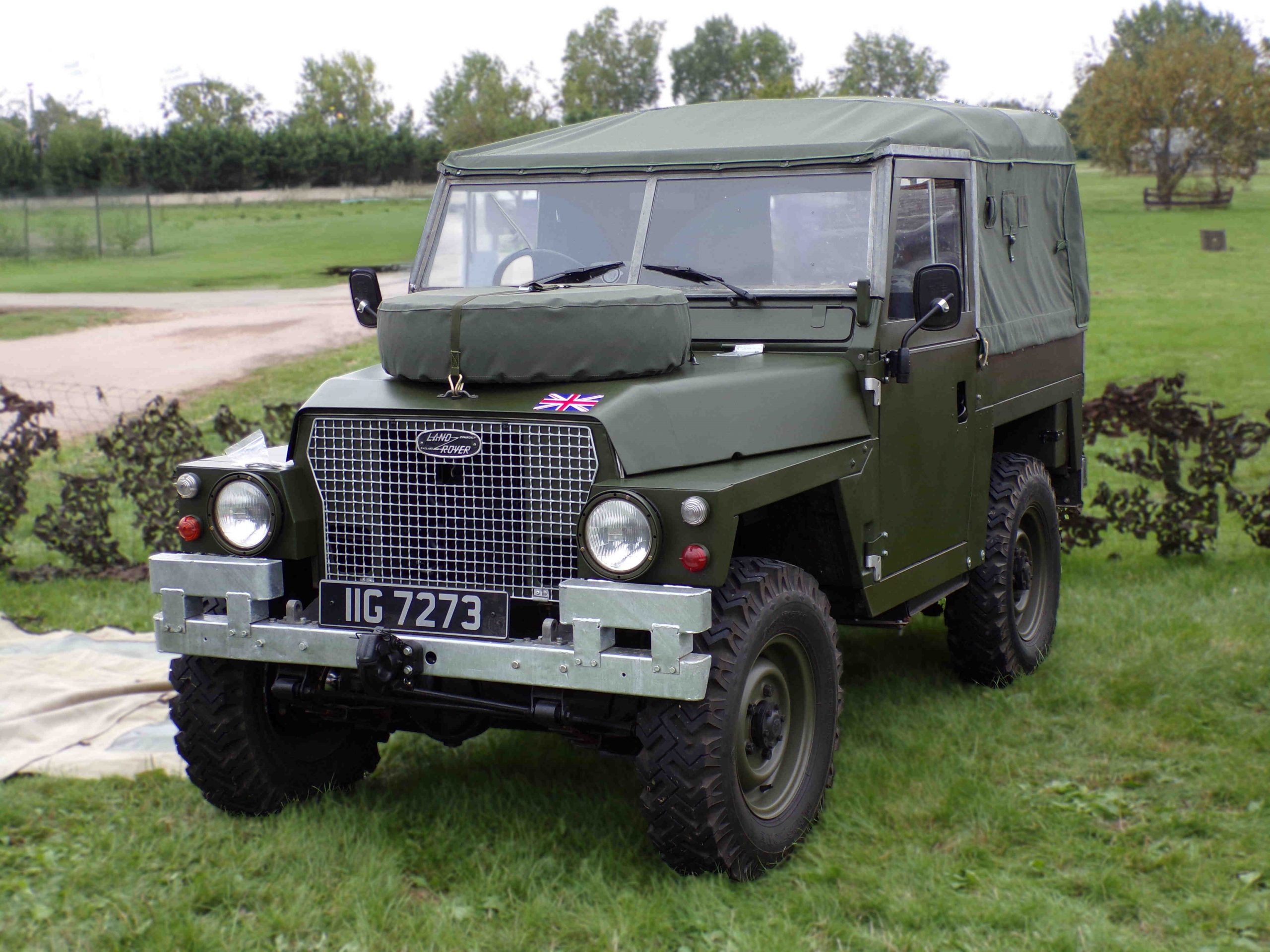
To meet the weight limits of the helicopters of the time, Land Rover developed a special 88” Land Rover that featured easy to remove body panels so it could be stripped and transported where needed, by helicopter. Only ever available to the military most variants featured the 2 ¼ litre petrol engine, however a number of diesels were made for the Dutch military. It was made in both Series 2A and Series 3 models.
Range Rover
1969 to 1996
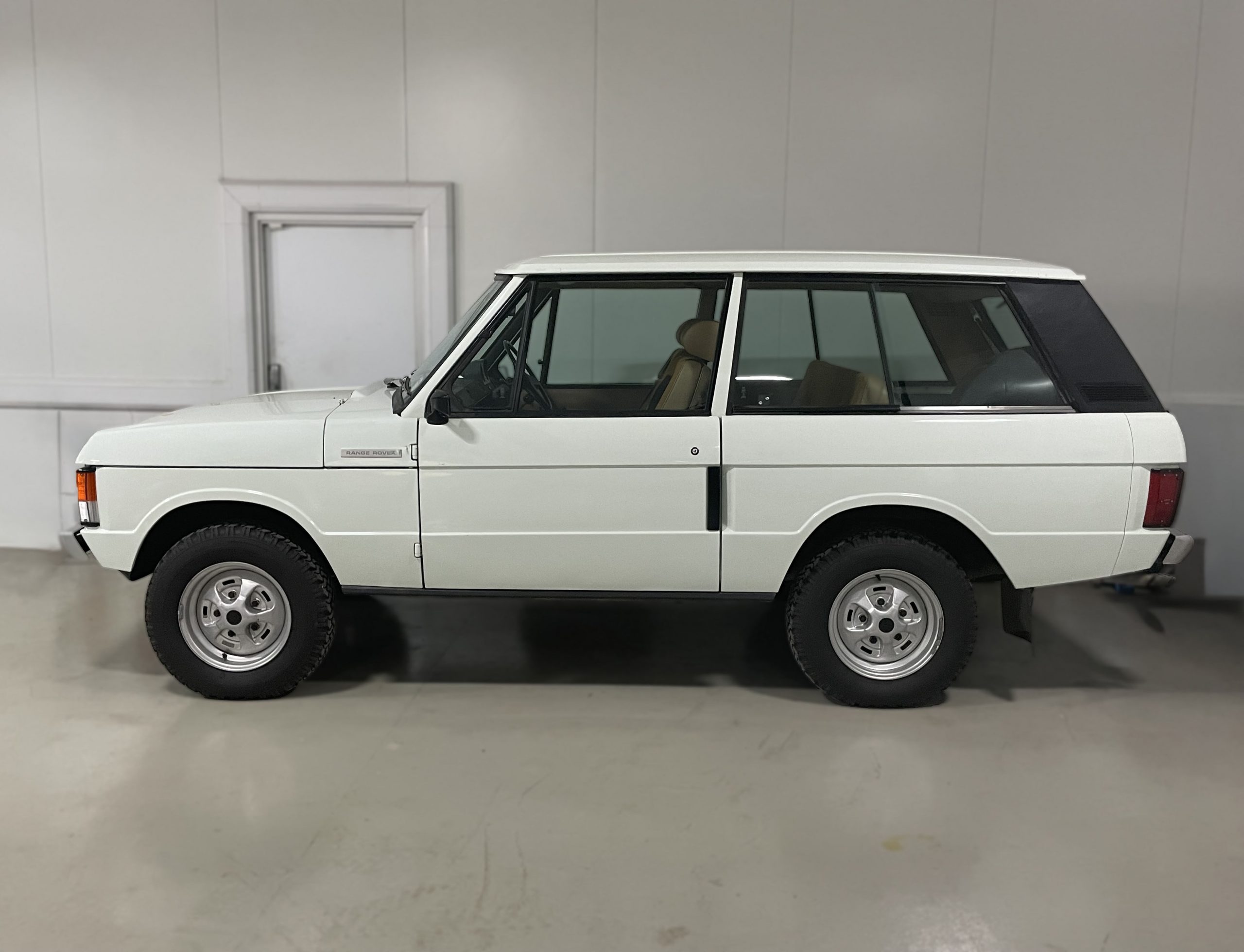
The Range Rover was developed to be less utilitarian than the Series Land Rover. With a coil spring suspension set up and a 3.5 litre V8 petrol engine up front this was a completely different vehicle to what Land Rover had produced to date. With one of the longest production runs of any vehicle, the Range Rover was iconic. Over the years the vehicle was developed to become a luxury SUV but, retain the off-road performance attributed to the Land Rover brand. Over its life it was available as a four door, offered turbo diesel and different V8 petrol versions and even had a long wheelbase variant called the LSE. After the introduction of the P38a the original Range Rover was referred to as the Classic.
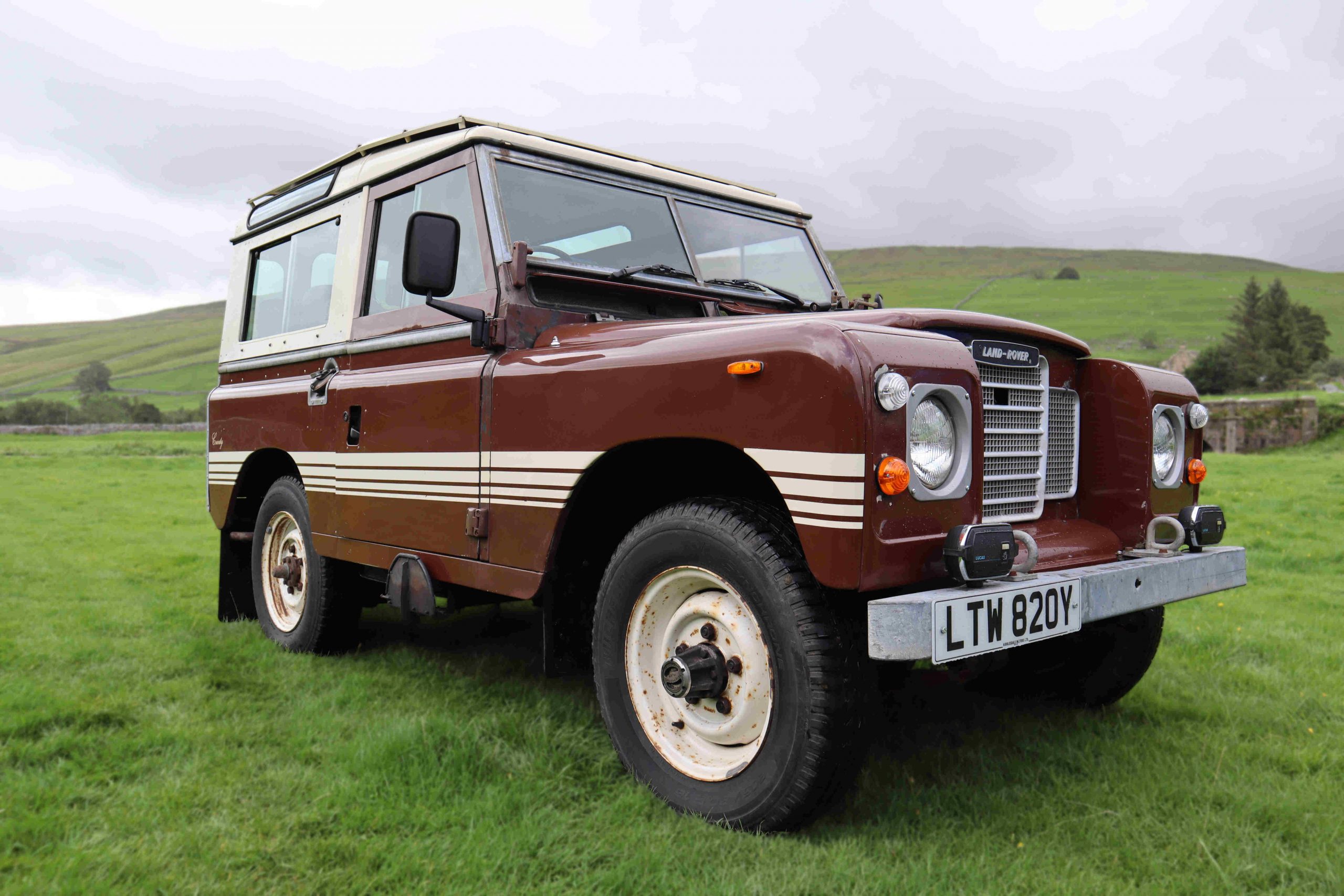
Series 3 – 88”
1971 to 1985
The final swan song for the leaf sprung Land Rover, the Series 3, was little more than an evolution of the Series 2A. Recognisable by its all-plastic front grill, the Series 3 featured a dashboard and full synchromesh on the gearbox.
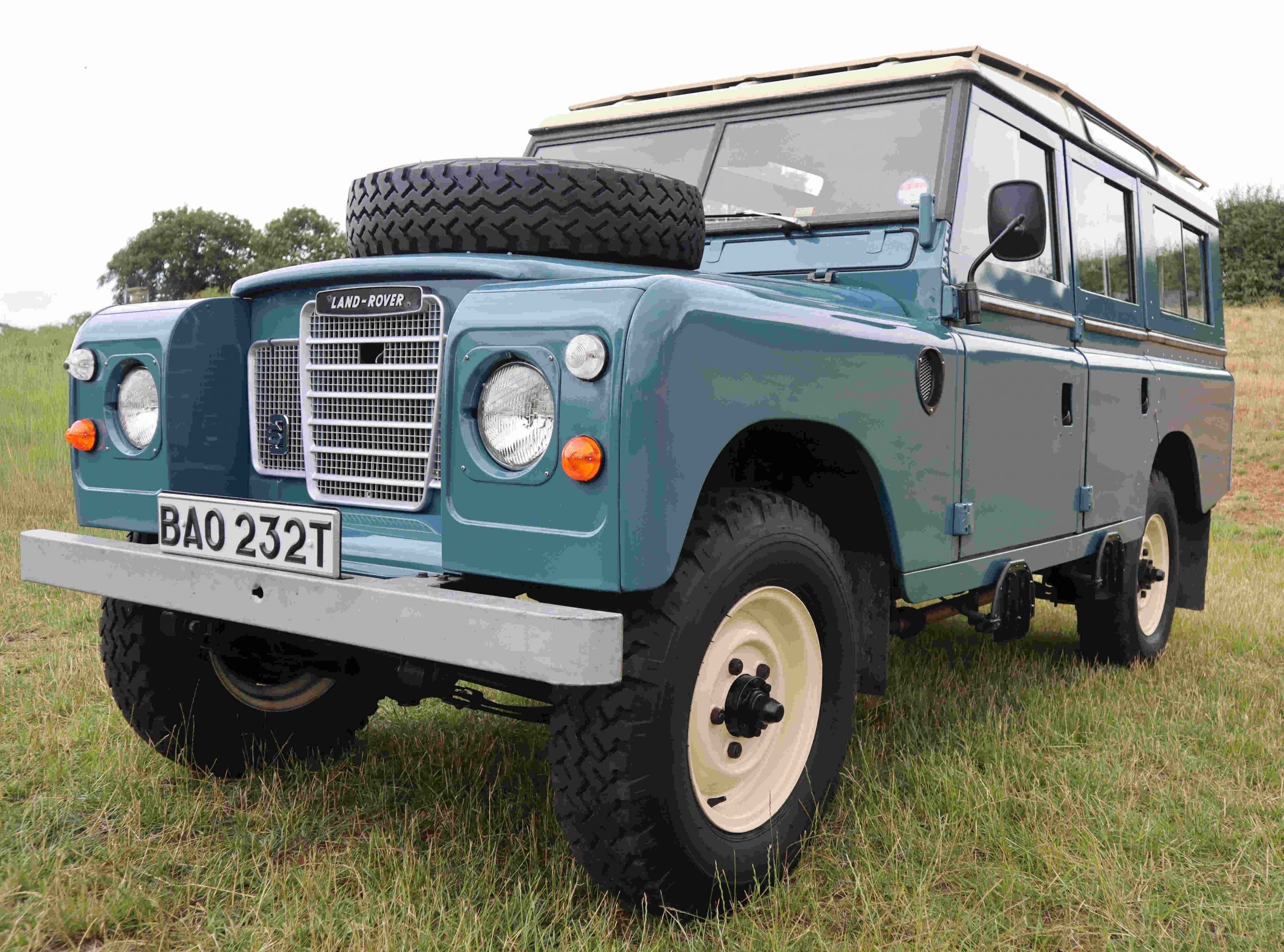
Series 3 – 109”
1971 to 1985
Amongst the styling changes for the Series 3 were the windscreen and door hinges. Flatter, more elegant designs were now used. Another notable difference was the heater vent which was now located through the wing.
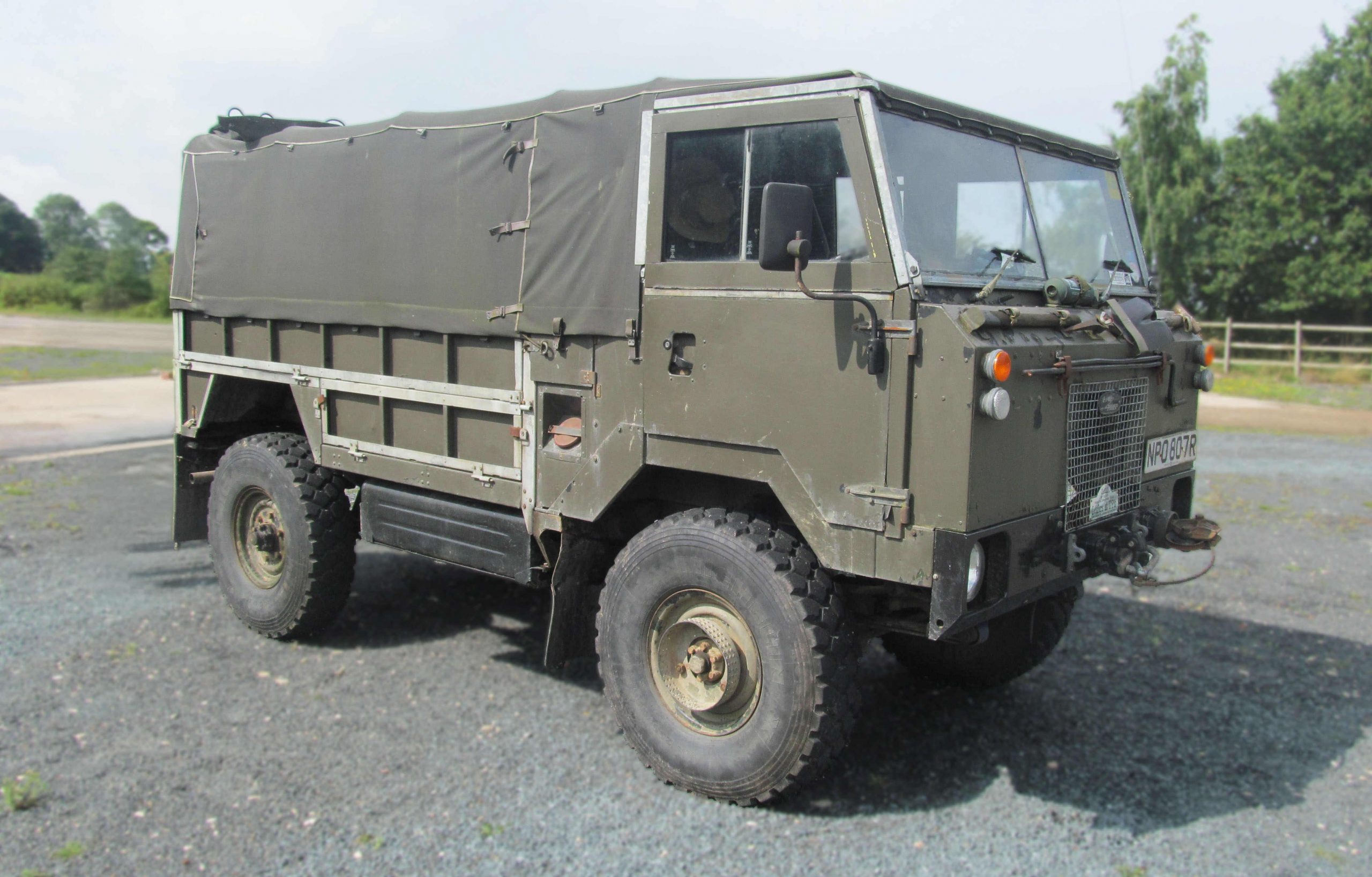
101” Forward Control
1975 to 1977
The 101 Forward control was developed solely for the military and as such was never available to purchase new by the public. Featuring the same V8 engine and 4 speed manual gearbox as the Range Rover, this military vehicle was a completely different proposition. It remains to this day as the only production Land Rover to feature 6-wheel studs.
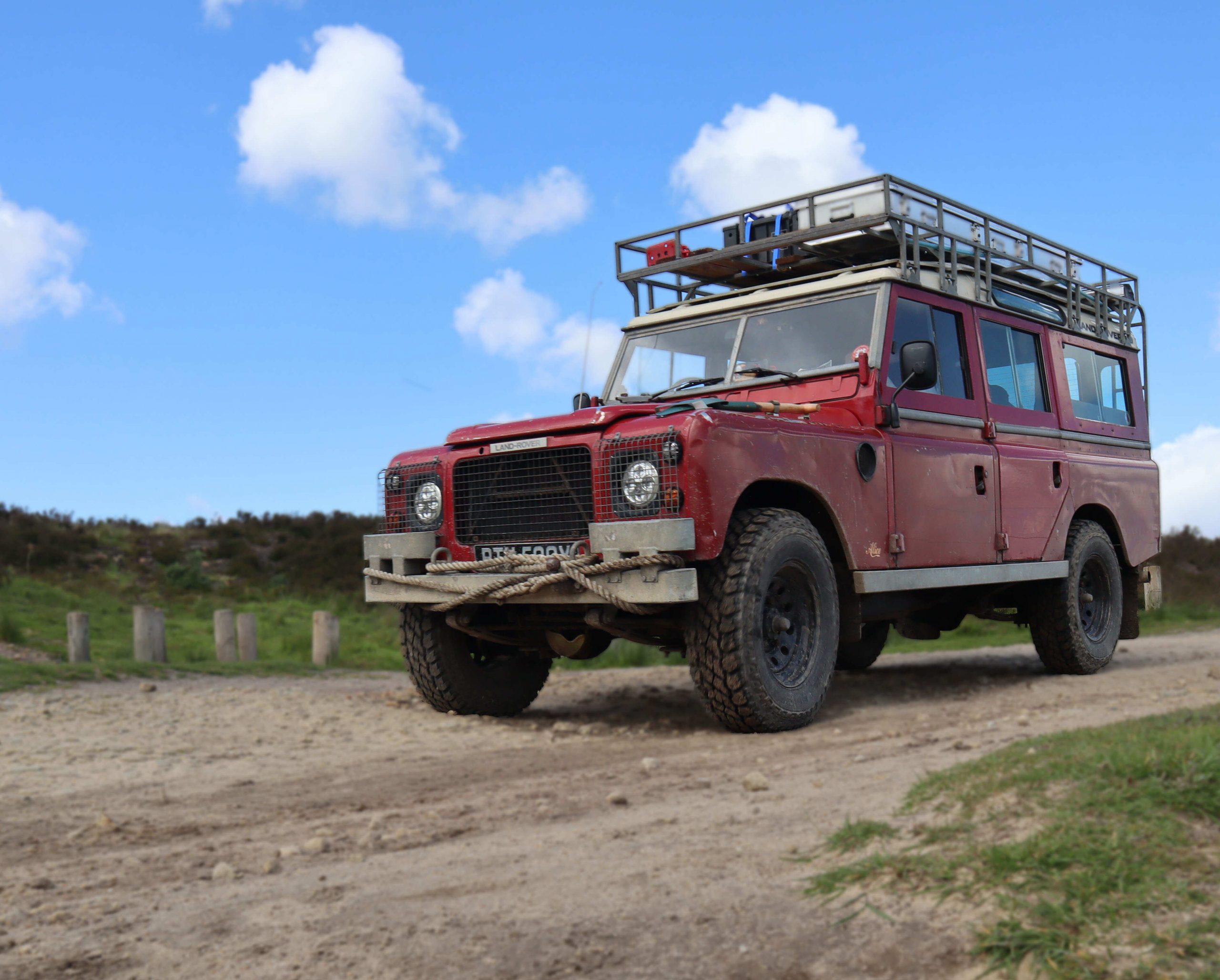
Series 3 – Stage 1
1978 to 1985
Once the V8 petrol was introduced in the Range Rover, then the 101, it was only a matter a time before it would appear in a series Land Rover. Replacing the 6-cylinder petrol option, the V8 was only made available in the 109” chassis although some prototype 88” versions were built.
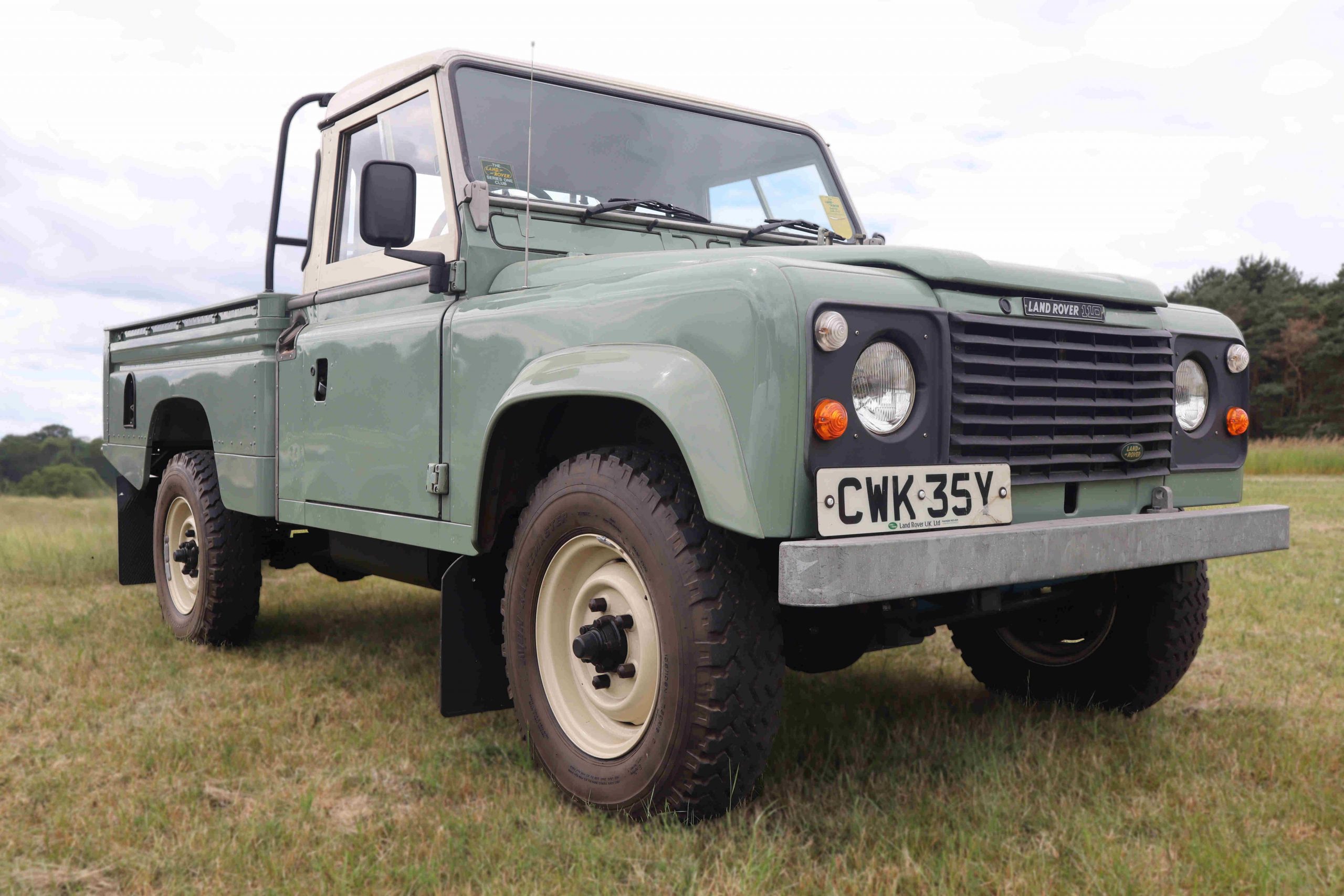
One Ten
1983 to 1990
The development for a coil sprung Land Rover started in 1977, but it was until 1983 that the first production variant was launched. Called the OneTen (due to its wheelbase) it was to replace the Series 3 Long wheelbase. Featuring coils suspension and a 5-speed gearbox the OneTen had a more modern feel.
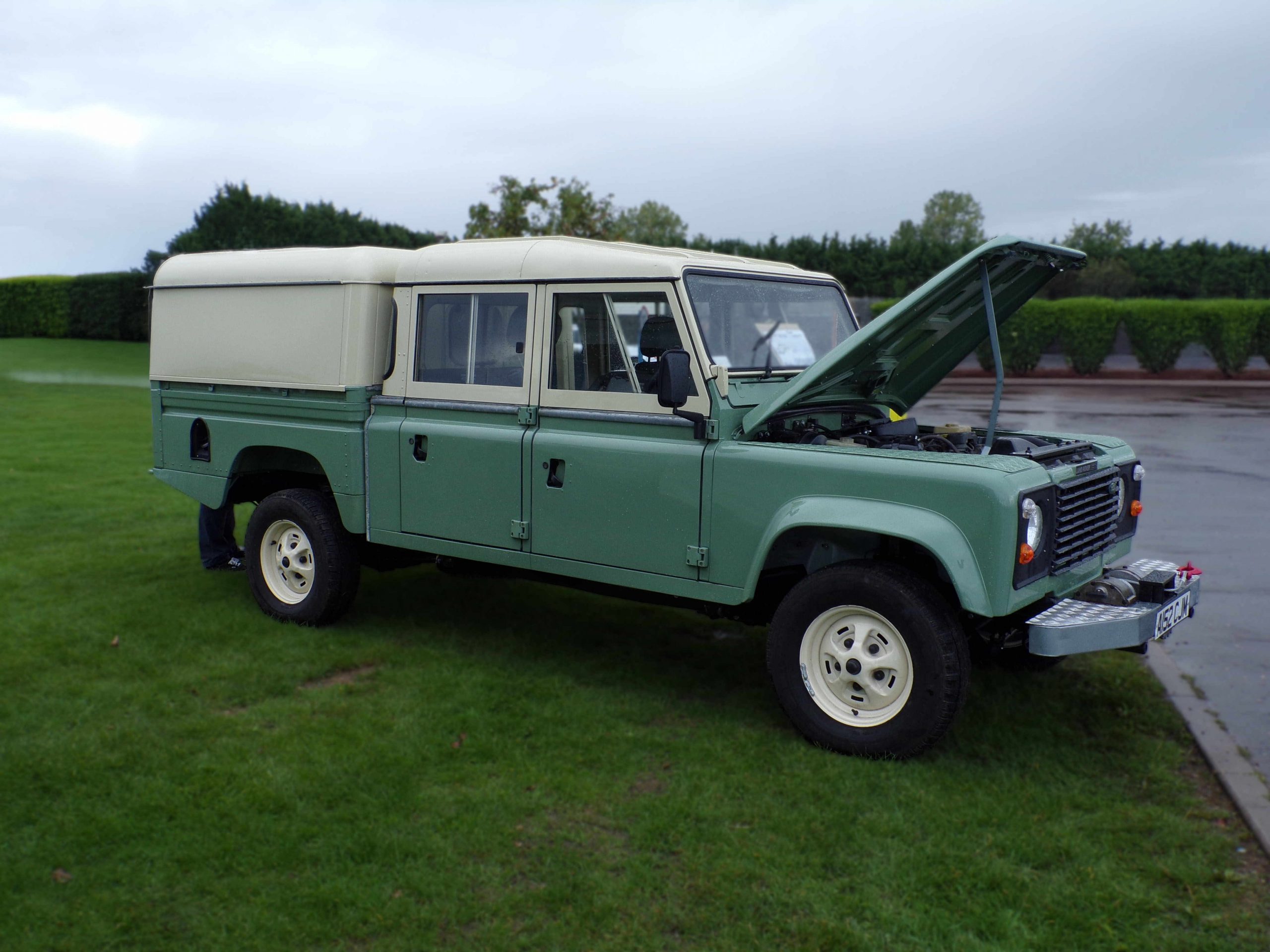
One Two Seven
1983 to 1990
Initially launched as a variant to the OneTen, the OneTwoSeven was eventually recognised as its own model. With a wheelbase of 127” it was available as a chassis Cab both two and four doors, or as this crew cab. The is example has several non-standard features such as the winch bumper, the Range Rover wheel and a roof on the pickup bed.
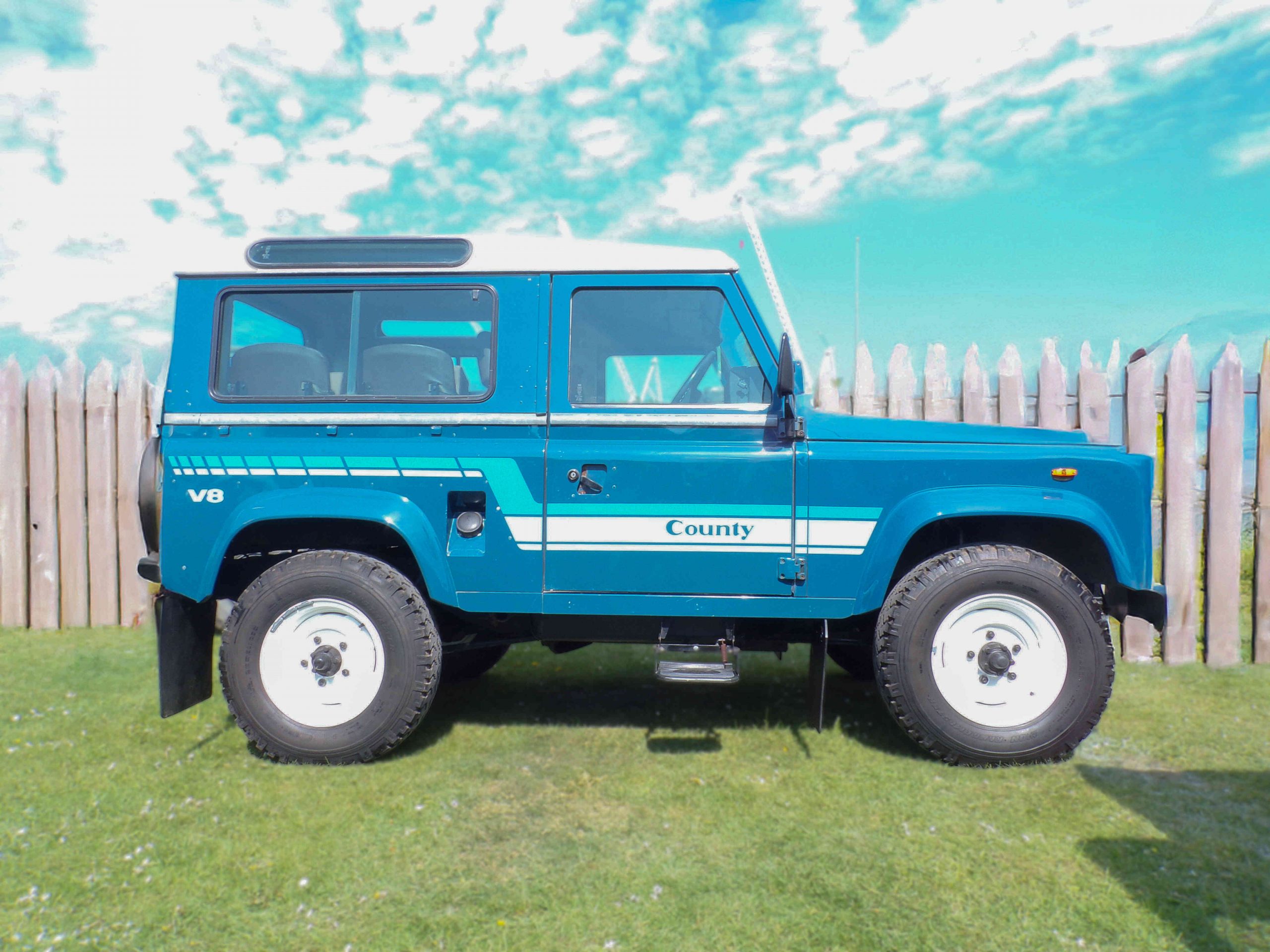
Ninety
1984 to 1990
Launched the following year to the OneTen, the Ninety replaced the short wheelbase Series 3. Unlike the OneTen and OneTwoSeven, the wheelbase wasn’t exactly the same as its name. The Ninety had a 92.9-inch wheelbase. It was also the first production short wheelbase Land Rover to be fitted with the V8 engine.
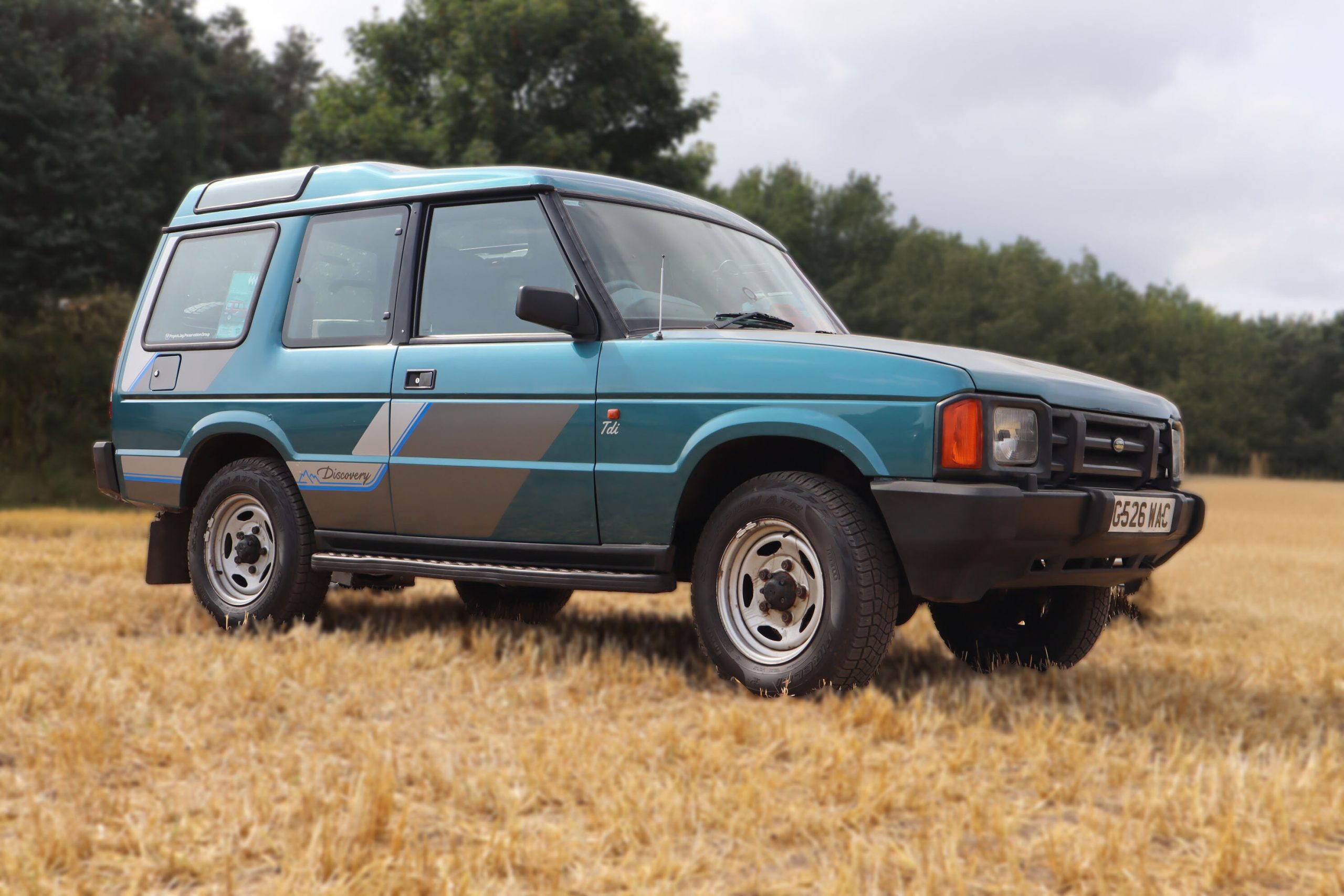
Discovery
1989 to 1999
The Land Rover Discovery was introduced to fill the gap between the utility Land Rover and the more upmarket Range Rover and was designed to compete with the ever-growing number of lifestyle SUV’s entering the market. Based on the Range Rover chassis it featured an all-new Turbo Diesel engine. Initially available as a three door, five- or seven-seater, a five-door version was launched in 1991. The model was later updated with the 300 Tdi engine and a mild make over of the lights and grill.
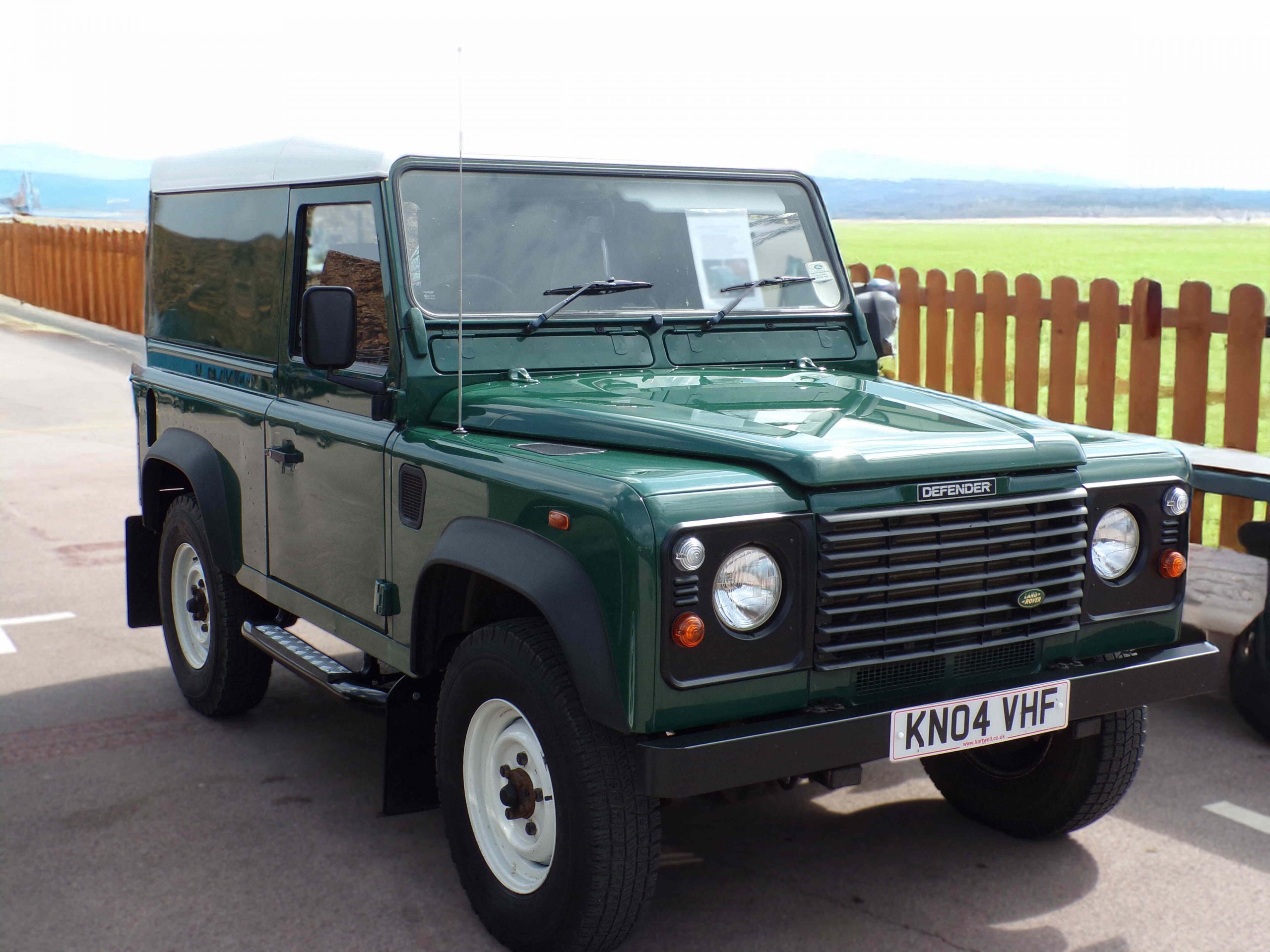
Defender 90
1990 to 2016
Once the Land Rover Discovery was launched, it was decided to give the trusty old Land Rover its own name, Defender. Launched with the same new Turbo Diesel as the Discovery (The 200 Tdi), the name Defender became synonymous with the coil Sprung Land Rover.
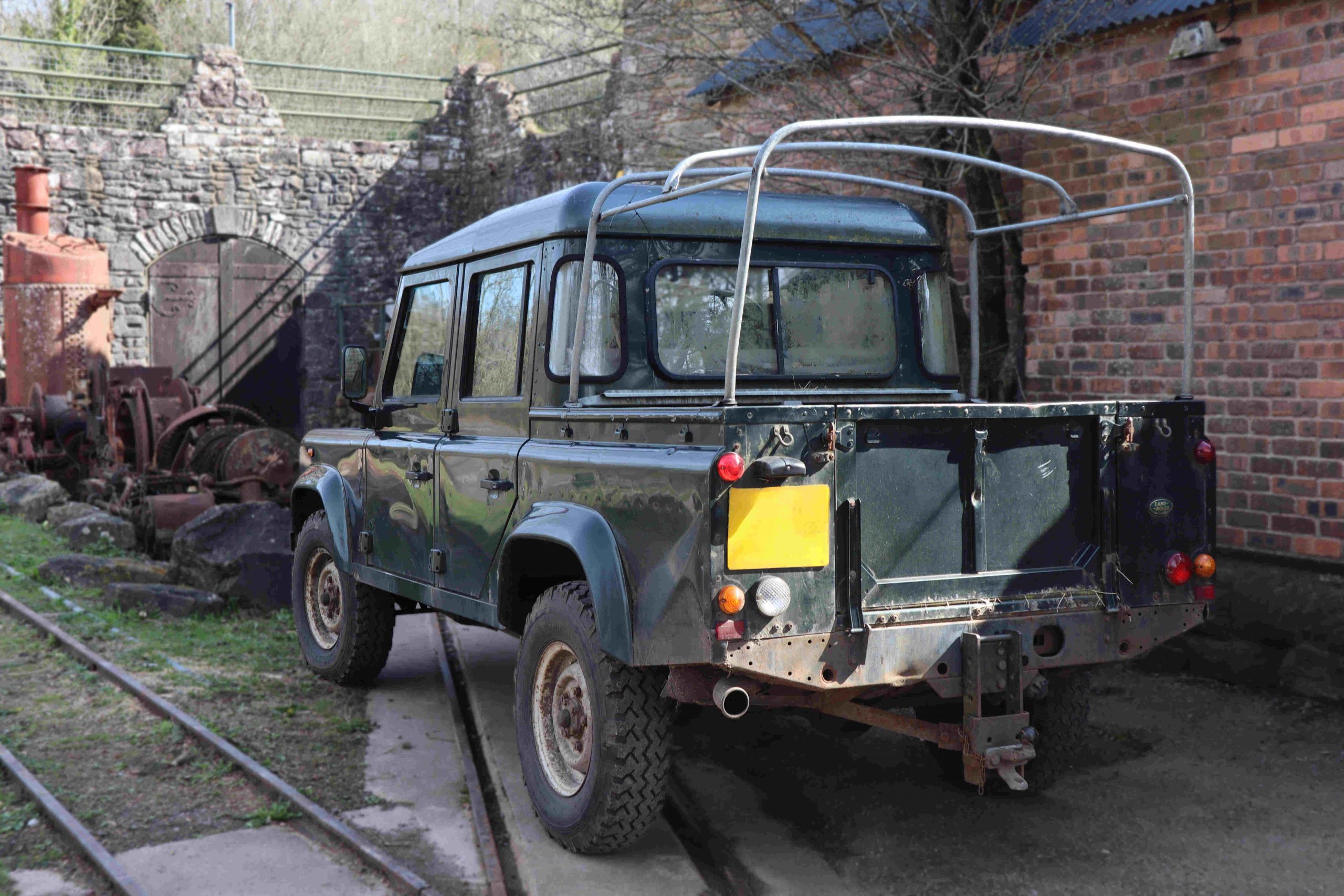
Defender 110
1990 to 2016
Over the years the engine was change to the newer 300 Tdi version and the gearbox updated to the R380 five speed unit. During this period a new body style was introduced for the Defender 110. A four-door crew cab was introduced in 2001.
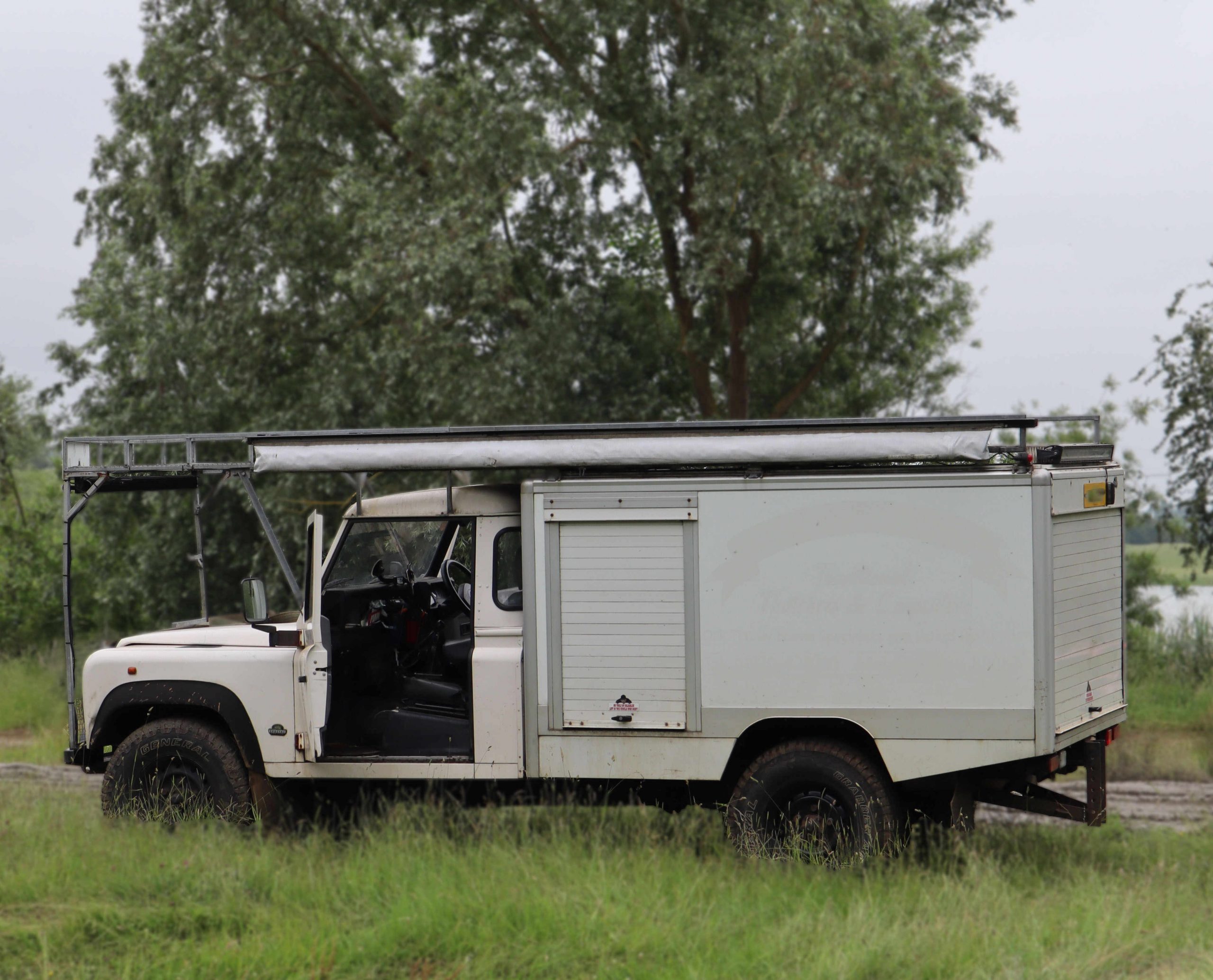
Defender 130
1990 to 2016
The Defender 130 was still the same size as the OneTwoSeven but rebranded to sound better. Along with the entire Defender range the Defender 130 was given an all new five cylinder Turbo Diesel engine called the Td5 in 1999.
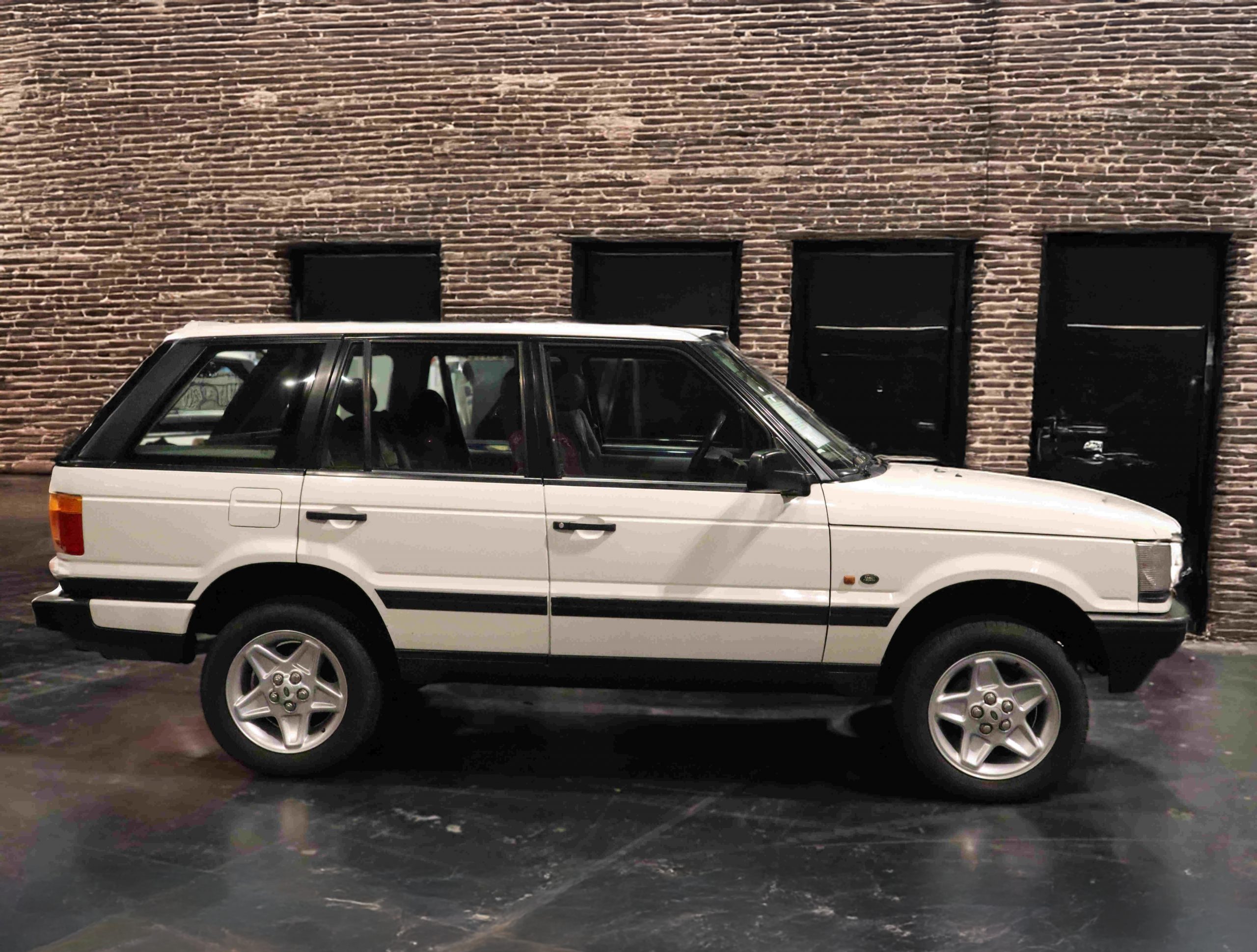
Range Rover P38a
1994 to 2001
Launched in 1994, the second-generation Range Rover was made along side the Range Rover Classic for two years, such was the demand for the old model. The P38a was still recognisable as a Range Rover, however. The suspension could be had with air bags rather than coils springs giving a smoother ride. The V8 engine could also be had in 4.6 Litre guise, the largest capacity the old Rover engine was ever supplied in a production vehicle.
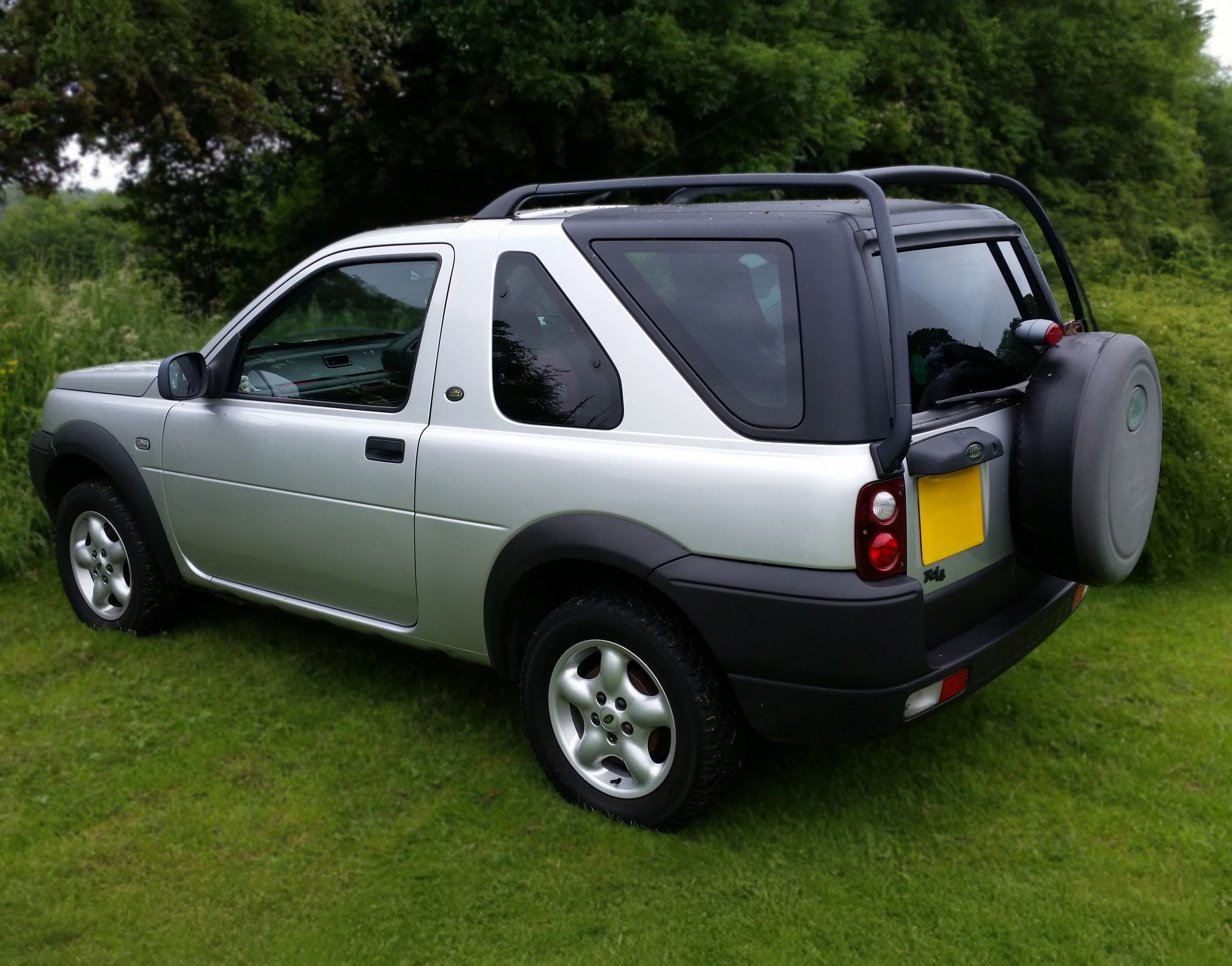
Freelander 1
1998 to 2006
When it first appeared in 1998, the Freelander was quite unlike anything Land Rover had produced before and was aimed at a completely different market, the Soft Roader. A vehicle with some of the capabilities of a large off-road vehicle but simpler. No low range gearbox or heavy sold axles. Instead, it was Land Rovers first monocoque vehicle and had independent suspension. When the going got tough clever electronics would stop the spinning wheels and ensure the torque went to where the grip was. Going down hill the driver selected hill descent control and let the vehicles ABS system ensure a smooth descent. This vehicle set the template for the future of Land Rovers. The Freelander was available as a five door or a three door with a removal rear section (Either soft top or hard top)
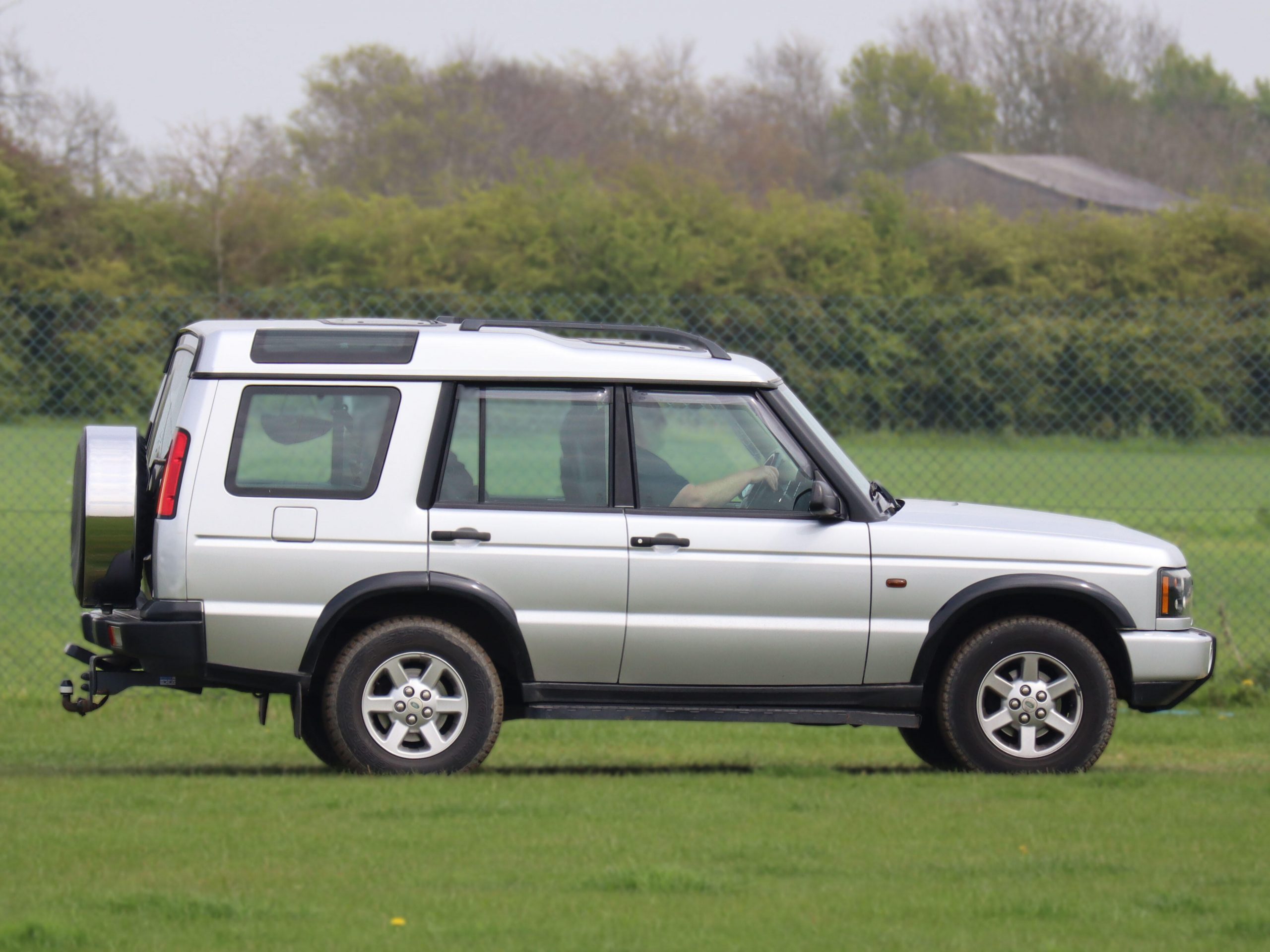
Discovery 2
1999 to 2004
Ten years after it was originally launched the original Discovery was replaced by the Discovery Series 2. The styling was similar to the out going model and it had the same 100” wheelbase, but the rear overhang was longer to accommodate two forward facing seats in the rear making it available as a seven-seater. The model was launched with an all new five-cylinder turbo diesel engine called the TD5 and would be had with rear air suspension.
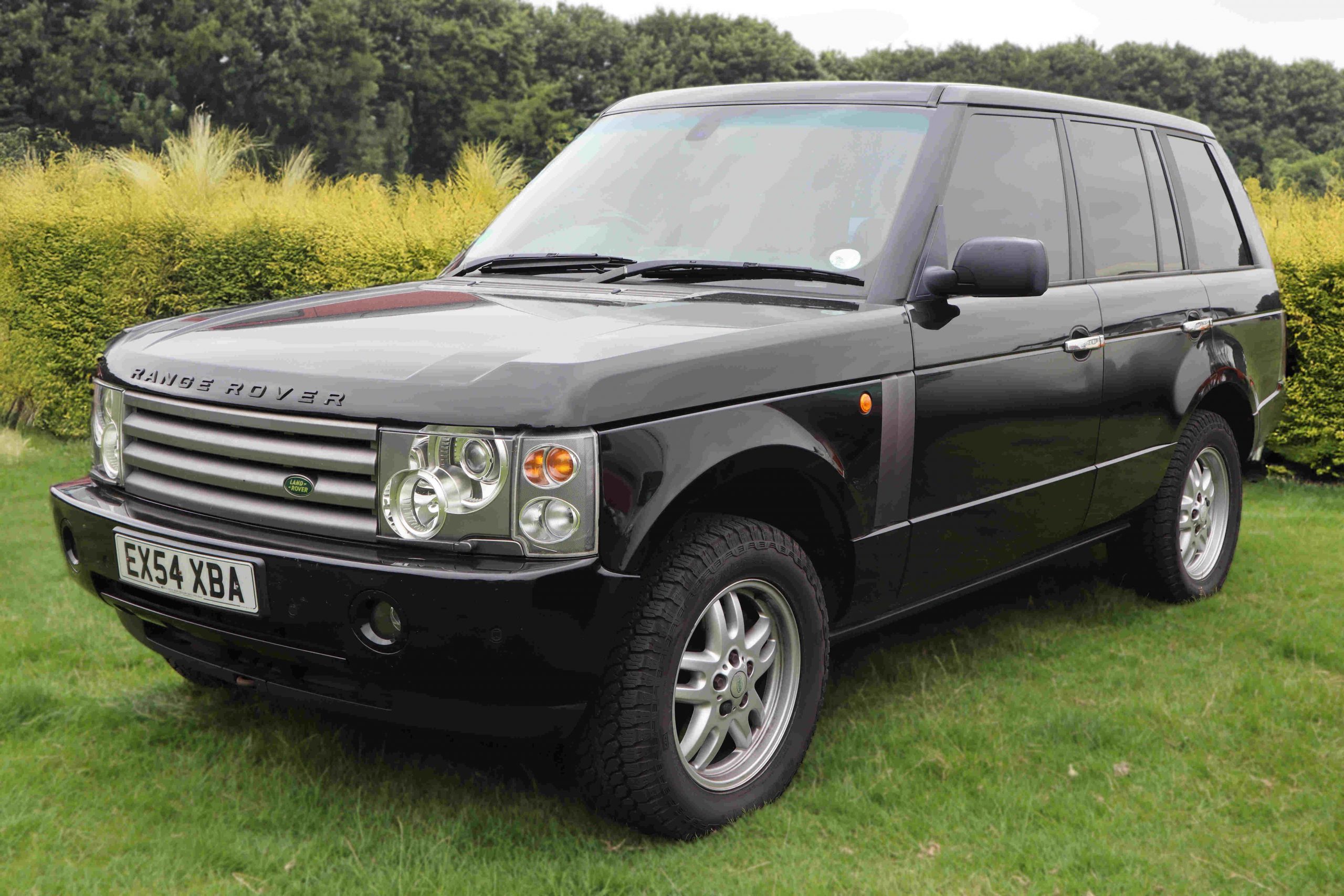
Range Rover L322
2001 to 2012
The L322 was a huge departure from the Range Rovers that came before it. Gone were the solid axles hung under a ladder chassis, replaced instead with a monocoque chassis and independent suspension that used air bags rather than coil springs. Still instantly recognisable as a Range Rover this took the brand further up market.
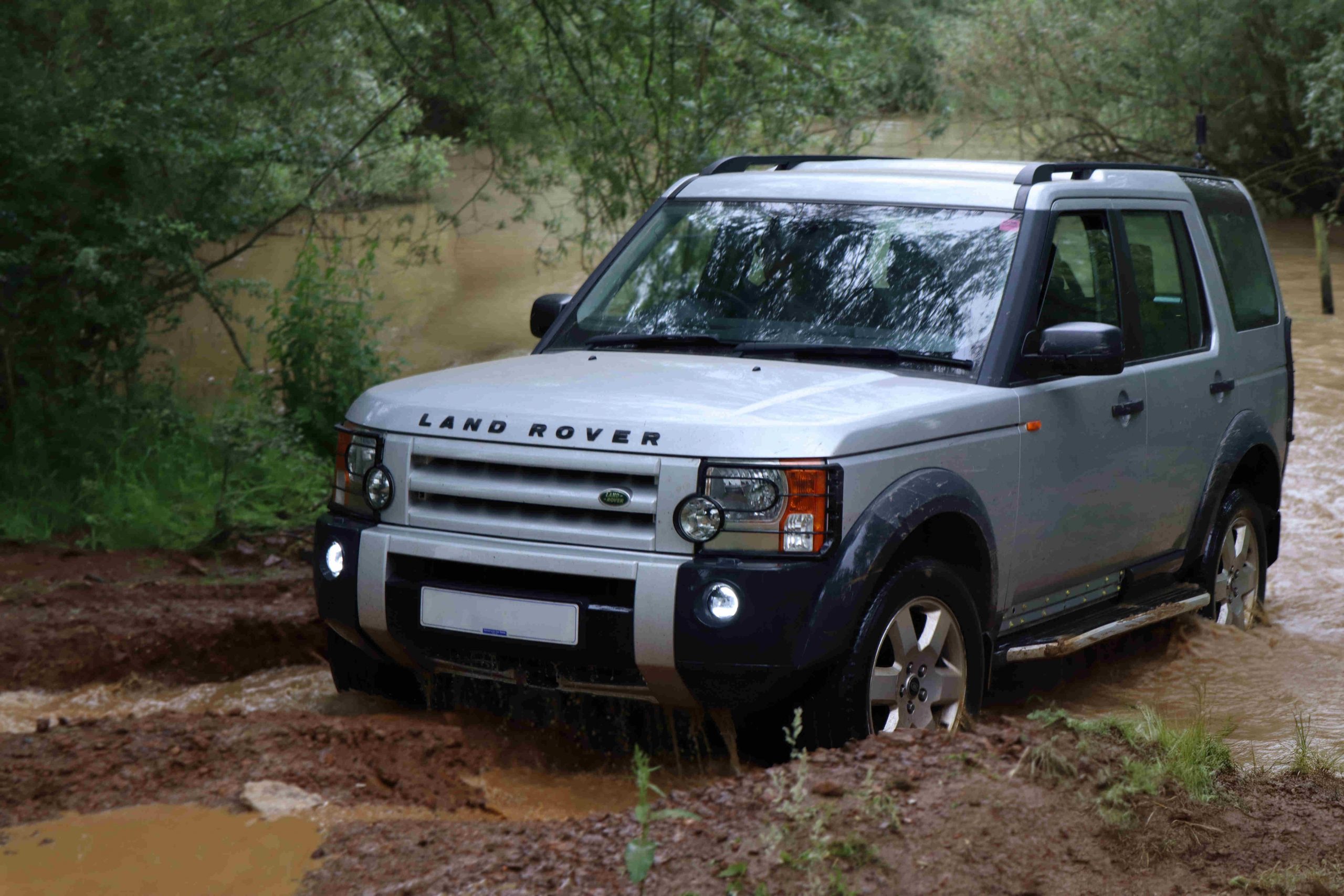
Discovery 3
2004 to 2009
Similar to the L322 Range Rover, the Discovery 3 was a step change over the Discovery 2. A modern looking 4 door body with rear tailgate was mounted to a chassis with independent suspension. This could either have adjustable air bags or traditional steel coils.
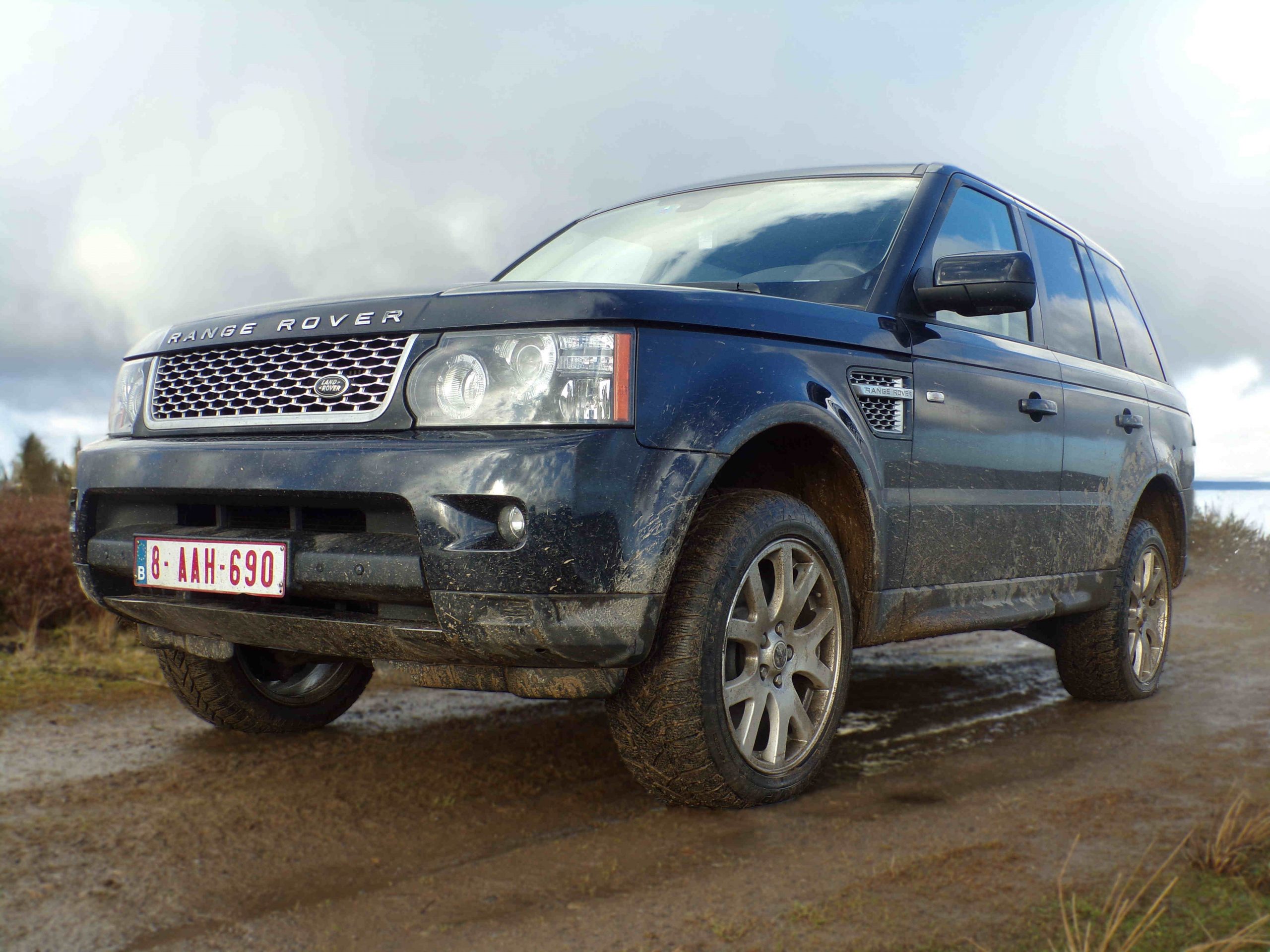
Range Rover Sport
2004 to 2012
In 2004 the Range Rover became a family of vehicles when the Range Rover sport was introduced. Styled on the Range Stormer concept vehicle and based on Discovery 3 underpinnings, the body still looked like a Range Rover. To live up to the sport name the 4.2 litre supercharged V8 from Jaguar was available at launch.
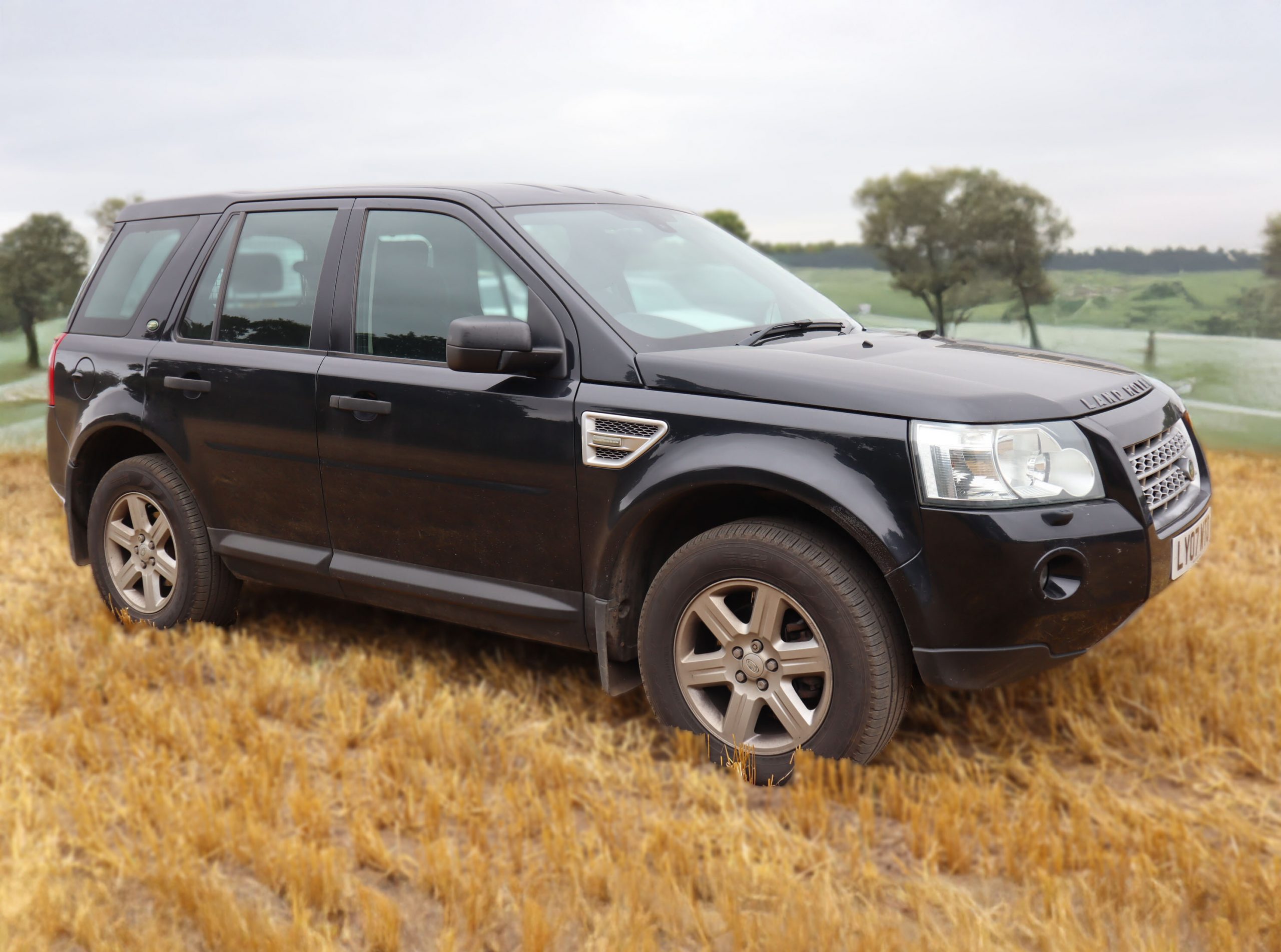
Freelander 2
2006 to 2014
When the Freelander was introduced, it was a total departure for Land Rover. Based on a Ford Mondeo platform and fitted with either a PGA turbo diesel or Volvo petrol engine the Freelander 2 was a more upmarket vehicle than the one which preceded it.
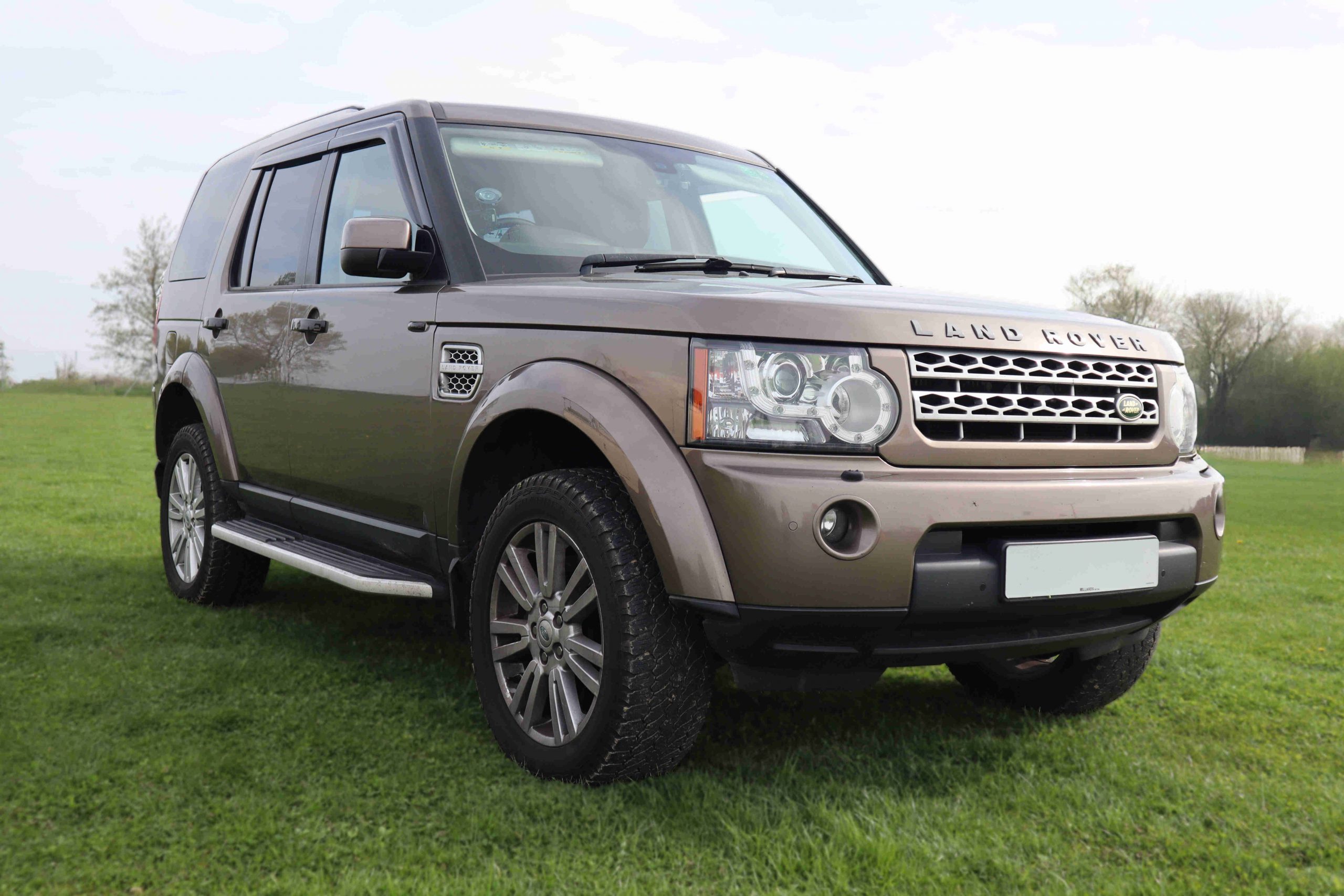
Discovery 4
2009 to 2016
Visually the Discovery 4 was very similar to the Discovery 3 but with a styling make over. The original 2.7 litre Jaguar turbo diesel engine was replaced by an updated 3.0 litre (In all but the most basic of models).
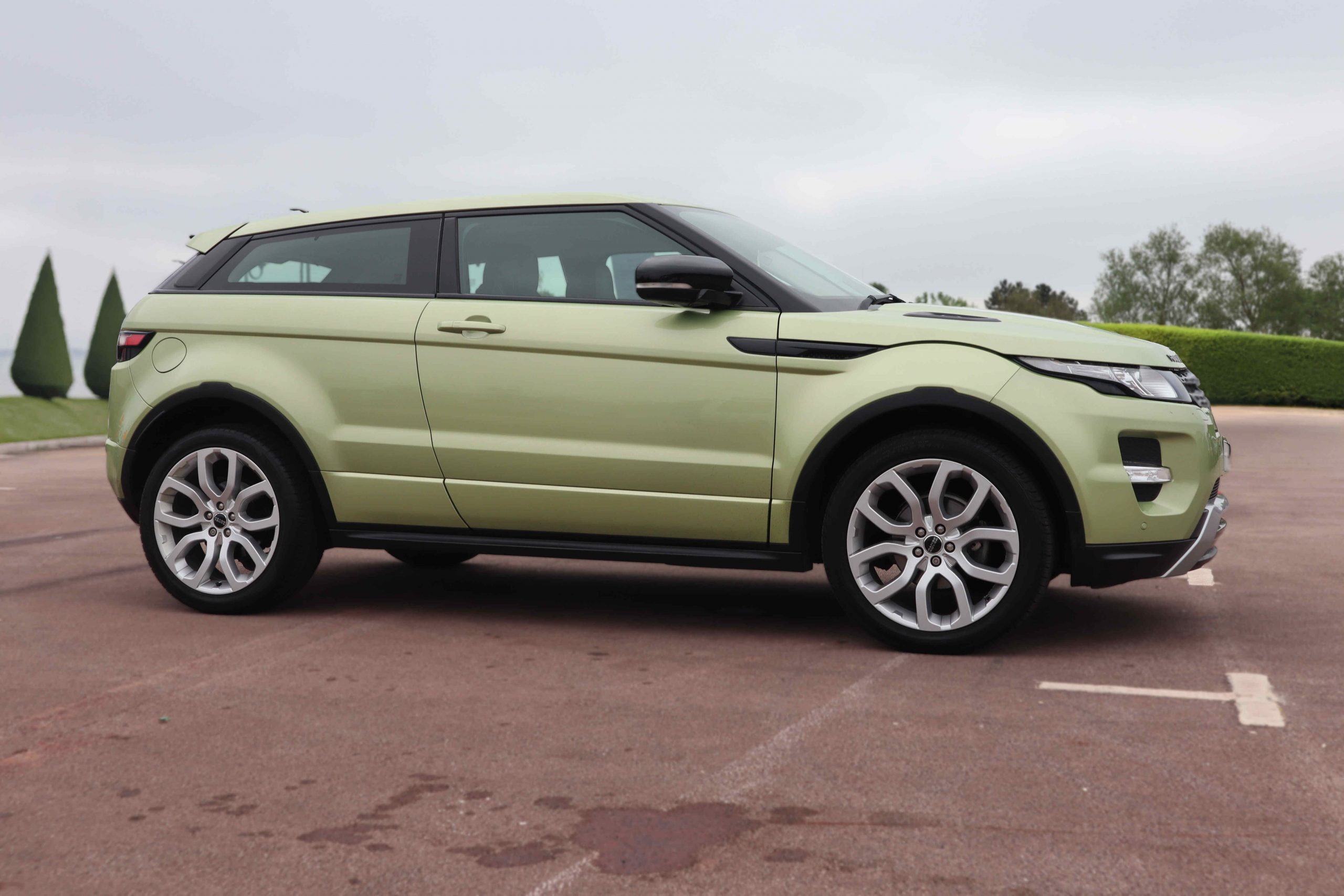
Range Rover Evoque
2011 to 2018
Originally badged as the Land Rover LRX concept vehicle the Evoque became a fashion icon for those not familiar with the brand. Based on the Freelander 2 it was a sleek and stylish vehicle with an interior to suit the Range Rover name.
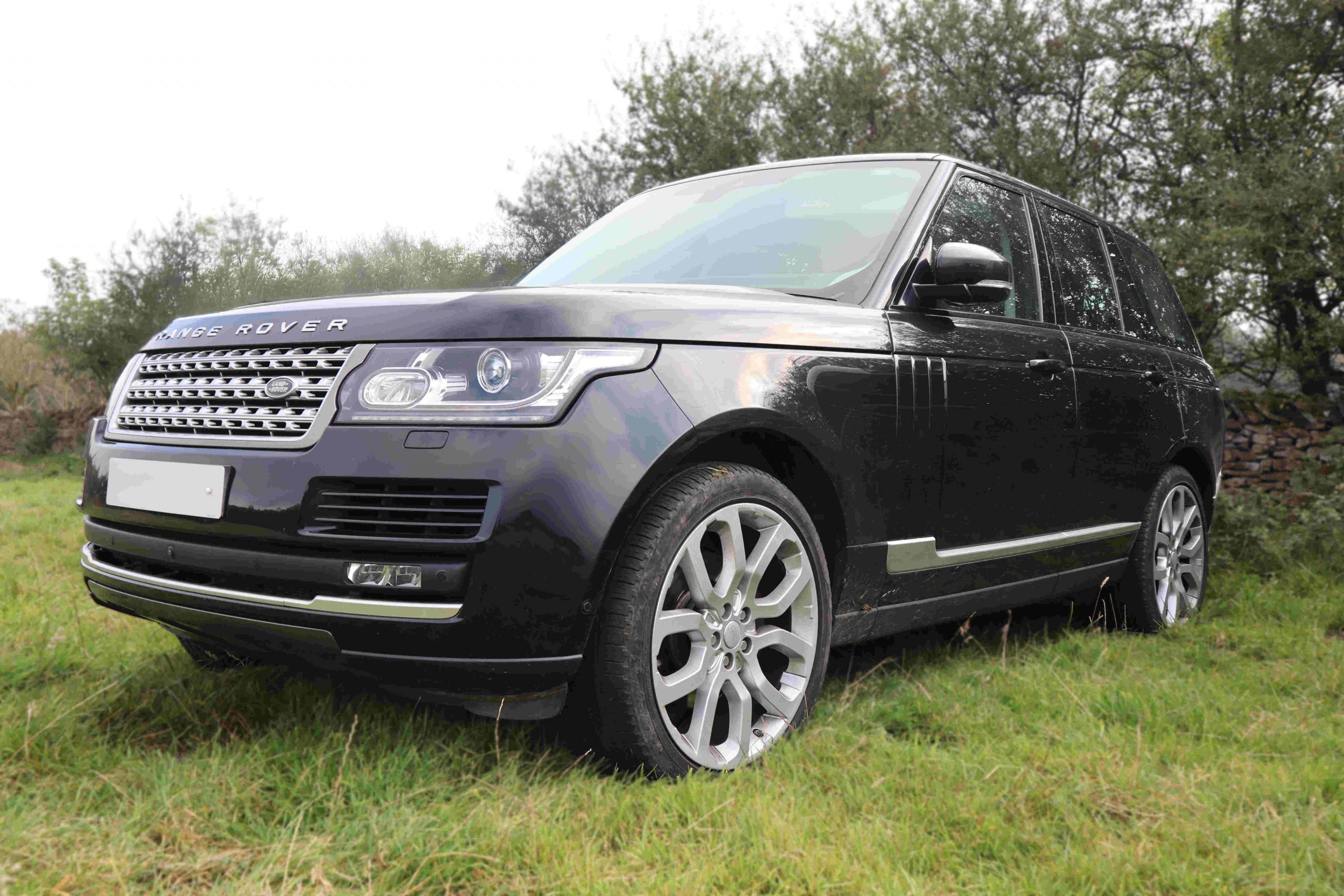
Range Rover L405
2012 to 2021
The headline figure when the L405 was launched was the 400 kg saving in weight over the L322. Once again, the styling was unmistakably Range Rover, but once again the technology and interior moved it further upmarket.
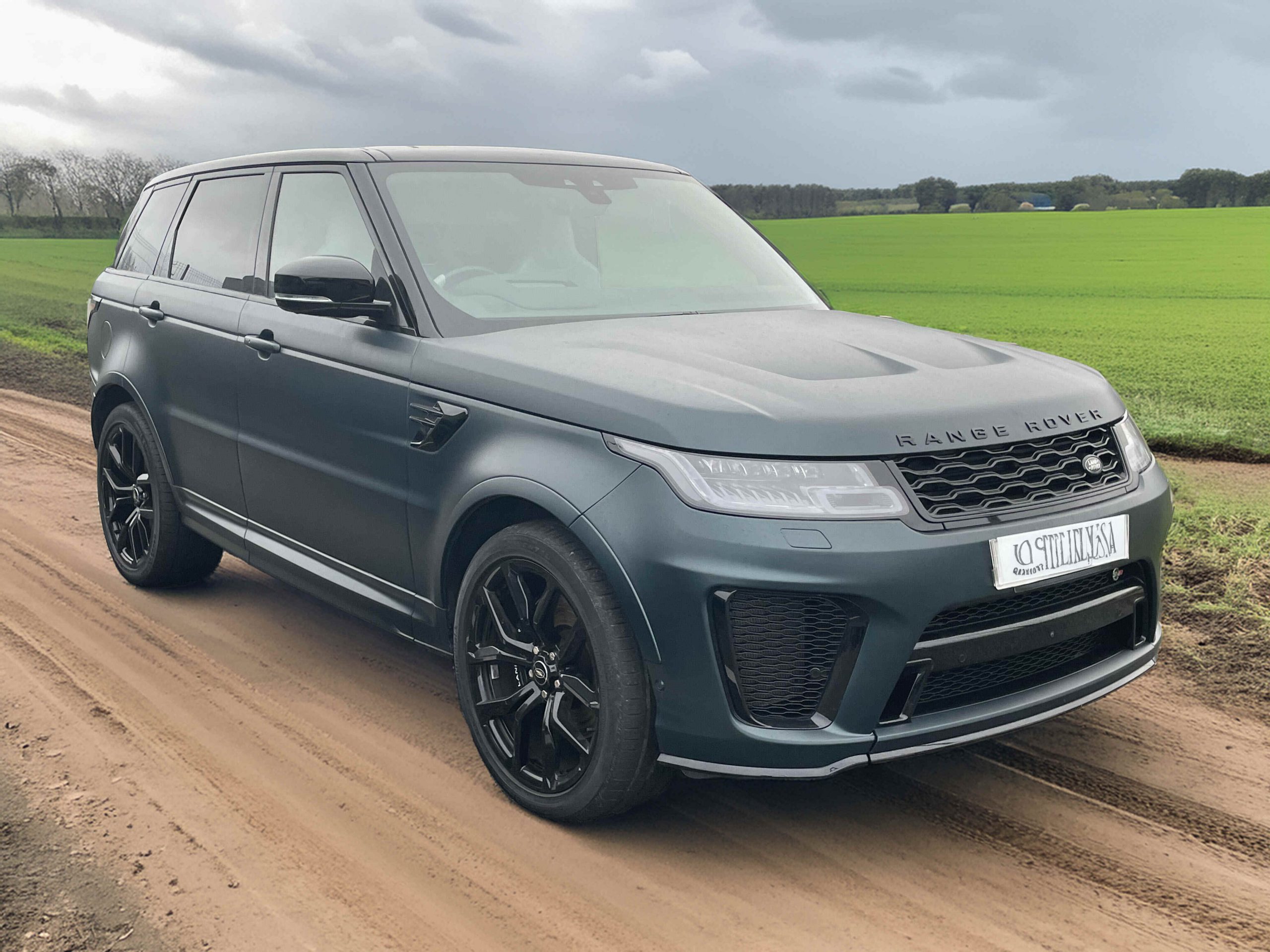
Range Rover Sport 2
2014 to 2022
Whereas the original Range Rover sport shared its underpinnings with the Discovery 3, the latest version was all Range Rover. With the same lighter weight architecture as its bigger brother and styling not dissimilar to the Evoque the second-generation Range Rover sport looked good and handled well.
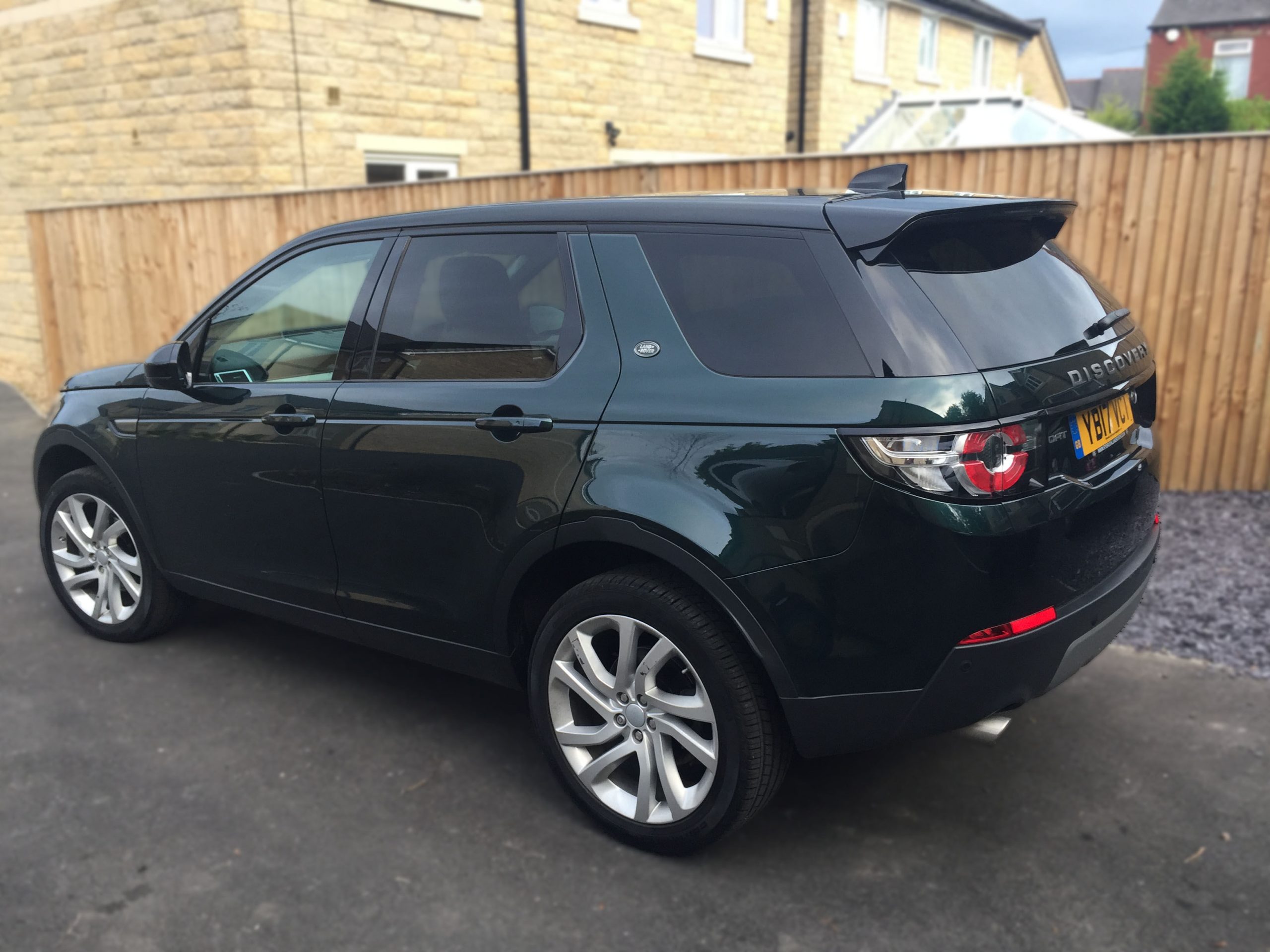
Discovery Sport
2014 to 2019
Instead of calling it a Freelander 3, the entry level Land Rover was named after the Discovery to create a family of vehicles similar to the Range Rover. Still a capable vehicle it was aimed squarely at the family market.
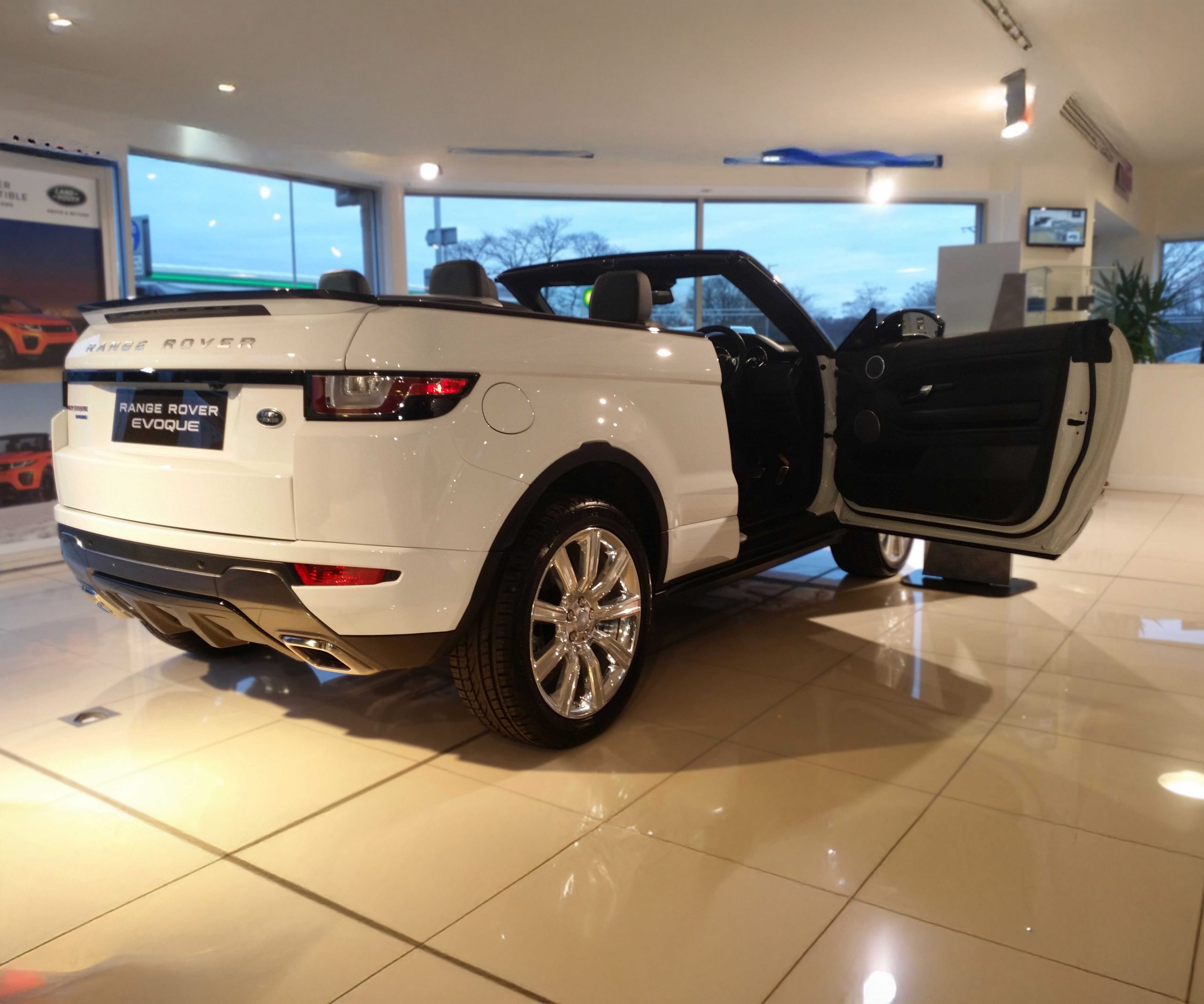
Range Rover Evoque Convertible
2015 to 2018
What could you do to make the already trendy Evoque appeal more to the fashionistas? Remove the roof! The body strengthening needed increased the weight and reduced the ground clearance but did the buyers really care?
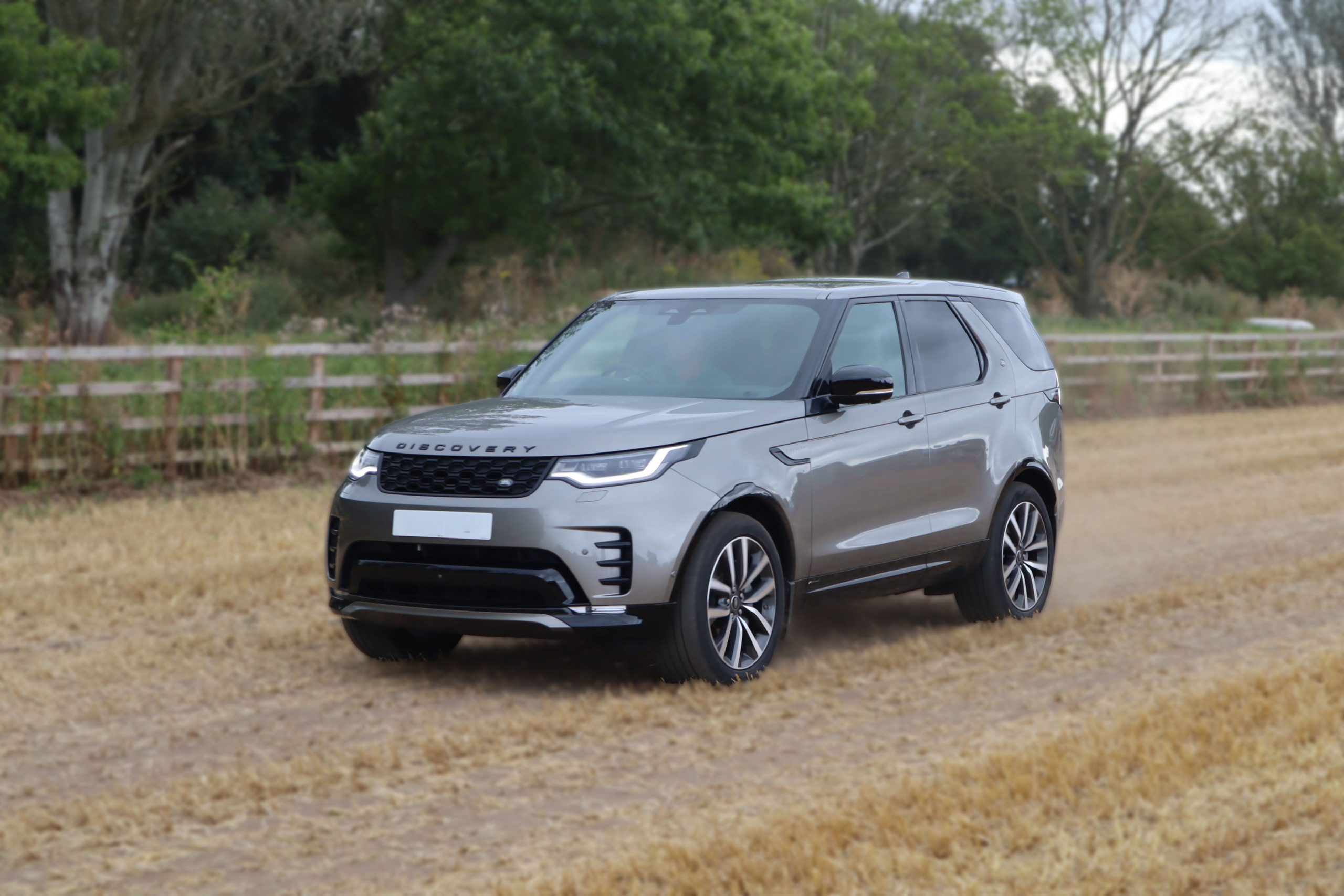
Discovery 5
2016 to Date
Based on the Vision concept vehicle the Discovery 5 (Now called just Discovery) was a full monocoque/. The stepped roof styling cues remained, as did the seven seats, but the other aspects of the styling proved a bit more controversial.
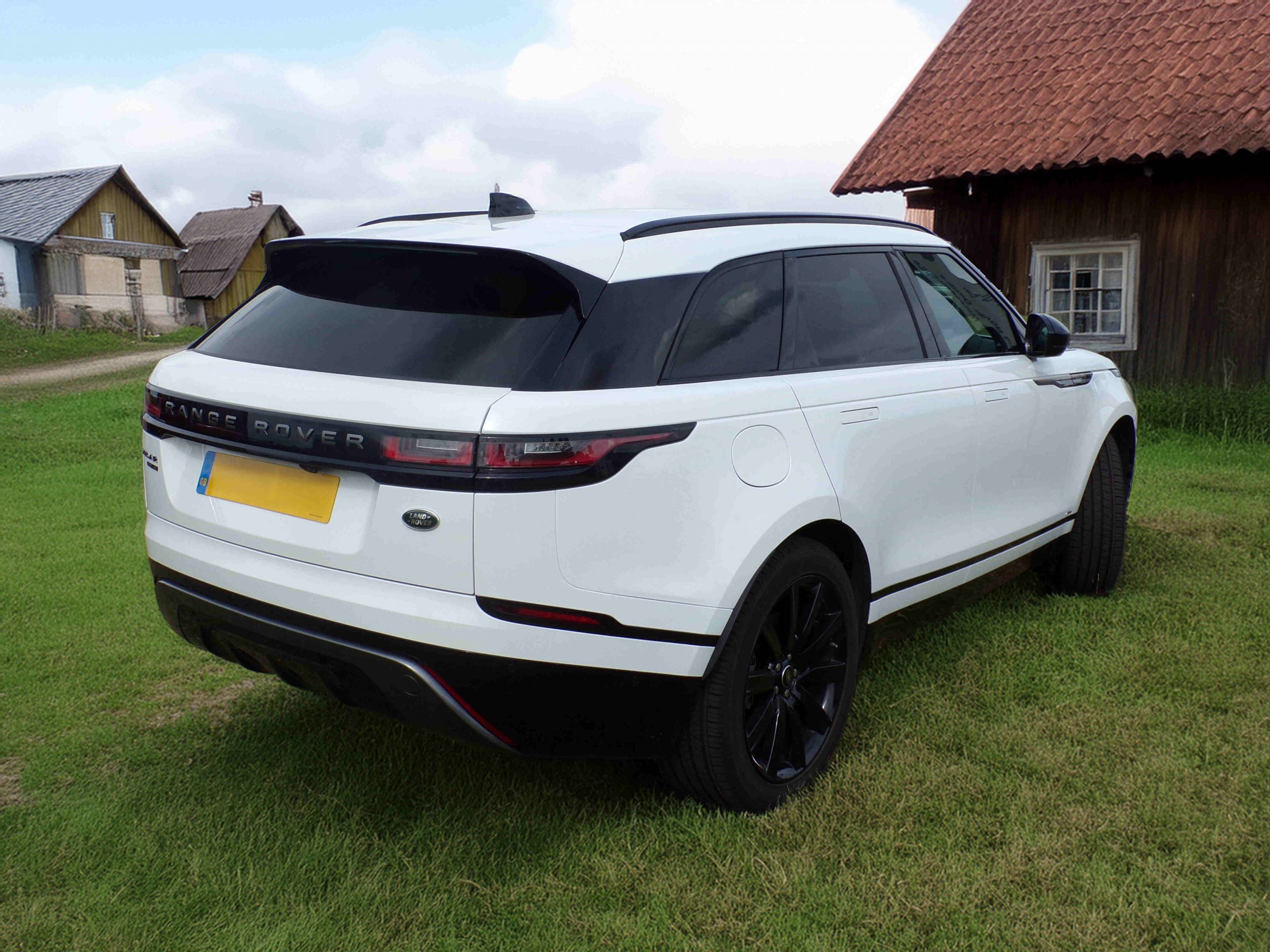
Range Rover Velar
2017 to Date
The fourth vehicle in the Range Rover family came in the shape of the Velar. Named after the original pre-production Range Rovers the Velar was based on the Jaguar F-Pace platform. Like the Evoque and Discovery Sports, the Velar didn’t have a low ratio transfer box.
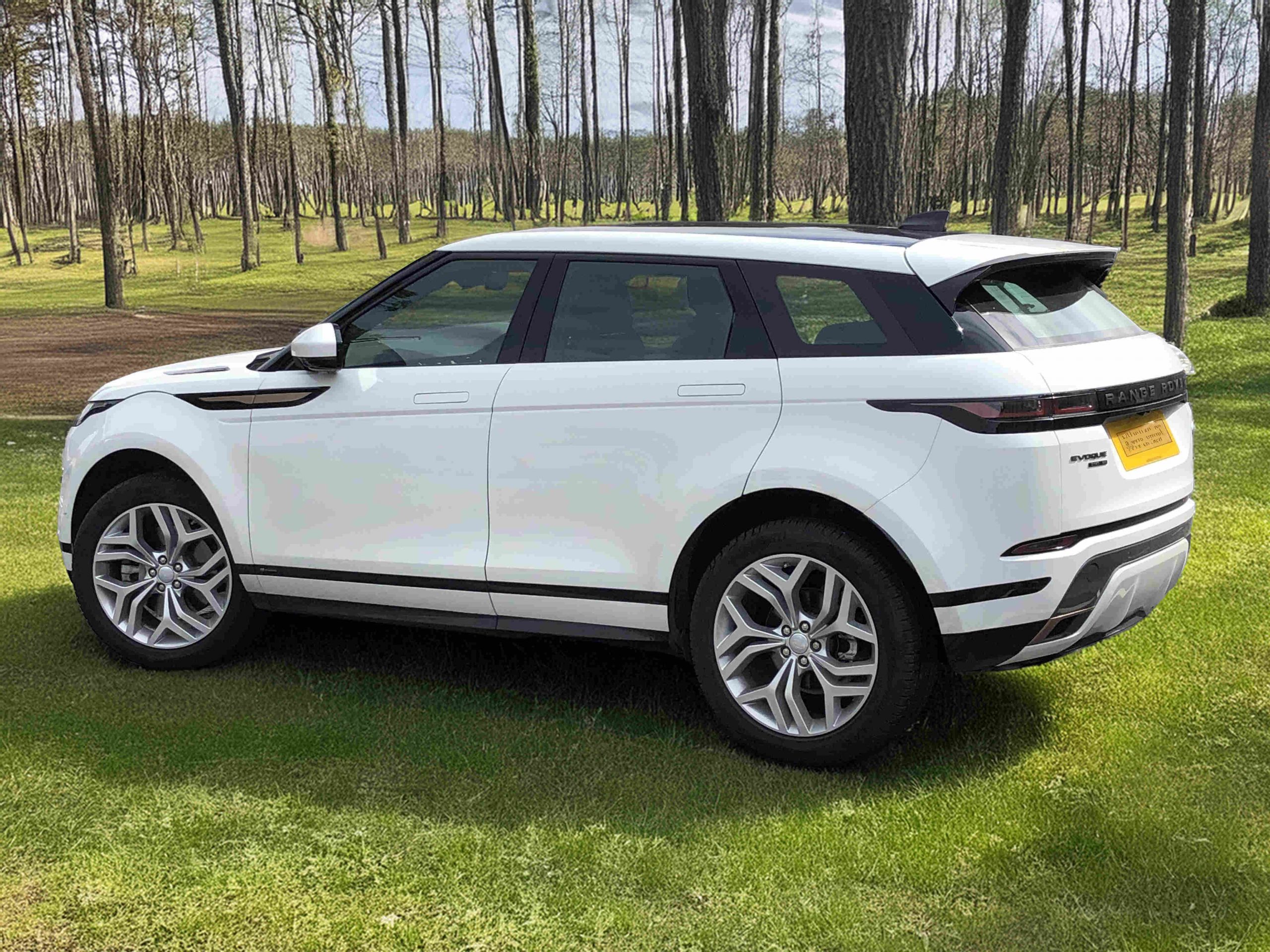
Range Rover Evoque 2
2018 to Date
After the sales success of the original Evoque Land Rover were keen not to alienate buyers with a radical make over, instead opting for a more modern version of what came before. Still a recognisable as a Range Rover Evoque the interior was in keeping with what the market would expect. Whereas the original Evoque could be had with 3 or 5 doors, this new version was 5 doors only.
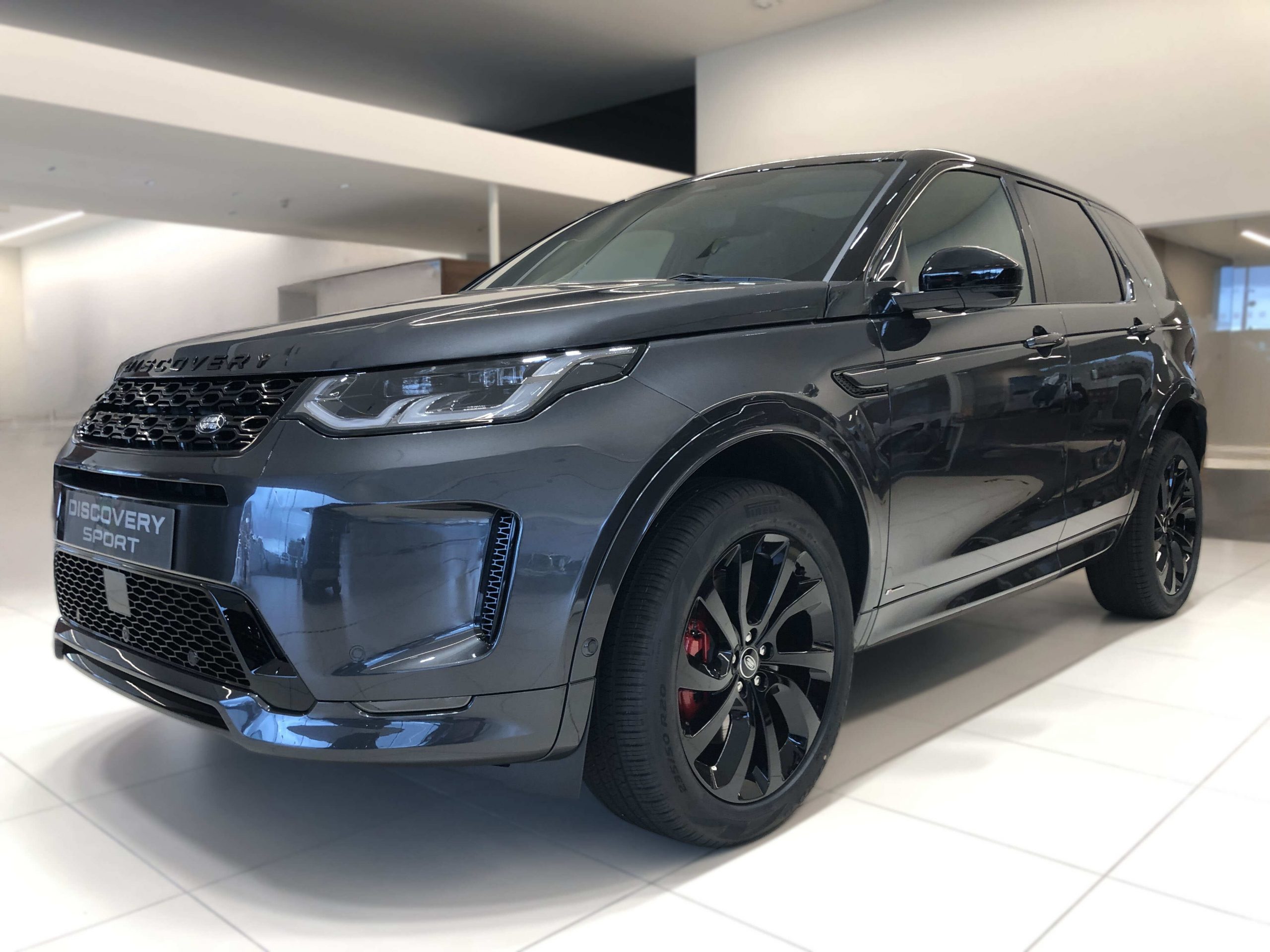
Discovery Sport 2
2019 to Date
When the second generation of the Discovery Sport was launched Land Rover kept the formula pretty much the same. Styling tweaks matched those of the larger Discovery to keep the family look. As before the Discovery Sport could be had with 5 + 2 seating adding to its perfect family vehicle credentials.
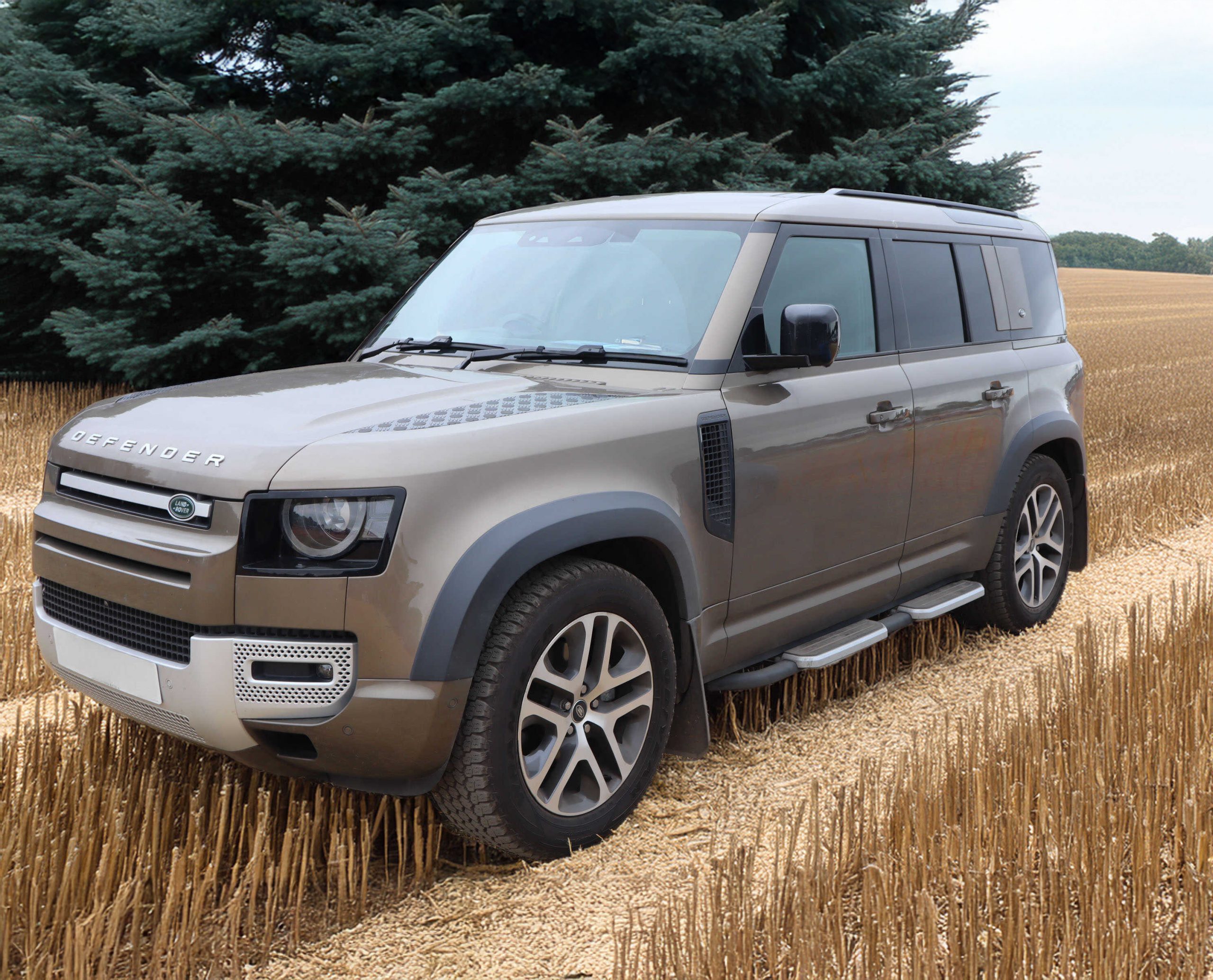
Defender 110
2020 to Date
The L663 Defender took the Defender brand into a new direction. Whilst it had styling ques to the previous Defender, it was not as utilitarian. A touch monocoque chassis and rugged looks gave the new Defender a purposeful stance. The interior was more functional than other Land Rover products but still had a quality feel to it.
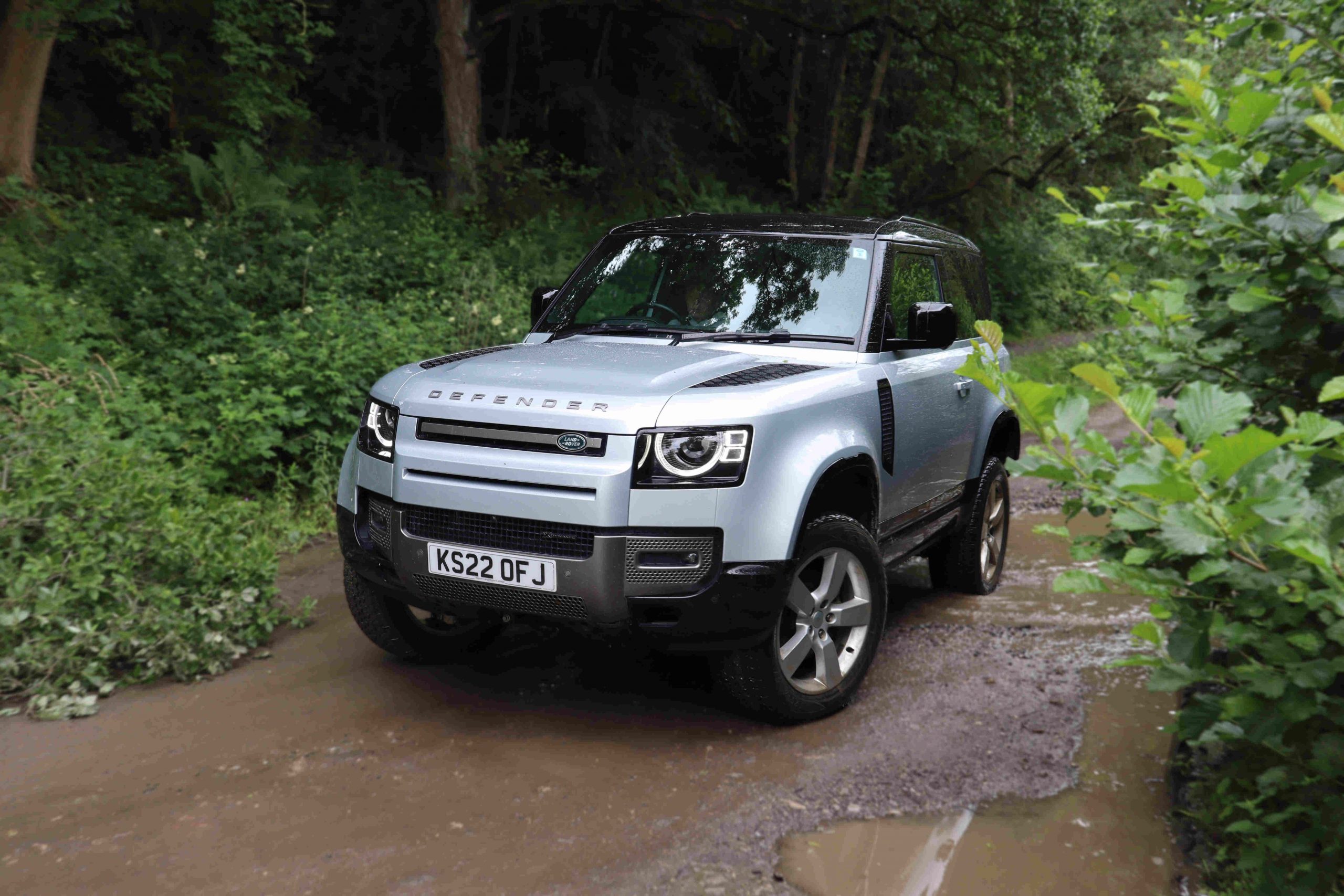
Defender 90
2020 to Date
Launched a short while after the 110, the 90 was a 3 door Defender whose wheelbase was actually 102”. Available with the same engine range as the 110, the rear seats were accessible via the front doors once the seats had been moved out of the way.
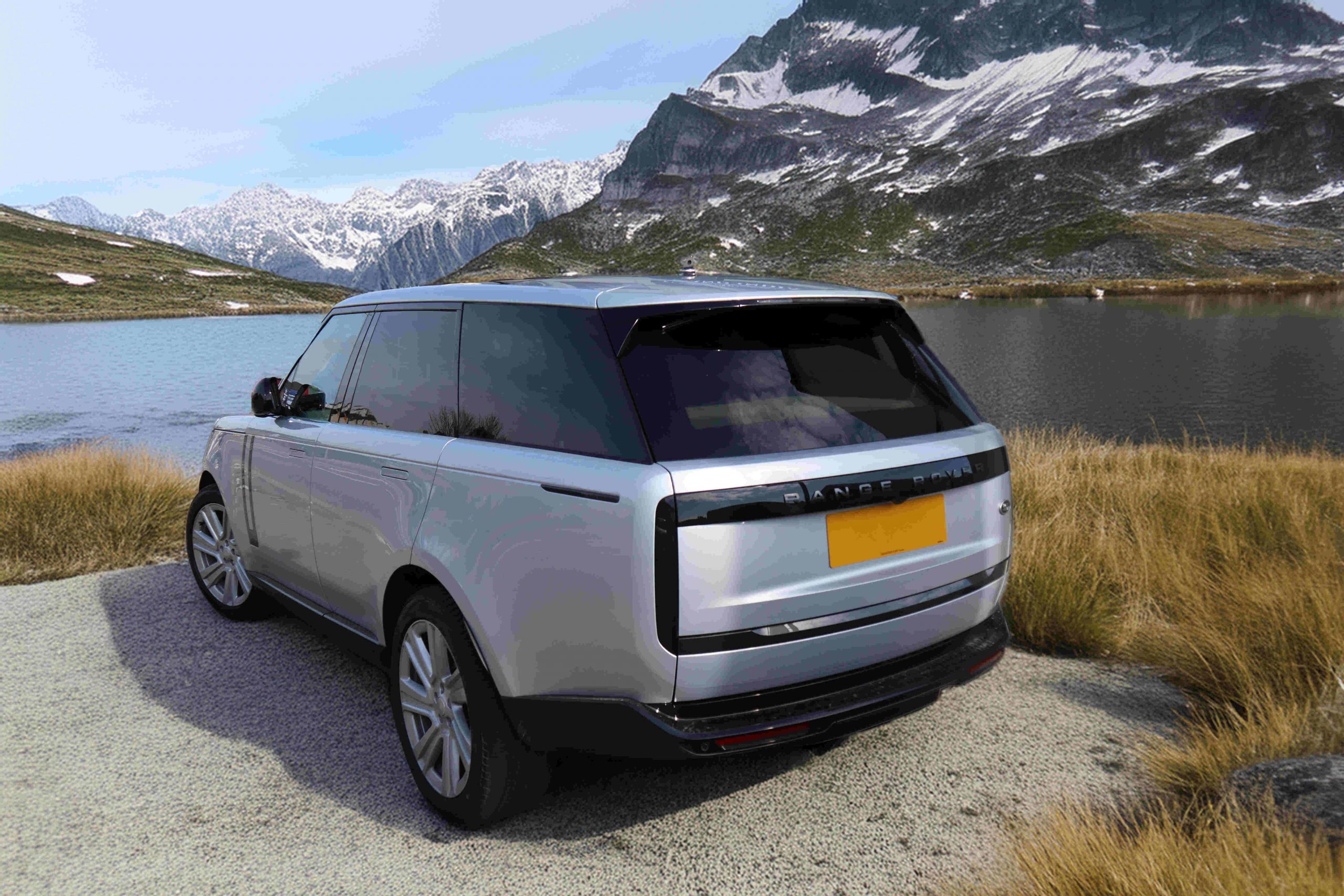
Range Rover L460
2021 to Date
The fifth generation Range Rover had a bold design to the rear with the rear lights incorporated into the black strips than ran down the rear wing. This gave a really sleek and modern look. With starting prices of £100K the Range Rover was now truly a top brand Luxury vehicle, and yet still able to perform off road as a Range Rover should.
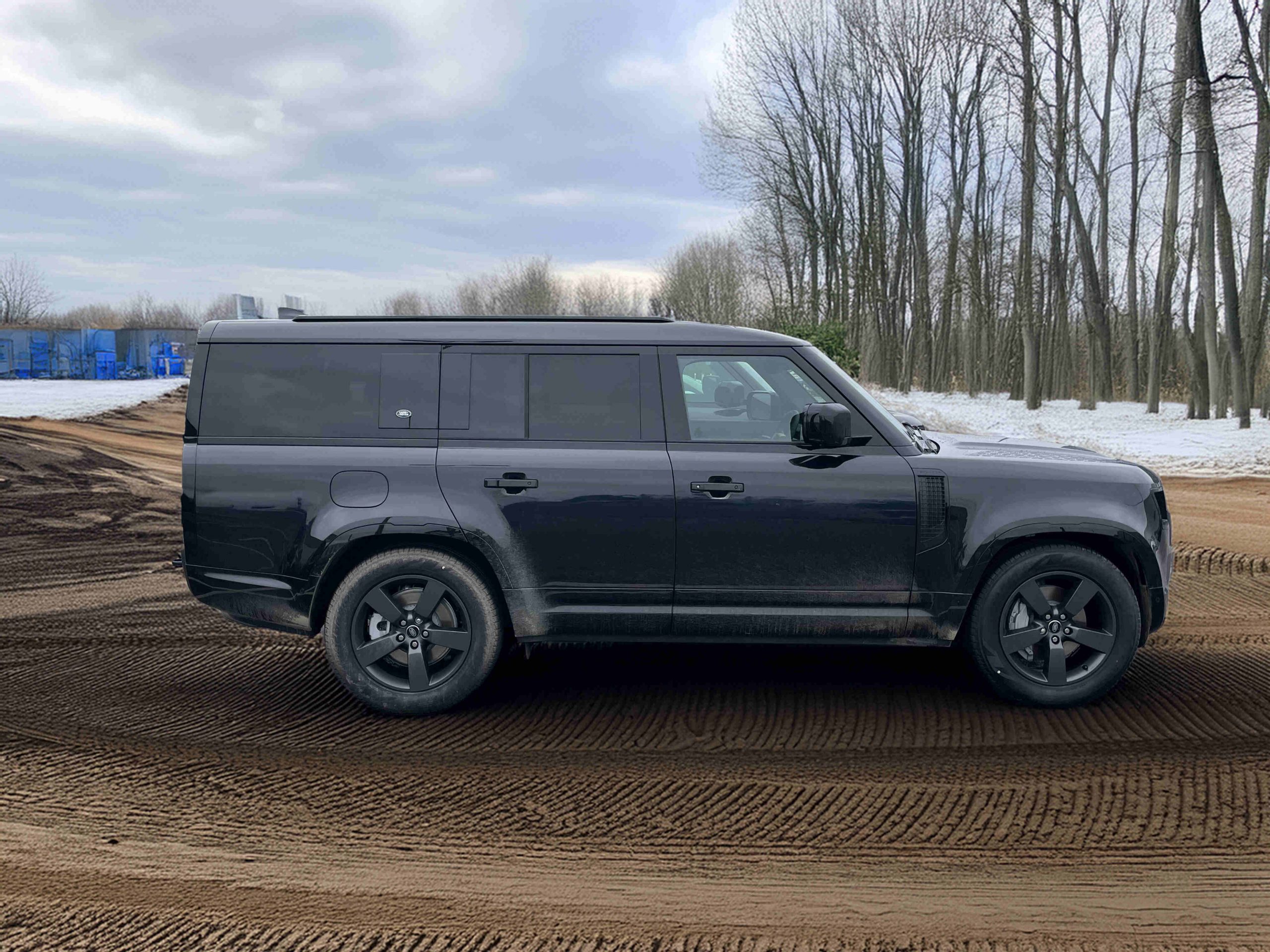
Defender 130
2022 to Date
With the same 120” Wheelbase as the 110, the 130 had a large rear overhang giving a huge rear area for storage or in most cases a pair of seats. The 130 could be had as a full 8-seater.
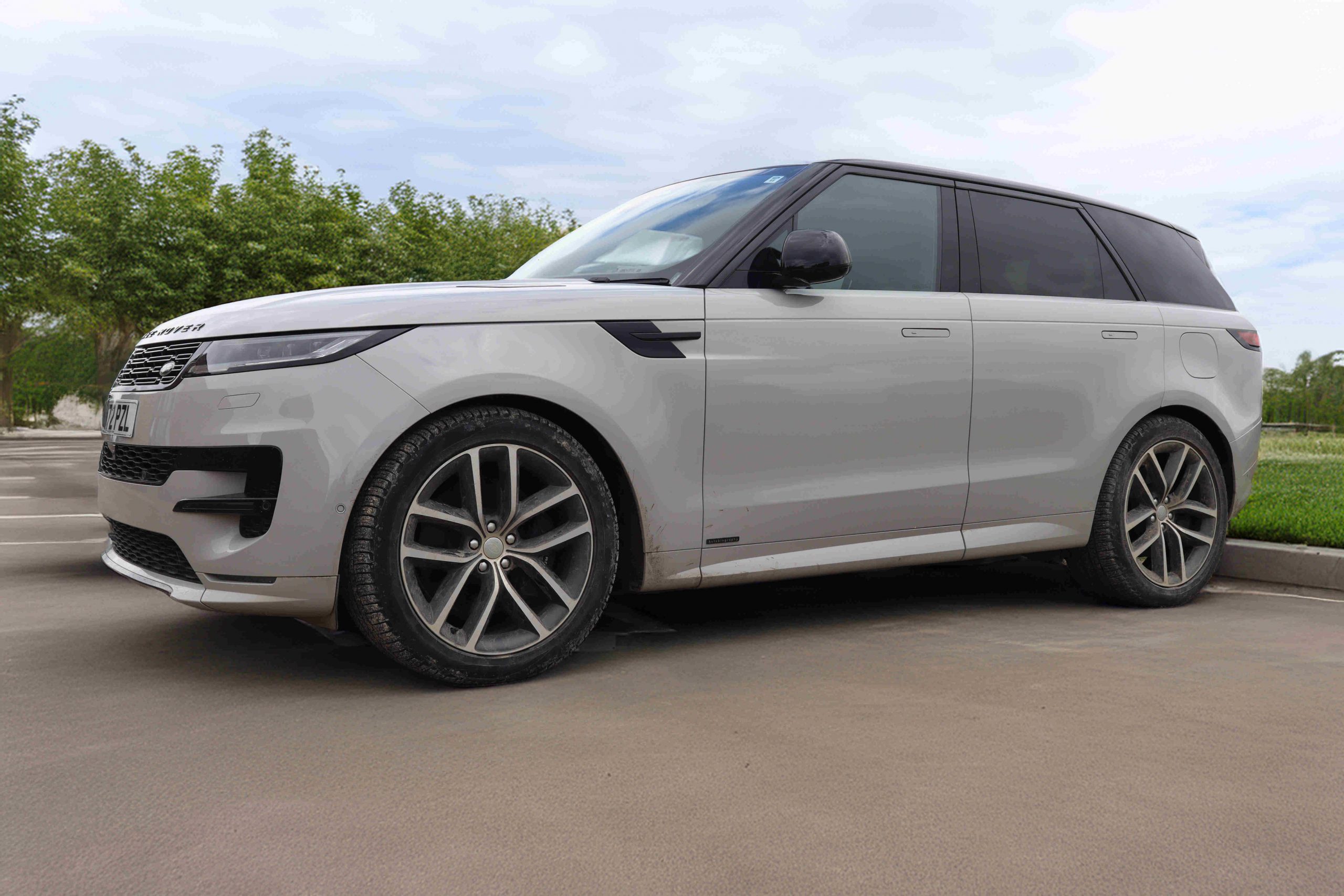
Range Rover Sport 3
2022 to Date
Similar to the previous Ranger Rover Sport this one shared its underpinnings with the full fat Range Rover. At the time of writing, no SVR had been announced, however the Range Rover Sport SV had. With a twin Turbo Charged V8 petrol engine, it could reach 60 mph in less than 4 seconds and top 180 mph, making it the fastest production vehicle Land Rover had ever made. To cope with this performance it was available with race car inspired carbon brake discs.
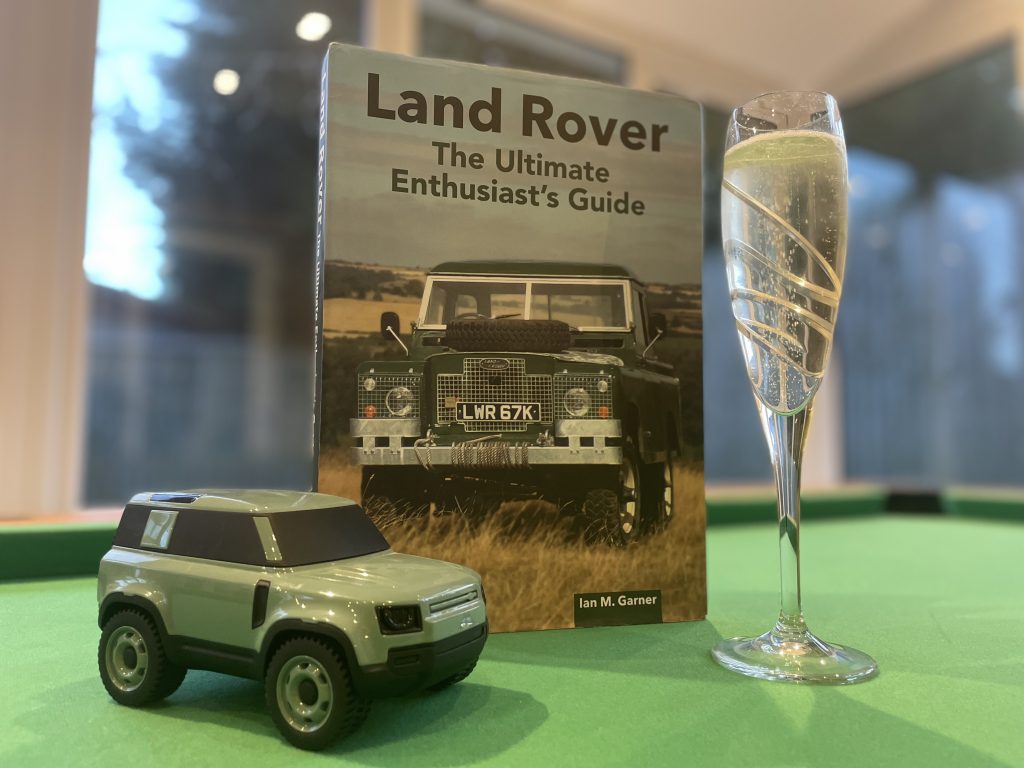
Want to know more about Land Rovers? Click the picture below and buy the book!